

Apollonia was built by the ancient Greeks around 600 BC as a trading center along the Vjosë River. Its location was strategic, linking the Adriatic coast with the interior and also serving as an overland link between the northern Adriatic and the Aegean Sea. And there’s something else the Greeks wanted: asphalt. Asphalt was the black gold of the ancient world, used for waterproofing both ships and buildings. It should be known that the Greeks didn’t discover the place; the Illyrians were here long before the Greeks. However, the two populations appear to have co-existed peacefully.
Apollonia became independent from Corinth for a while, later forming an alliance with the Roman Republic around 200 BC. Rome made Apollonia an important stop along the Via Egnata, their road connecting the Adriatic Sea to Byzantium (today called Istanbul). In his boyhood, the future emperor Augustus Caesar studied at Appolonia’s renowned school of Greek philosophy, rhetoric and military training. He abruptly quit school when he heard of his great-uncle Julius’ death.
The city flourished until the 3rd century AD, when an earthquake changed the course of the River Aoös. The harbor silted up and the area around it became a malaria-ridden swamp. By the 4th century AD, the city had to be abandoned. Vlora rose instead.
The ruins show both Greek and Roman architecture and art. Artifacts have been found on its site that have their origins in farflung locations, a legacy of the city’s trading past.
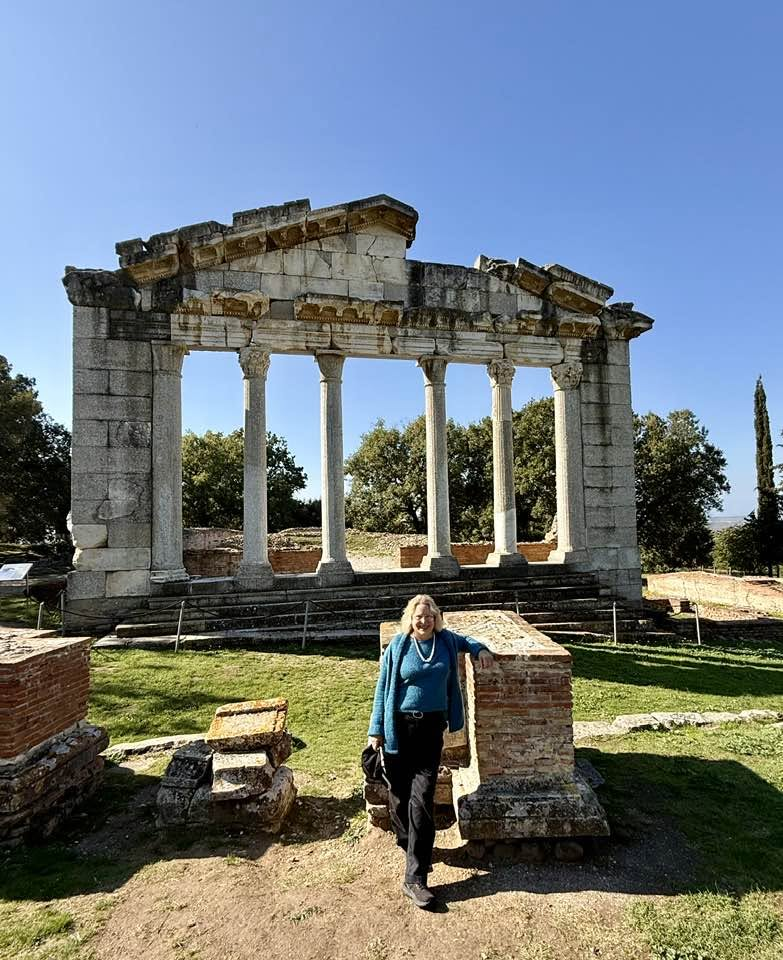
The Monument of Agnothetes was built in the 2nd century AD. It was the municipal council building during the Roman era.
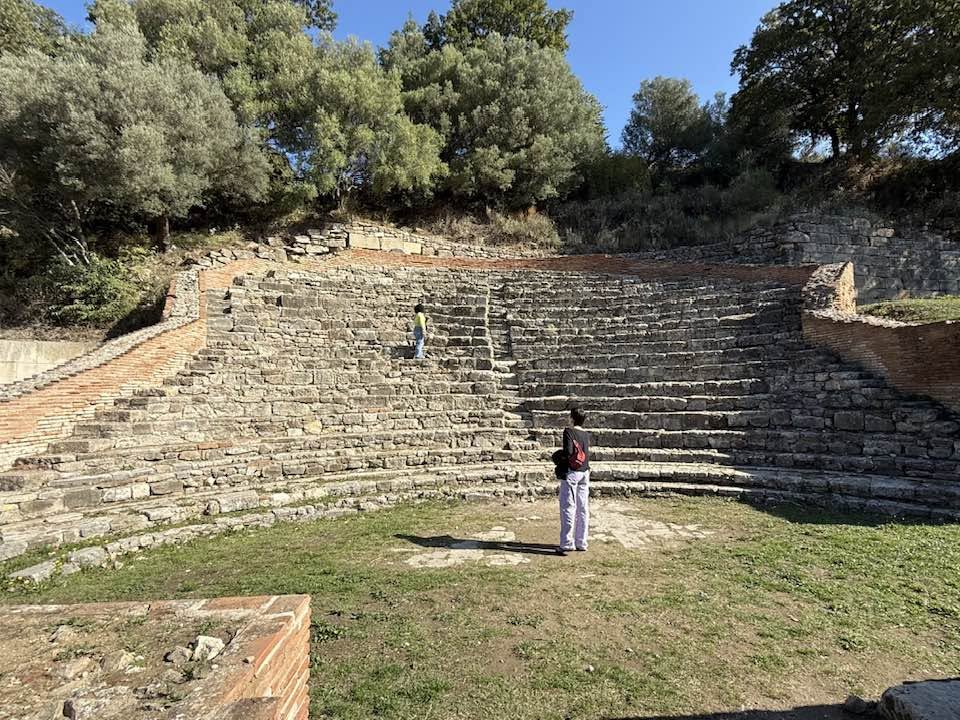
The ancient Greek theatre.
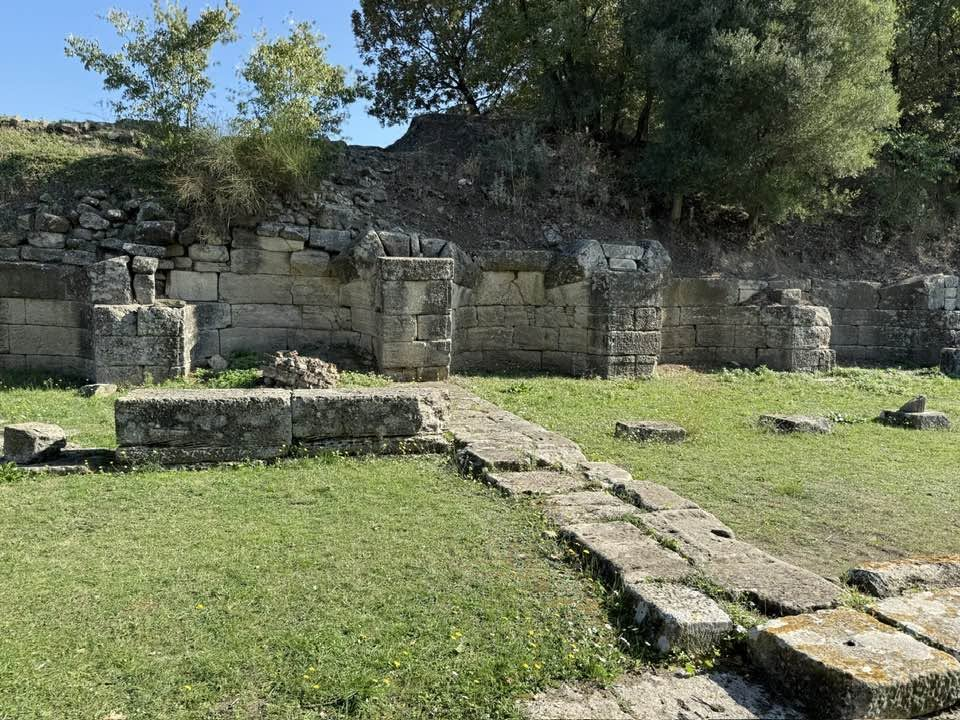
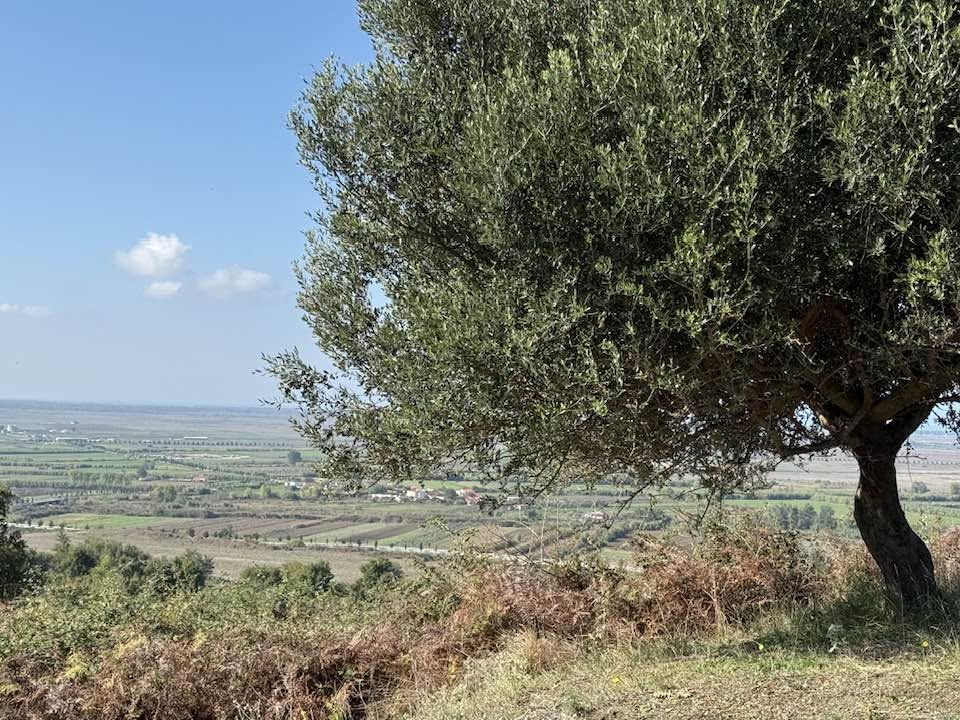
An olive tree overlooks tranquil farmland below.
Apollonia is approximately 35km north of the modern-day city of Vlora and 87km south of Durres. It is nearby the village of Pojan. Entrance to the archeological park costs 300 ALL (approximately 3 euros). It is open from 9:00am daily to just before sunset. There is an archeological museum on the grounds which closes for lunch from noon until 2:00pm. The site is typically very quiet, away from the bustling tourist crowds.