

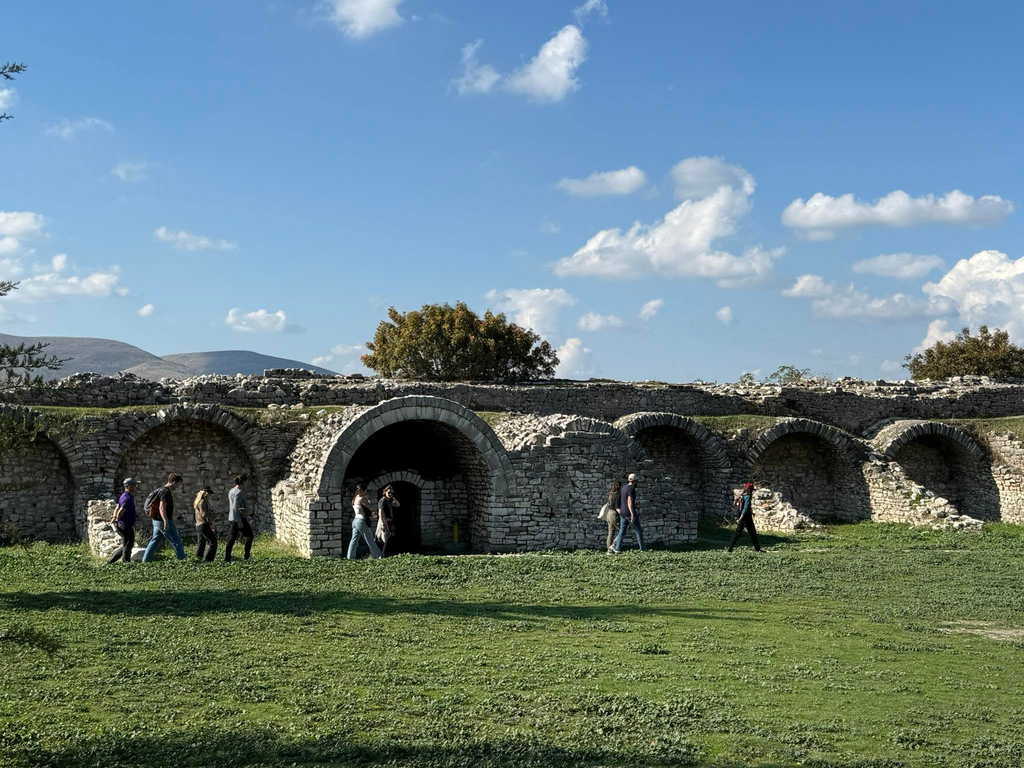
Although there has been a fortress on this site overlooking the Osum River since the 4th century BC, most of what we see today was built in the 13th century AD. You can easily fit the inhabitants of the entire city within Berat Castle’s protective walls; it once housed about 10-20 Orthodox churches (sources vary in their estimates) and one or two mosques in addition to residential quarters, shops, and the military defenses.
Nowadays, there are some partially ruined churches with badly faded frescoes, the remains of the mosque’s foundation and a bit of minaret, lots of shops selling tourist merchandise, and several restaurants. Unlike most old stone fortresses, this is still a living castle. Approximately 200 people still live in many of the buildings lining those cobblestoned streets. Berat Castle stands some 700 feet above the modern city of Berat. It’s been a UNESCO World Heritage Site since 2008.
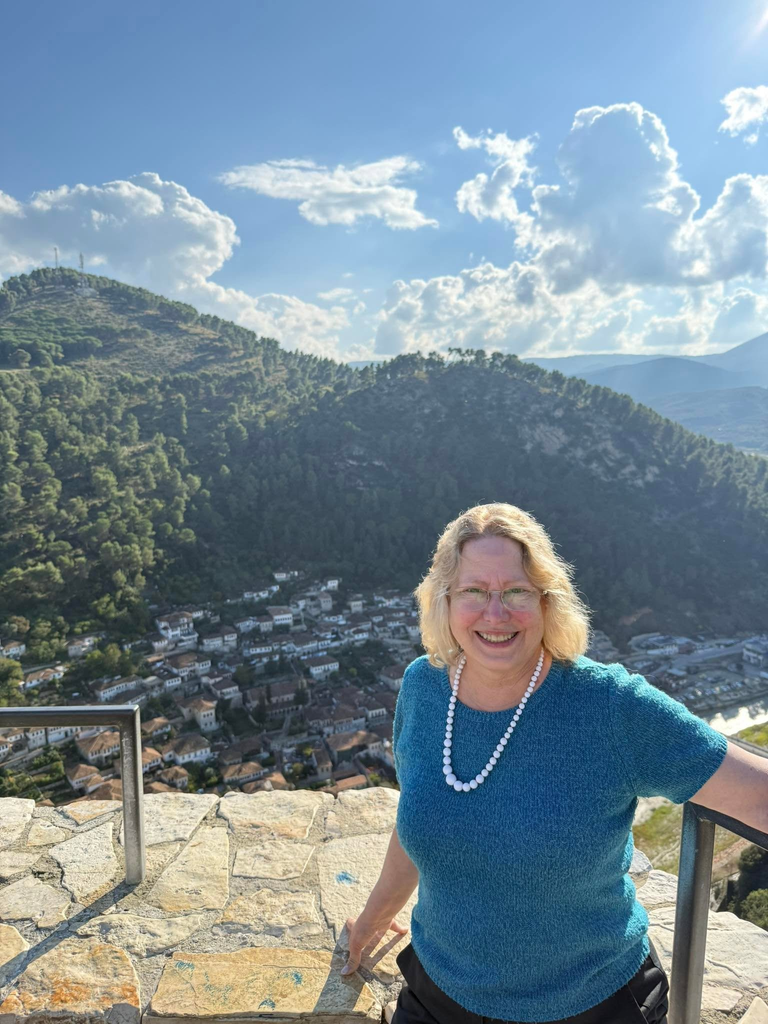
Overlooking the city of Berat from the castle’s ramparts.
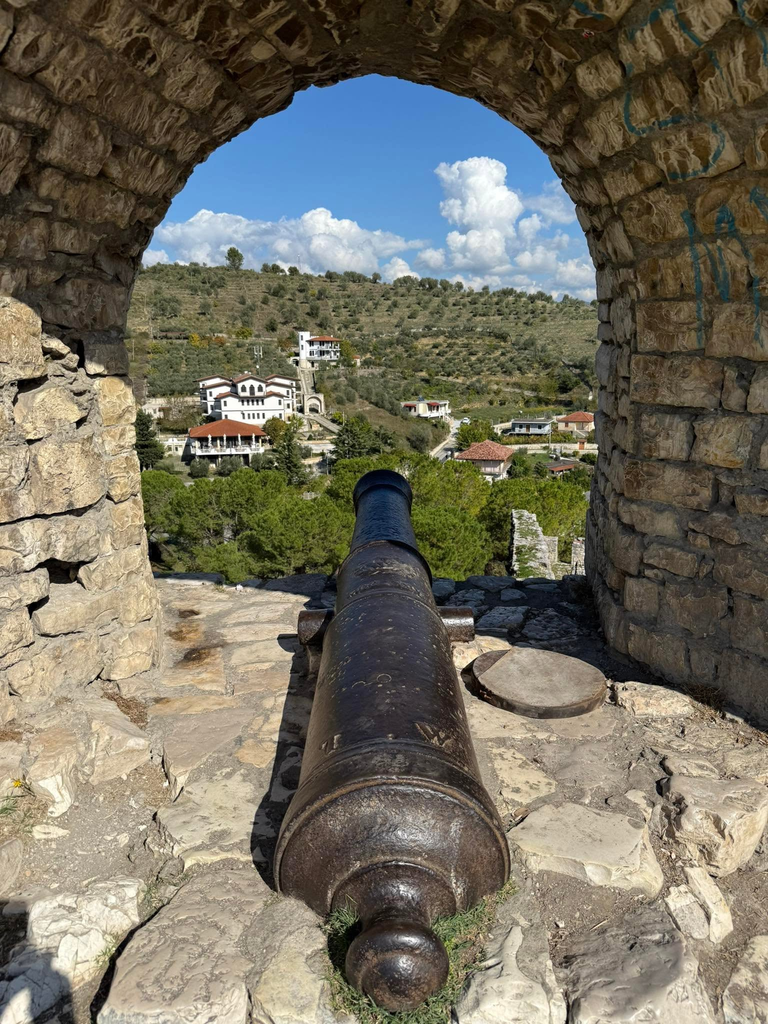
Cannon defenses.
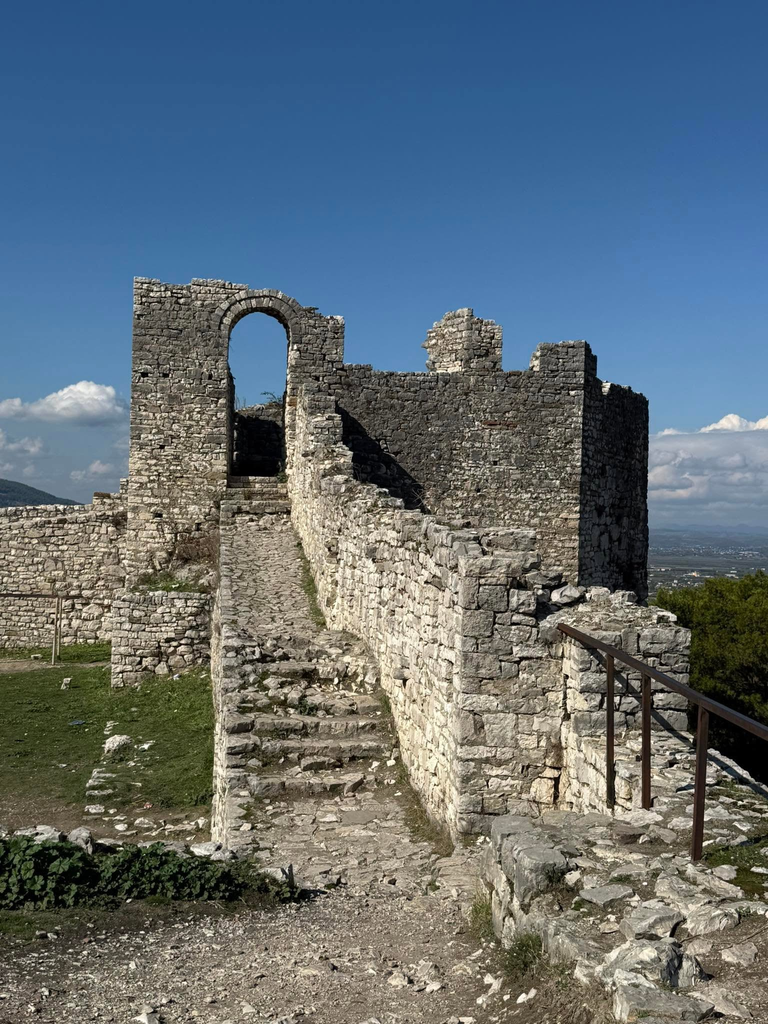
Magnificent stone walls. You can climb those steps for great views over the surrounding area.
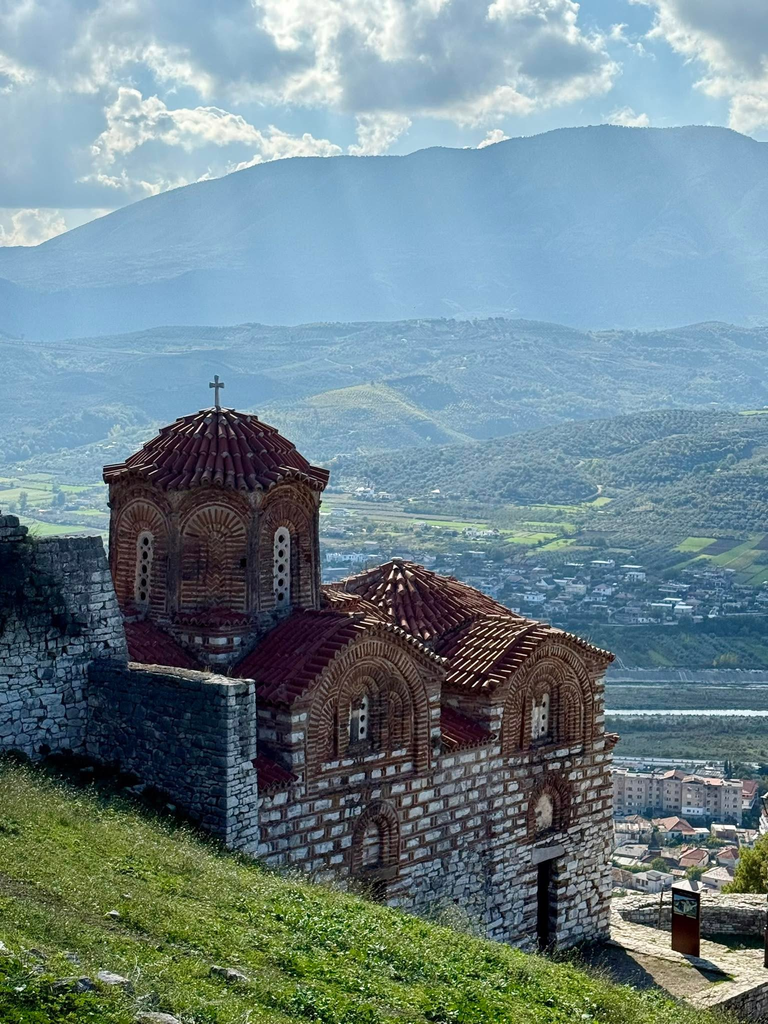
Holy Trinity Church within the grounds of the castle.
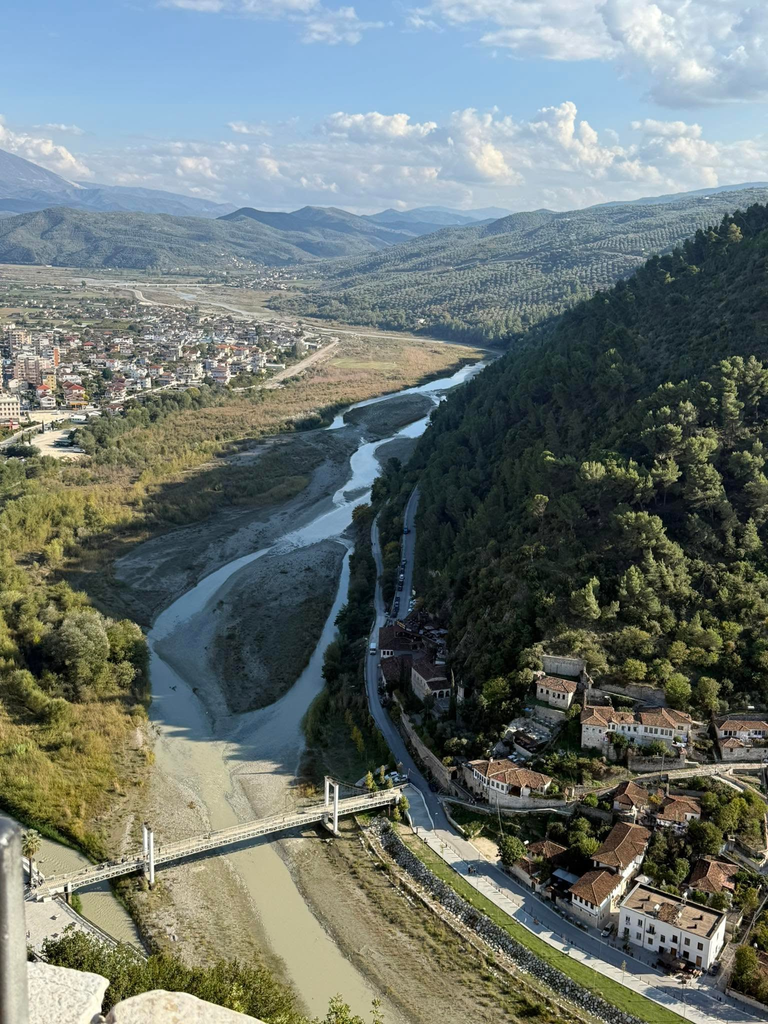
Beautiful views from the castle to the town below.
Berat is roughly a two hour drive south of Tirana. A local taxi (not private cars) can take you to the castle gates, but there’s still a somewhat steep climb up cobblestoned streets to view most of the castle grounds. Entry to the castle is free, although the Onufri National Museum, located within the Cathedral of the Dormition of St. Mary requires a modest 300 ALL entry fee (roughly 3 euros). The Onufri Museum offers Byzantine icons and paintings by Onufri, who is an icon painter famous for his use of vibrant red.
The castle is open from 9:00am to 6:00pm daily.