

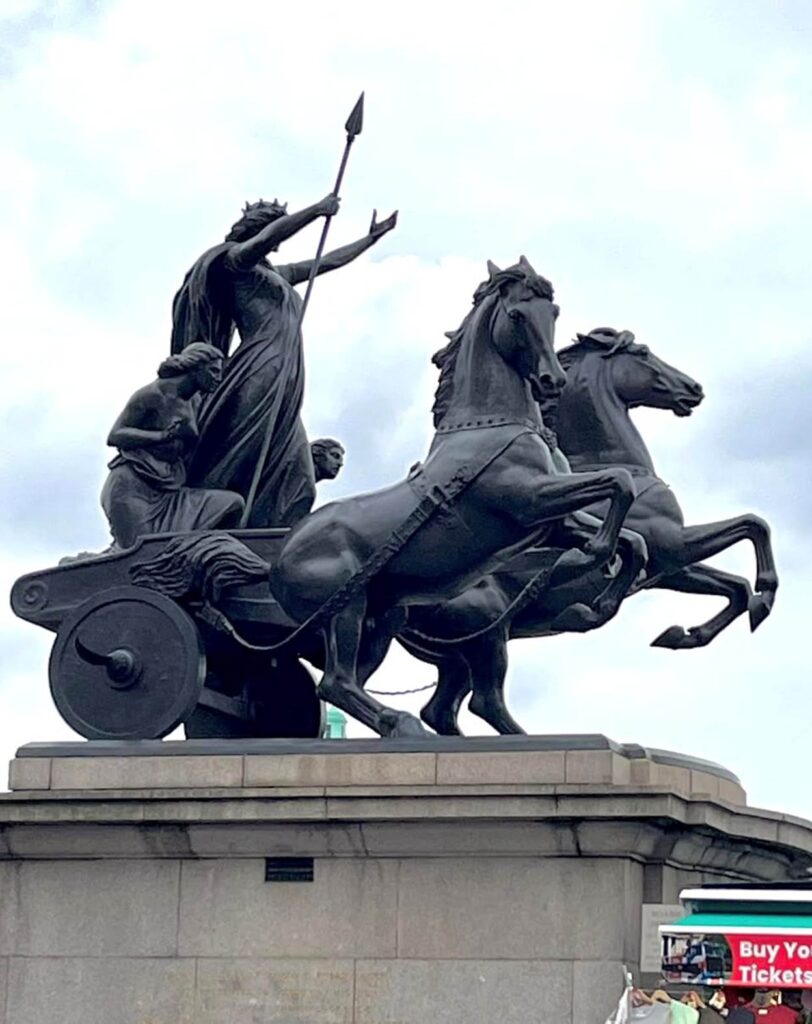
I thought I’d write about the history behind “Boadicea and Her Daughters”, a statue on the River Thames where it meets the Westminster Bridge. This was supposed to be a quickie, something I could write swiftly. Oops! I was wrong.
Boadicea was a real historical figure, Queen of the Iceni people during the time period when Rome was expanding its Empire into the island of Britain. The Iceni once occupied Norfolk and northwest Suffolk.
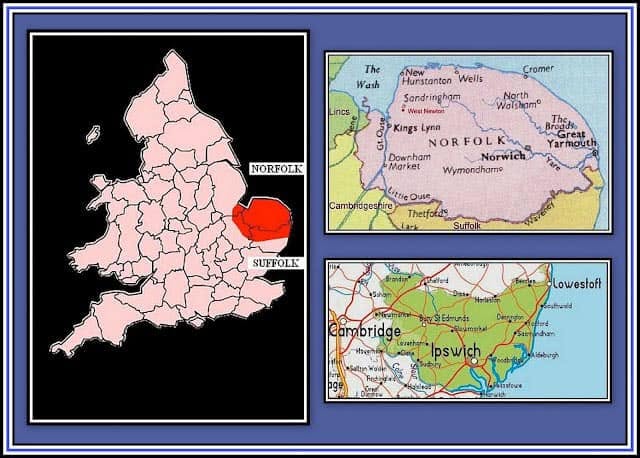
These tribal lands and people were not initially part of the Roman Empire, but voluntarily joined after Emperor Claudius’ conquests on the island in 43 AD. Queen Boadicea’s husband was King Prasutagus, who was granted client-king status by the Empire; the Iceni were considered allies of Rome. In an attempt to maintain his dynasty, Prasutagus made the Empire co-heirs to the Iceni tribal lands, along with his wife and daughters.
That strategem didn’t work. Rome allowed its allied kingdoms independence during the lifetime of their client kings, but once the client king died, his kingdom would be absorbed into the Empire. After Prasutagus died in 60 AD, that’s exactly what happened. Roman law didn’t allow inheritance to pass on to a woman, anyhow. His people were treated as if they had been conquered, lands and property were taken by the Empire, and the people treated as slaves. According to the historian Tacitus, when Boadicea complained, she was flogged and her two daughters were raped. She was righteously pi**ed.
Boadicea rebelled against Rome. Together with the neighboring tribe of Trinovantes, they destroyed Camulodanum (near present-day Colchester), including a temple to the Emperor Claudius. She and her followers went on to plunder Verulamium (St. Albans) and Londinium (London).
The Roman Governor, Suetonius Paulinius, heard about the rebellion and made his way to Londinium, but quickly realized that his modest forces were badly outnumbered. He abandoned the town (London was only about 17 years old at this point) to regroup and try again under more favorable conditions.
While Boadicea was busy in Verulamium, Paulinius put together a force of 10,000 men and chose a militarily advantageous spot to meet the rebels, in a defile (a narrow passage between cliffs) near present-day Leicestershire. Boadicea allegedly commanded 200,000 followers, but the Romans had better equipment, were more disciplined, and the location of the battle in the defile whittled down Boadicea’s numerical advantage.
Boadicea lost that battle. It is unknown whether she died of self-inflicted poison or of wounds from the battle. Boadicea almost faded from history, but Tacitus’ writings were rediscovered during the Renaissance. It wouldn’t be until many centuries later, during the reign of Queen Victoria in the late 1800s, that Boadicea became the stuff of legend. Prince Albert commissioned Thomas Thornycroft to produce the statue we see today, although it wasn’t cast in bronze until 1902, long after Prince Albert’s and Thornycroft’s deaths. Thus, Boadicea became synonymous with British pride and rebellion against Rome.
Just as a footnote: Boadicea was likely not the Queen’s name in real life. Boadicea means “victory” and was more likely a description of this “Warrior Queen”.
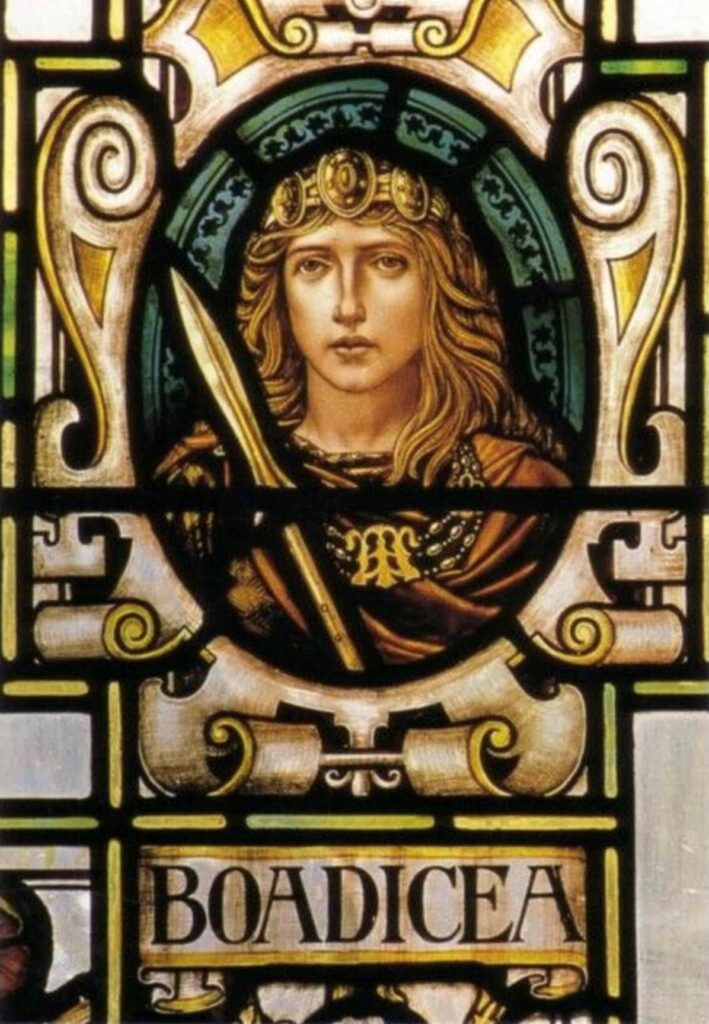
Two of the photos show the statue, the third is of a stained glass window dedicated to her in Colchester. I know I’m getting ahead of myself since I haven’t been to Colchester yet, but I thought it would have more impact if they were all together.
July 24, 2023