

The Musical Instruments Museum in Brussels was terrific. They give you an audioguide which allows you to punch in the numbers associated with the various instruments and hear how they sound. They don’t have recordings for each and every instrument in the museum, so sometimes I had to wonder why I could listen to way more bagpipes and accordians than I wanted to but not some of the cool-looking unusual instruments from China or Africa. Quibbles aside, this place was great. Here are a few examples:
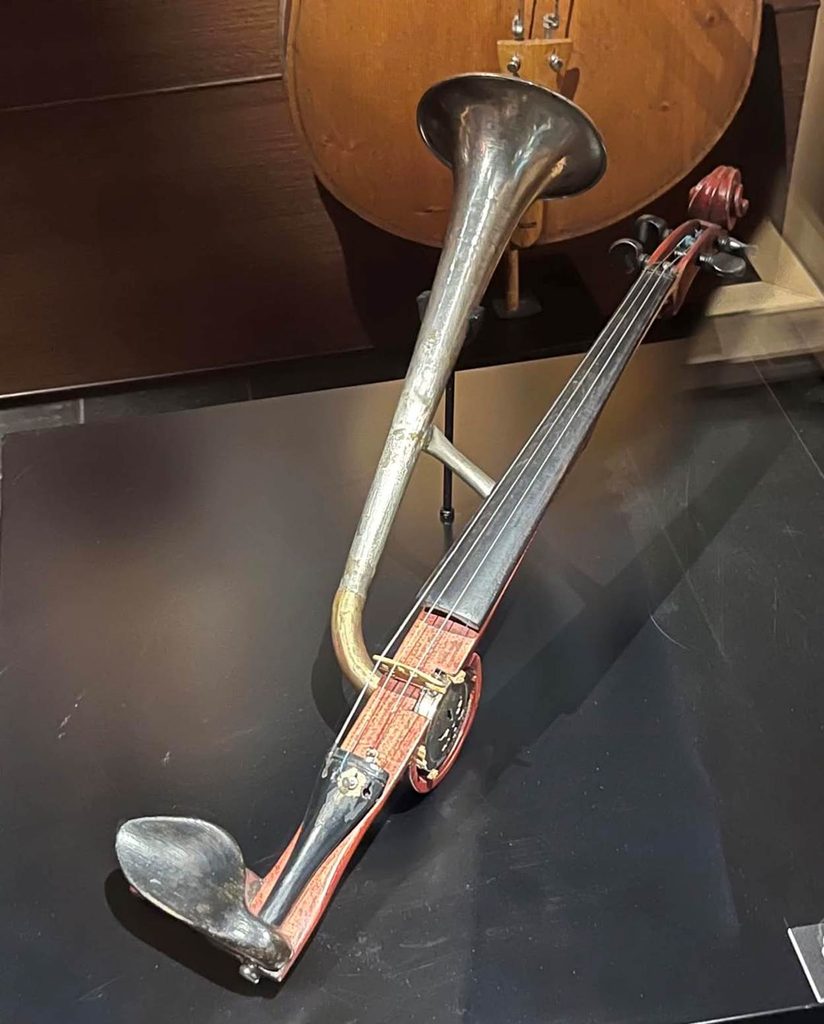
This instrument is called a higheghe and looks like a combination of a stringed instrument with a trombone horn attached. It comes from Romania. This YouTube video gives you an idea of its sound:
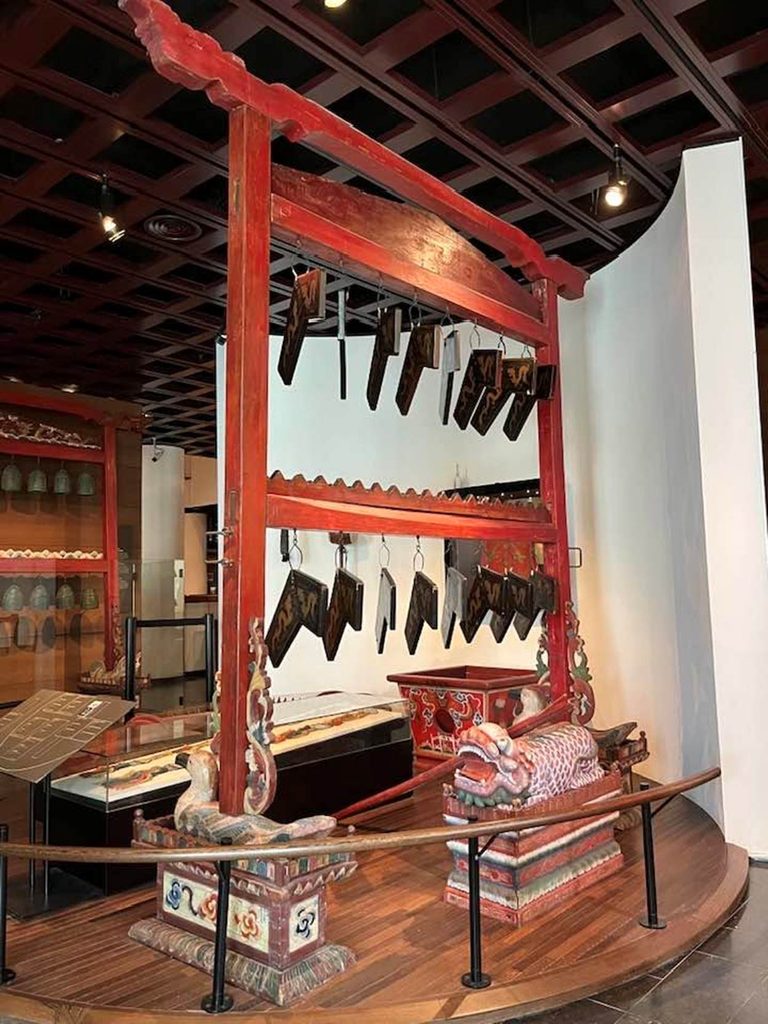
Here’s another one from the Musical Instruments Museum. It’s called the bianqing. Although this Chinese instrument is percussion and tapped with a mallet, the sound selection they played made me swear I was hearing a stringed instrument. The chimes are L-shaped stones and each stone has a dragon on it, which symbolizes the emperor. The bianqing has been part of Chinese musical culture for more than 5,000 years.
This YouTube video gives you an idea of its sound.
Ancient percussion instrument in central China
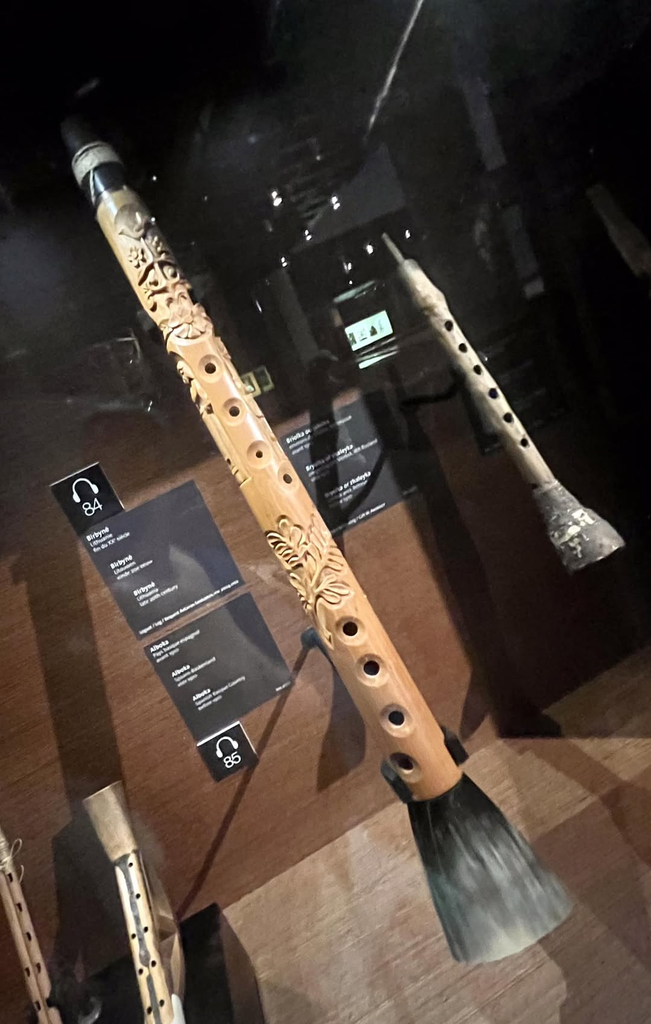
This is a birbyne, a Lithuanian folk instrument that’s a cousin to the clarinet. It has a rather pleasing sound, which can be heard in the video below.
Lithuanian folk instrument Birbyne, Baltic Vikings, Calm Music, Folk Music, Saulius Petreikis
The Musical Instruments Museum is located at Rue Montagne de la Cour 2 in Brussels. It is open from 10:00am to 5:00pm on Saturdays and Sundays, and from 9:30am to 5:00pm on Tuesdays through Fridays. Admission is 18€ for adults and 14€ for seniors.