

OK, I know I’m a geek, but I absolutely love the National Archives. Just about any way that an individual can interact with the federal government is in their records somewhere. And the sheer variety … Presidential memos (like the one from the Secretary of War to newly-inaugurated Harry Truman, asking him to meet regarding a top secret project; or the one from NASA to President Johnson in 1965 stating that they felt a spacewalk has been tested and would be safe), Homestead Act deeds, the Certificate of Gift from France which accompanied the Statue of Liberty, Rosa Parks’ arrest report, military recruiting posters, wax cylinder sound recordings of President Theodore Roosevelt, photographs, etc. That doesn’t even include the Big Three — the Declaration of Independence, the U.S. Constitution, and the Bill of Rights – which are displayed in the Archives’ always-crowded rotunda room. While I was there on Friday, the Archives had a special exhibit on “Spirited America”, focusing primarily on Prohibition and its repeal (BTW, Americans drank the most liquor in the 1830s – an average of 7.1 gallons per person per year. Today’s Americans are lightweights in contrast; we only drink 2.3 gallons apiece now).
Photography isn’t allowed in most of the Museum. But the National Archives has a research room where photography is allowed. I opened the Cailfornia box and captured a few representative samples of what’s available.
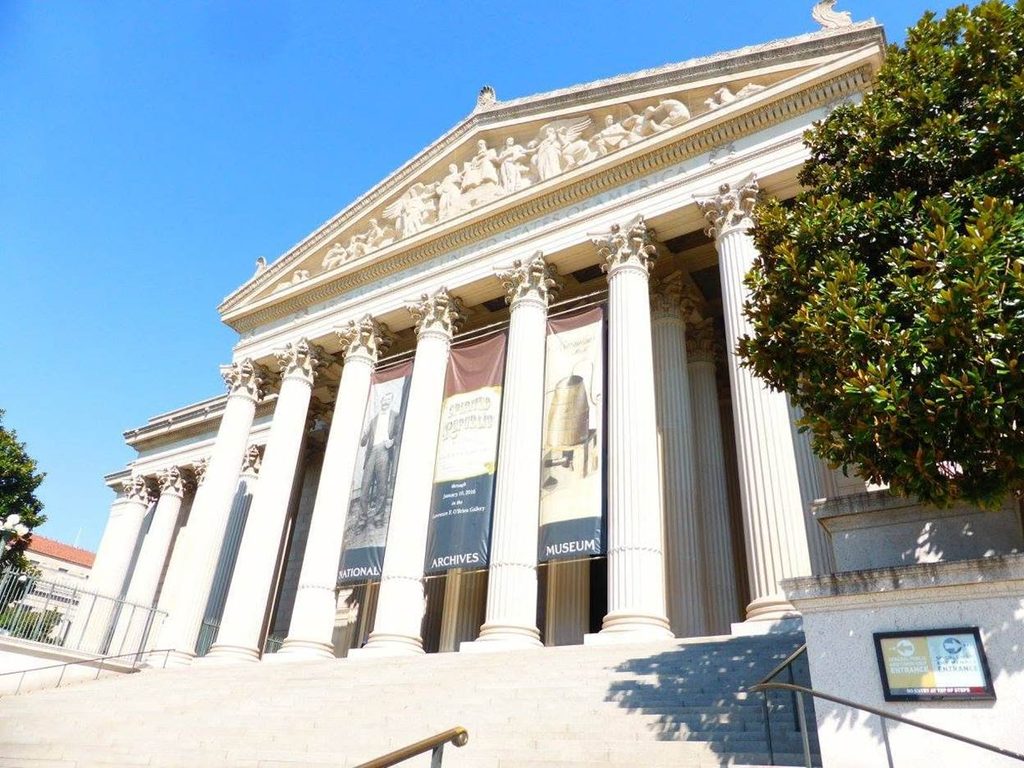
I remember a patriotic young man telling me that he could just stand in the National Archive’s rotunda and admire the Declaration of Independence, the US Constitution, and the Bill of Rights all day. These and so much more are held by the National Archives.
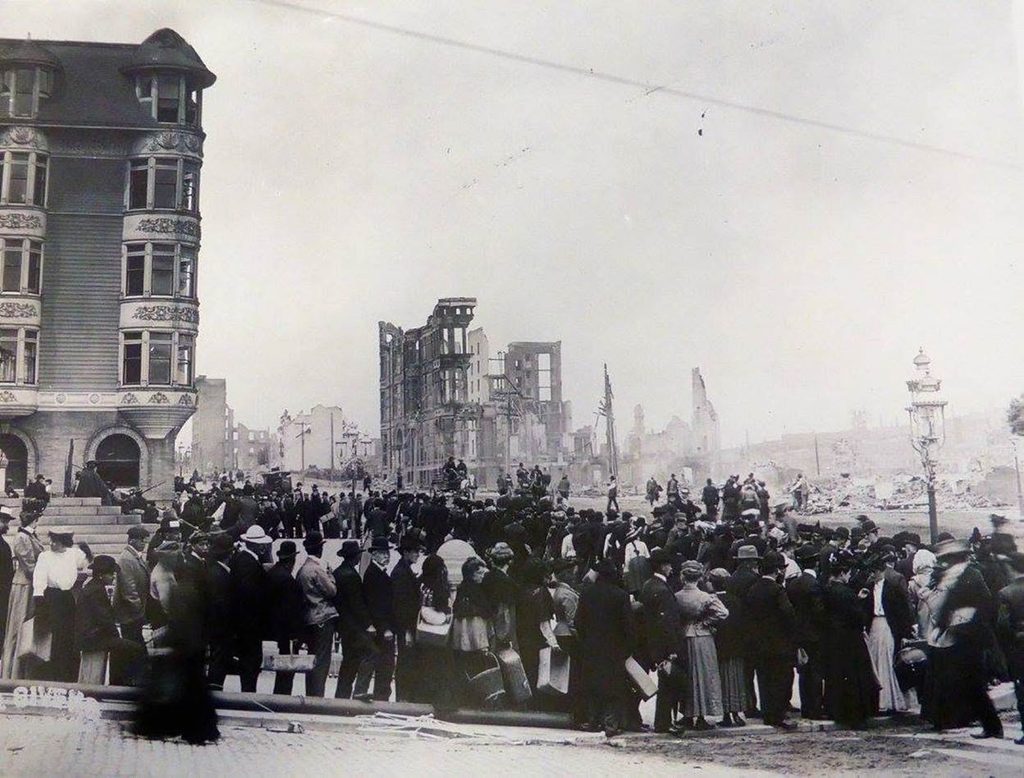
A photo of San Francisco after the great earthquake of 1906.
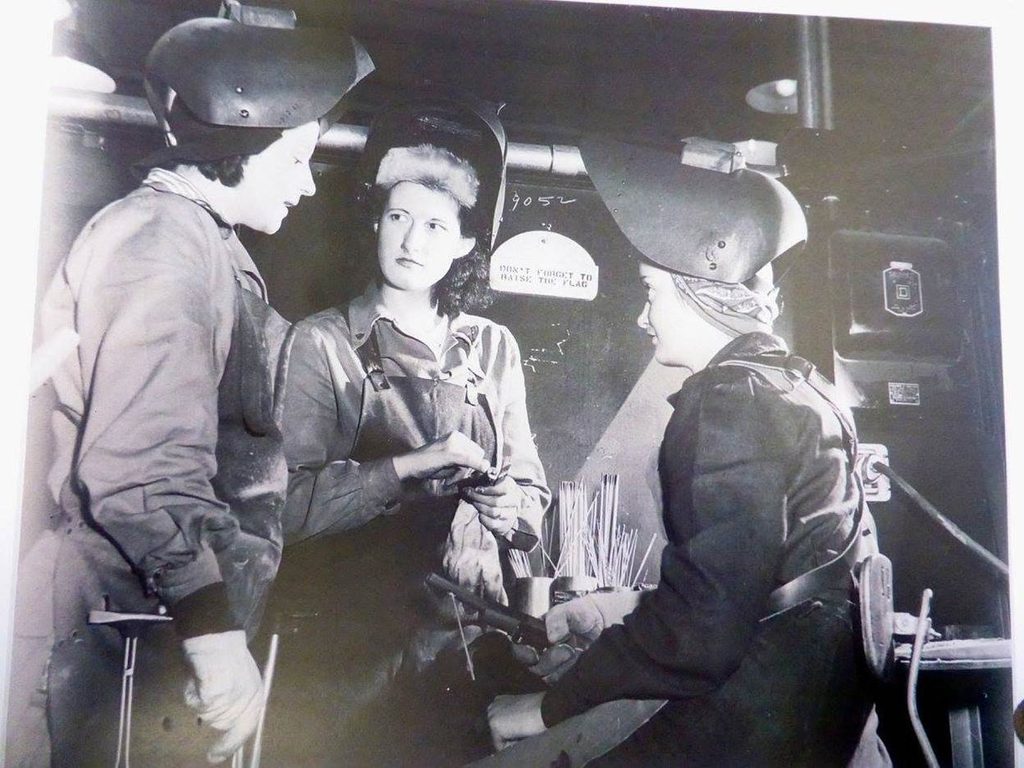
Ladies discussing their work on bombers at an Inglewood, CA plant during World War II.
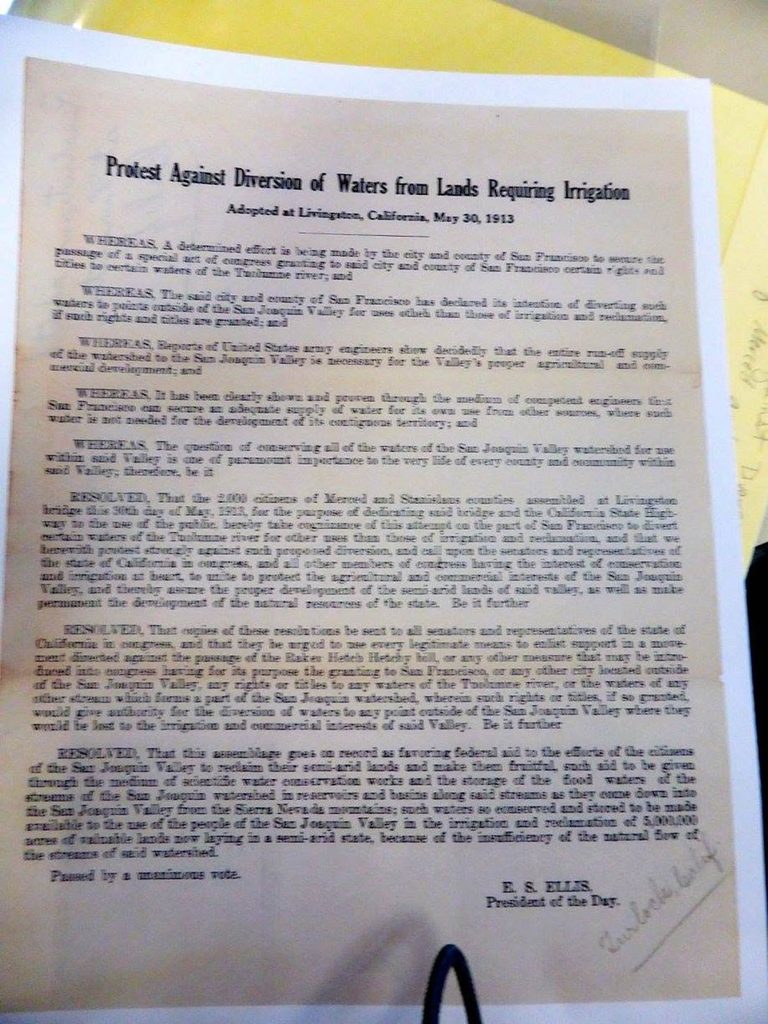
In the early 1900s, the Hetch Hetchy Valley (considered by many to have been just as beautiful as Yosemite Valley) was flooded to provide drinking water to San Franciscans. This letter protested the project.
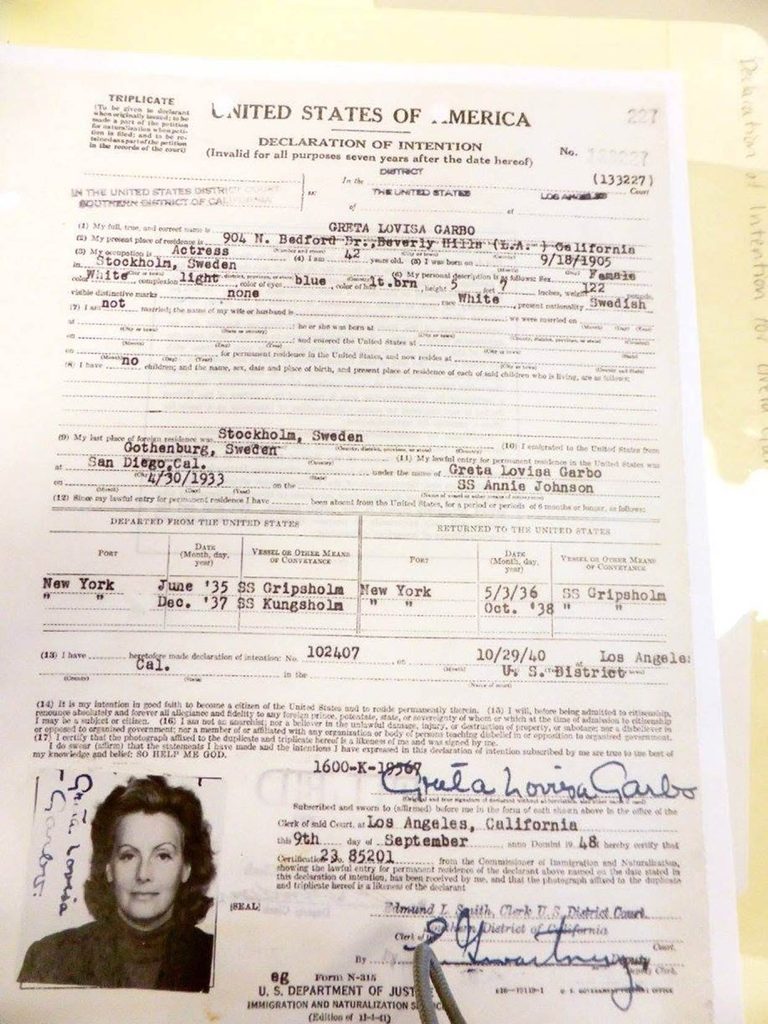
Actress Greta Garbo’s application for citizenship.
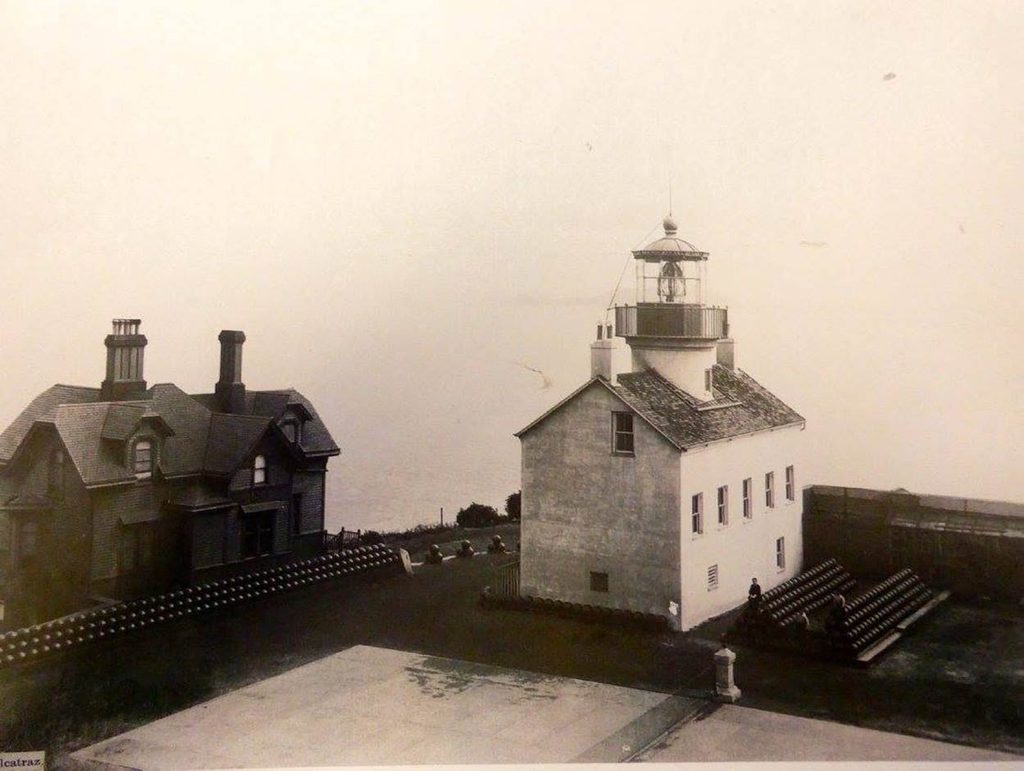
A photo of Alcatraz’s lighthouse, c. 1913.
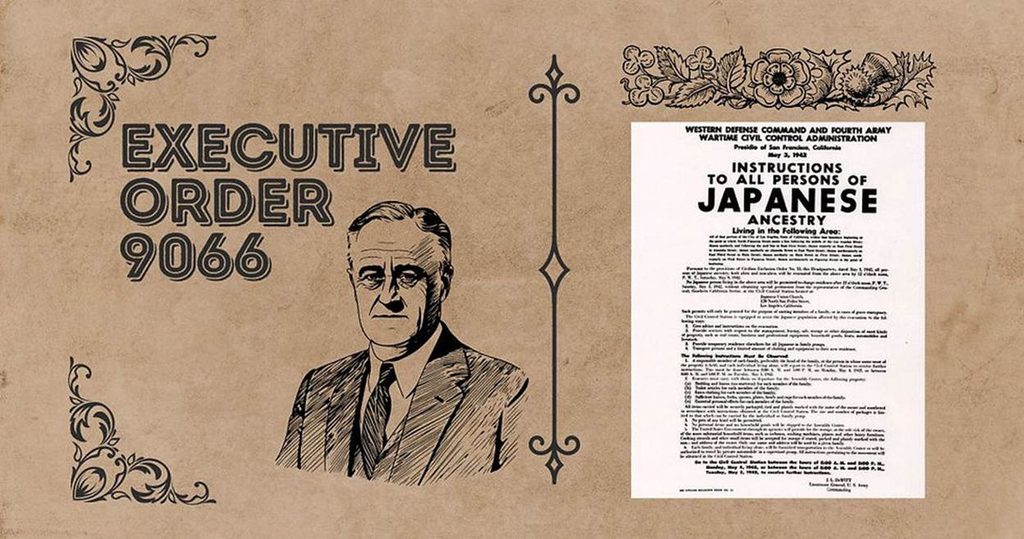
The National Archives also houses President Franklin Roosevelt’s Executive Order 9066, which shamefully forced Japanese-Americans into detention camps during World War II. The National Archives has the original; since I couldn’t photograph it, I’m showing a facsimile here.
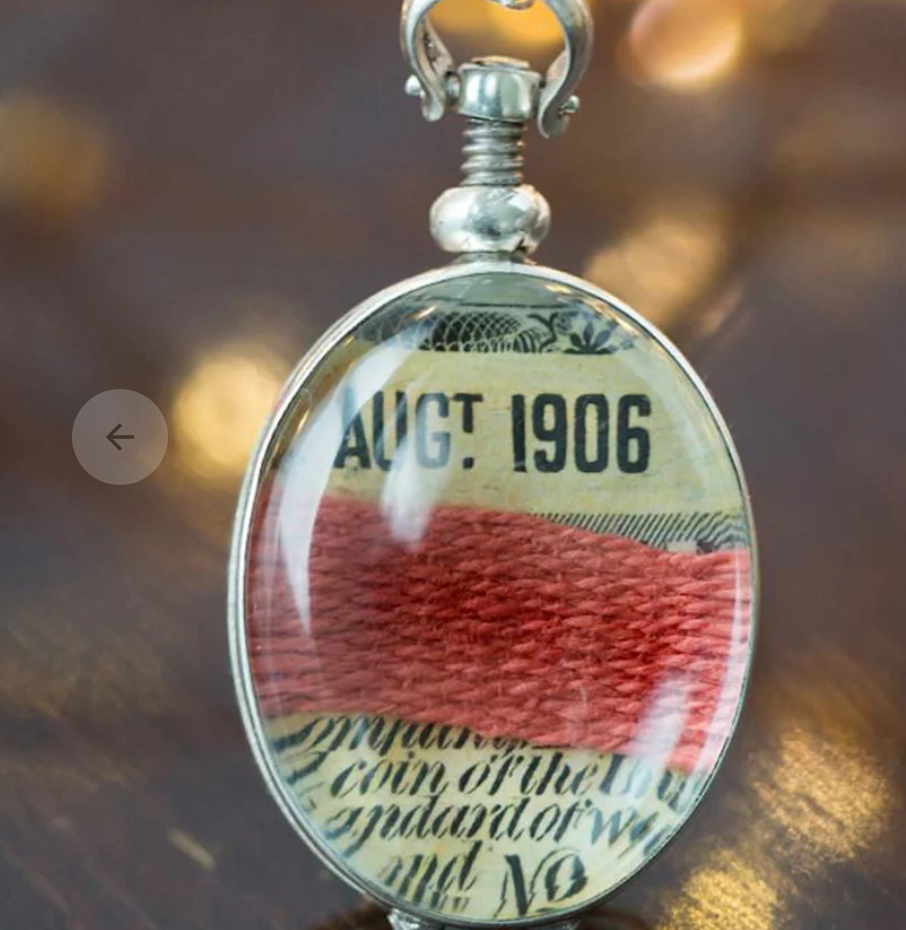
The infamous government red tape is not a myth! The use of a cloth-like red ribbon to bind official documents goes back centuries and across the Atlantic, and the use of red tape in America even pre-dates the Revolutionary War. In 1696, the colony of Maryland required all land documents to be sealed in red tape. The practice involved tying the tape around documents and then sealing the ends in wax, with the idea that only the intended recipient should read the missive by “cutting through the red tape”. On my first visit to the National Archives, the public administrator in me couldn’t resist buying a pair of earrings made from red tape. Those earrings have disappeared over the years, but the National Archives still sells jewelry containing authentic red tape, such as the pendant pictured above. Photo from the National Archives’ online gift shop.
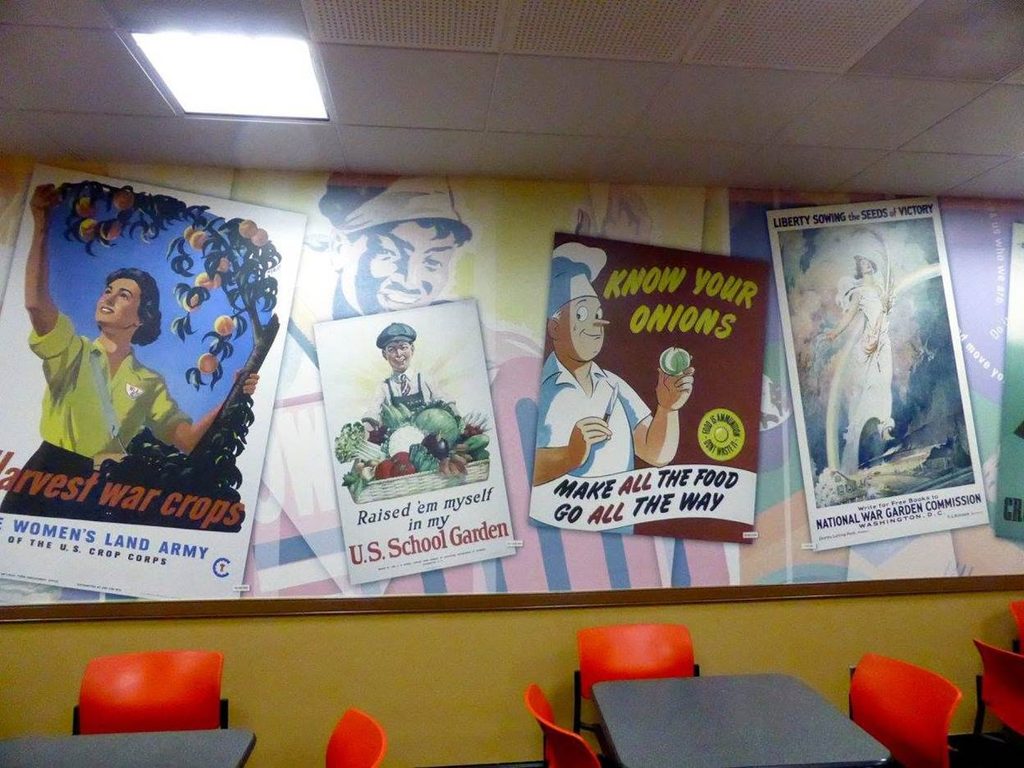
Food-related posters from World War II adorn the walls of the National Archives’ cafeteria.
The National Archives Museum is located at 701 Constitution Avenue NW in Washington DC. To get there, take Metrorail’s Yellow or Green lines to the Archives-Navy Memorial-Penn Quarter Station. The National Archives Museum is open daily from 10:00am to 5:30pm and admission is free, although $1 timed-entry tickets (available online) are encouraged to avoid waiting in long lines. (Personally, I’ve never encountered long lines for entry, but perhaps that’s because I’ve never visited during the heights of the summer tourist season).
September 18, 2015