

NOTE: Sadly, the Newseum, a private museum charging admission in a city full of free public museums, closed in 2019 due to years of financial losses. The Newseum was dedicated to news, journalism, and the five freedoms protected by the First Amendment. This was a fantastic museum and the nation lost a gem when it closed. I truly wish the Smithsonian had absorbed it. The Newseum’s building was purchased by Johns Hopkins University.
These photos come from my first visit to the Newseum in August 2013. I re-visited the Newseum multiple times before it closed on December 31, 2019.
The Newseum is allegedly the most popular museum in Washington DC. I only got to see about half of this fascinating place, with exhibits featuring the Berlin Wall, the 9/11 terrorist attacks, the Camelot of the Kennedy Administration, editorial cartoons, global press freedom, and so much more.
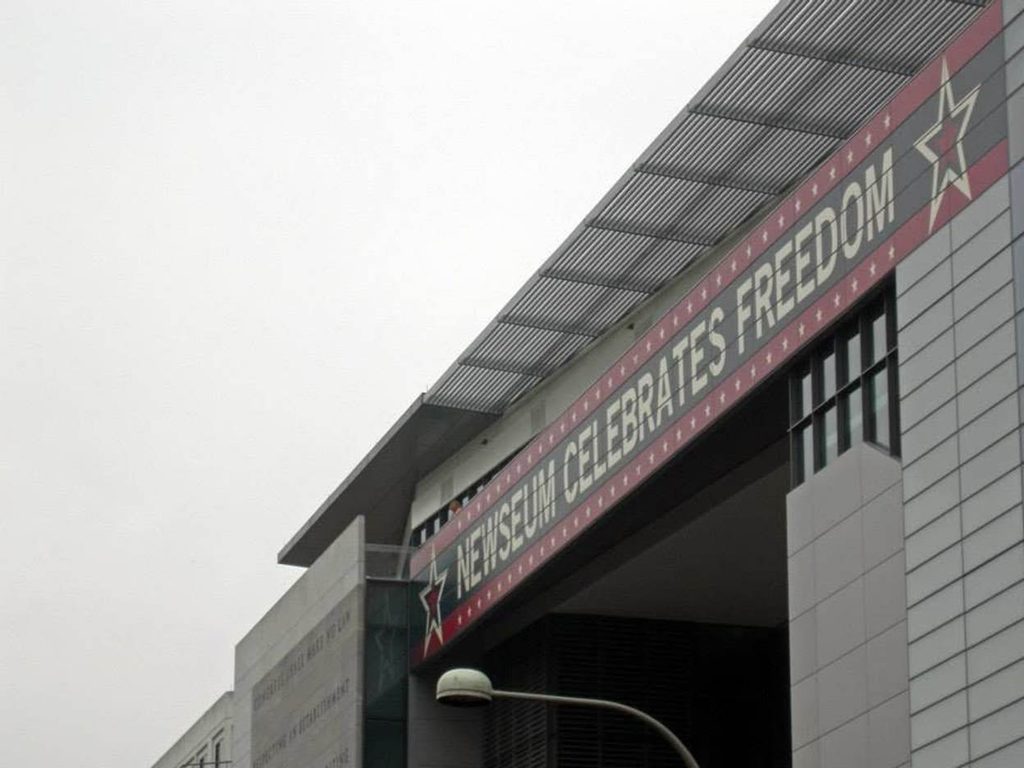
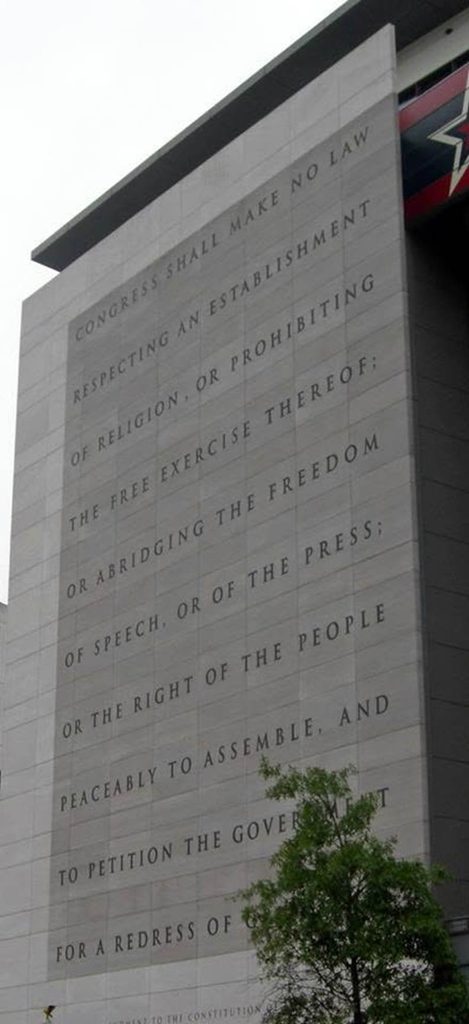
The Newseum’s 6-story façade celebrates the 1st Amendment of the U.S. Constitution. After Johns Hopkins took over the building, this monumental tablet was installed at the National Constitution Center in Philadelphia. I’m glad it wasn’t destroyed.
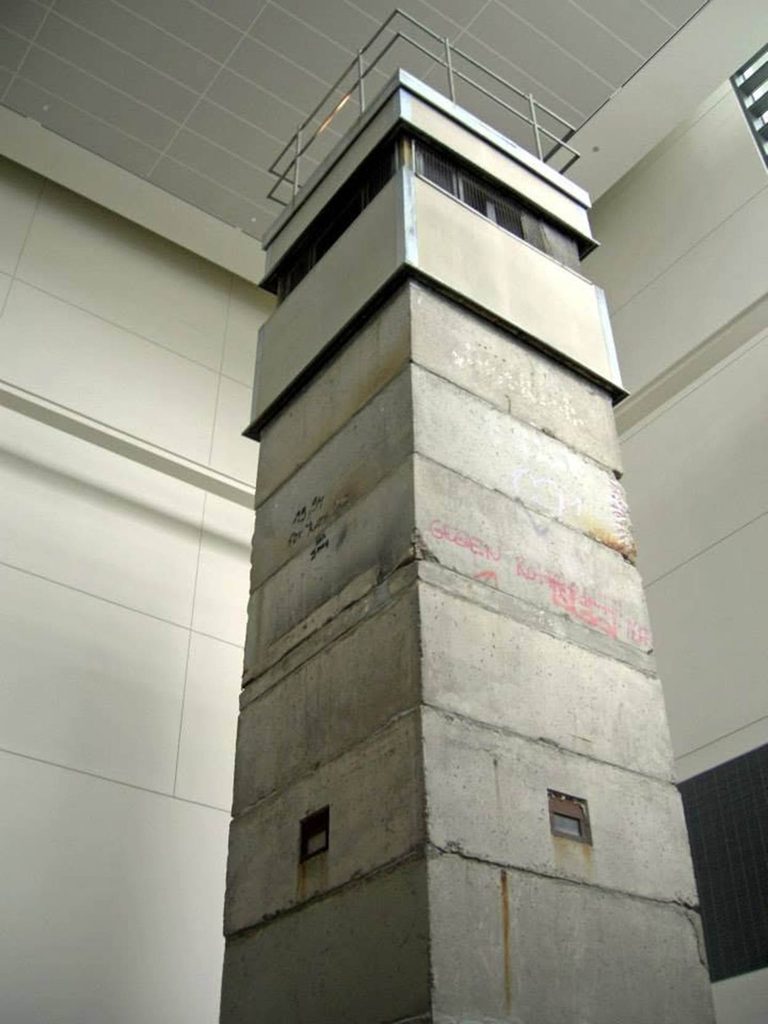
One of the guard towers from the Berlin Wall.
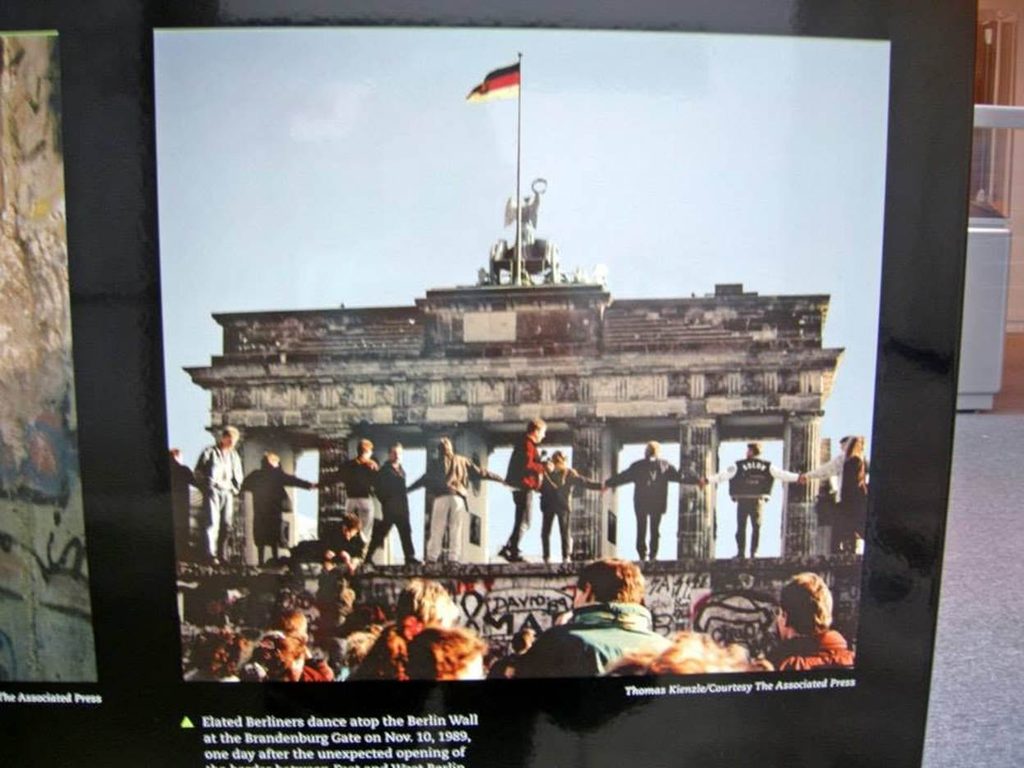
Germans dancing on top of the Berlin Wall in November 1989.
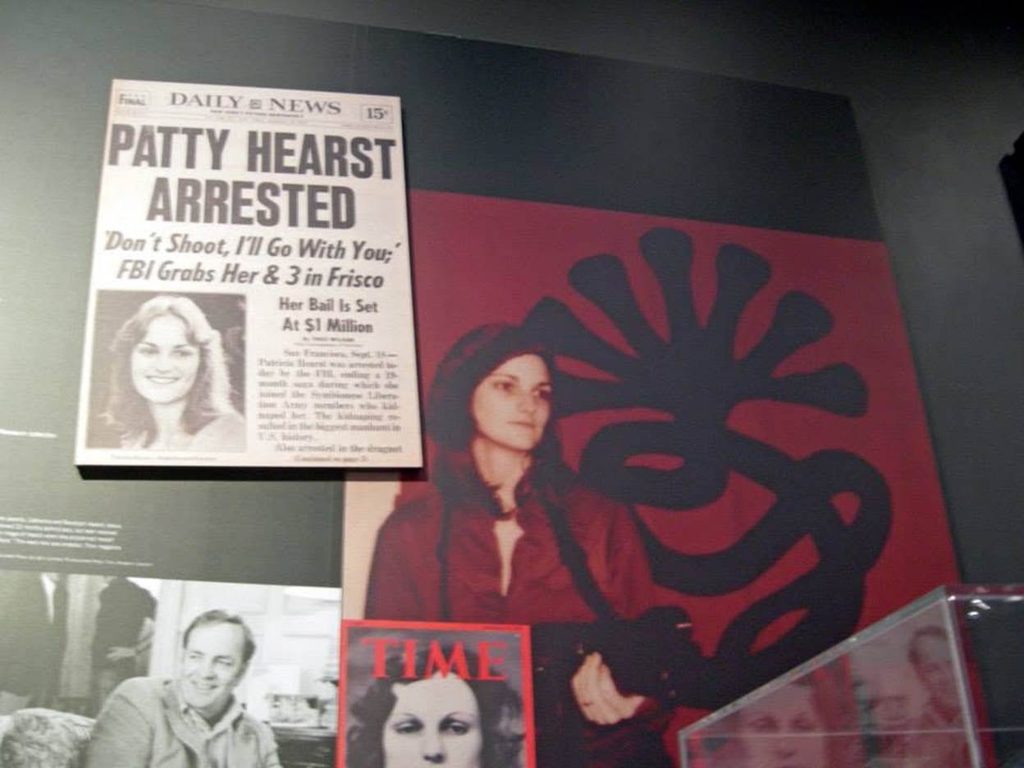
The story of Patty Hearst’s kidnapping and subsequent participation in the Symbionese Liberation Army’s bank robbery, electrified my high school class in 1974.
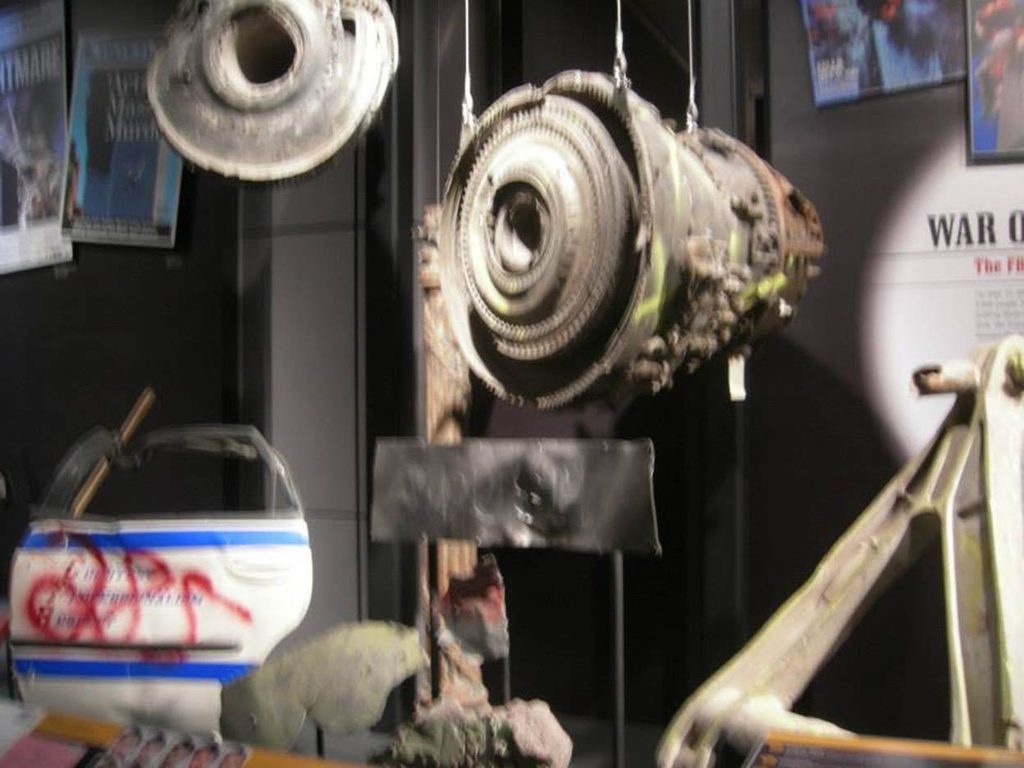
Portions of the airplane which struck the second of the two towers of New York’s World Trade Center in September 2011.
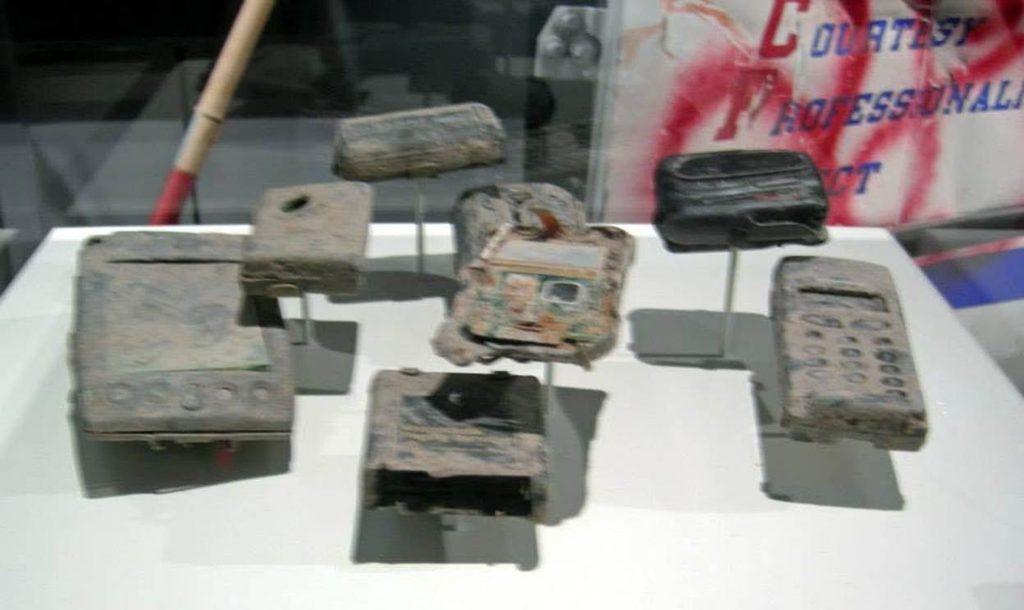
Cell phones and pagers found in the debris of the World Trade Center kept ringing for days after the attack as friends and family kept frantically trying to call their loved ones.
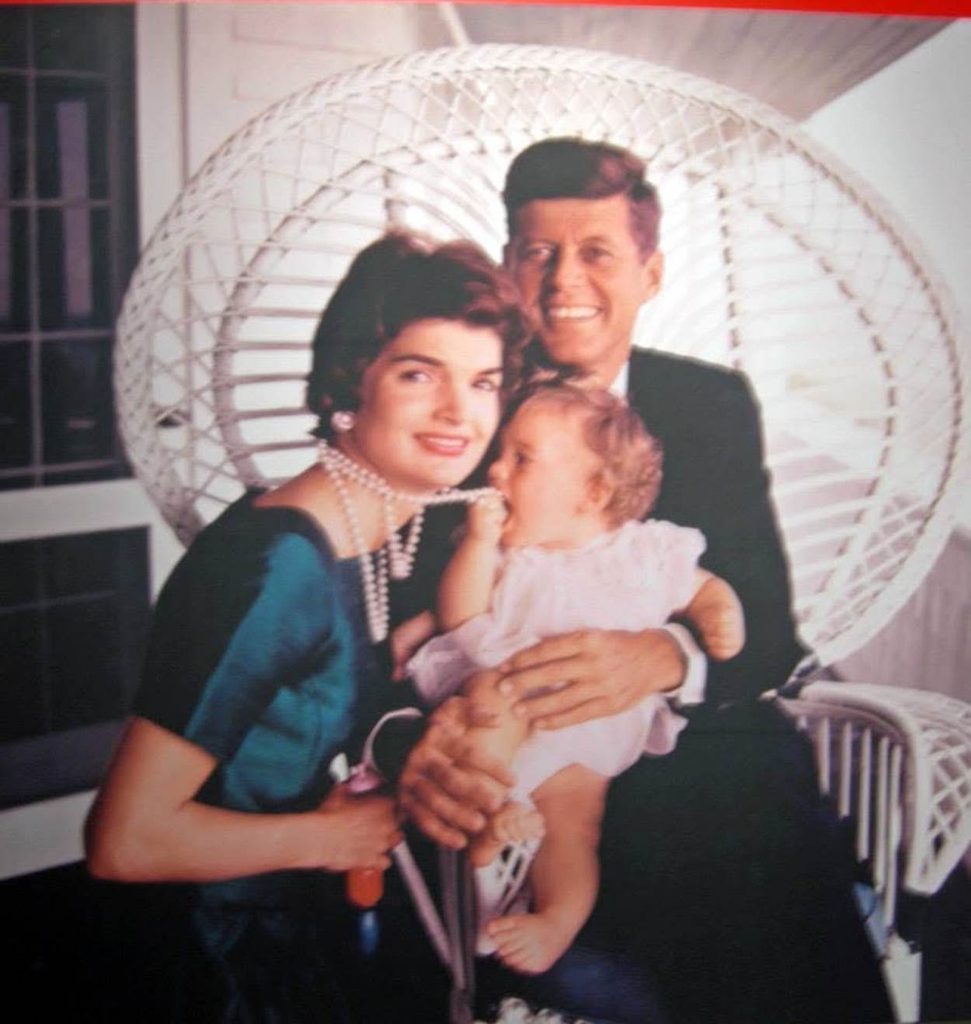
It was Jackie Kennedy herself who suggested the name “Camelot” to describe her husband’s presidential administration. The attractive young family were chronicled as no other as no other administration before them.
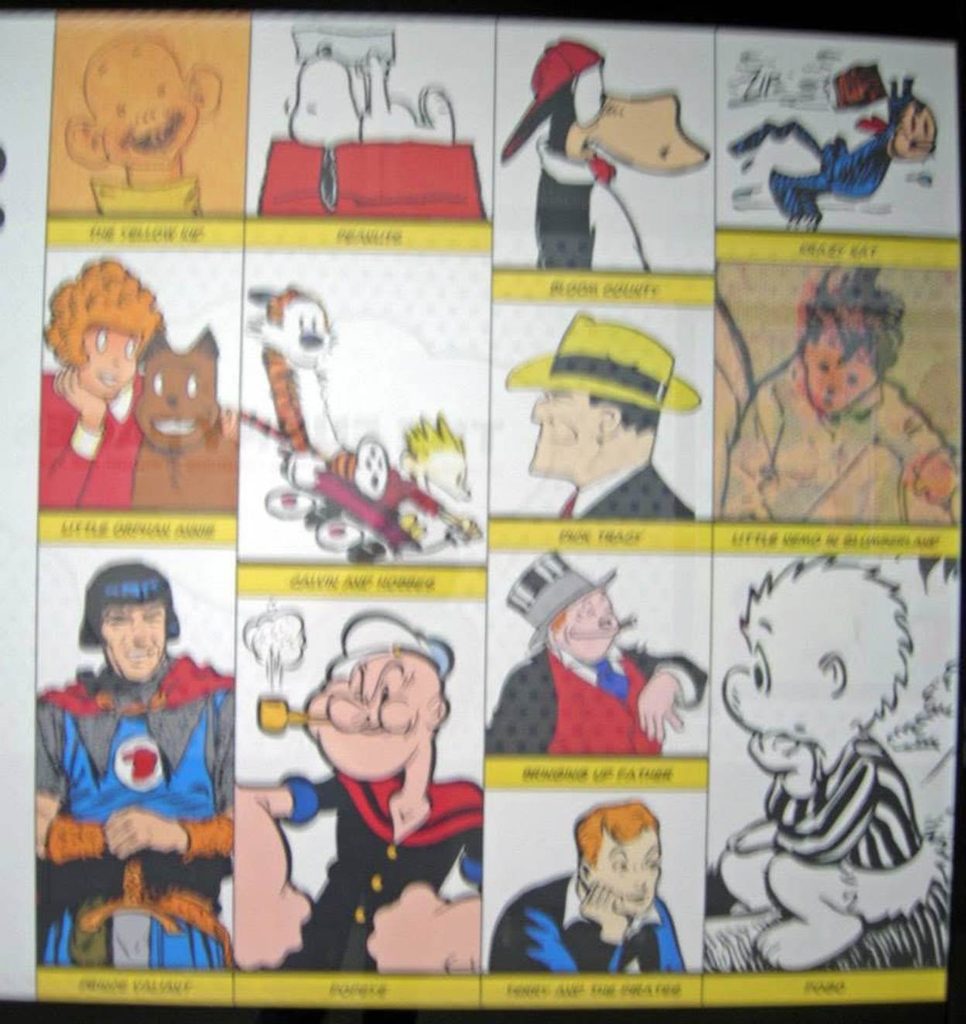
The cartoons of my youth! I couldn’t understand why anybody would read the New York Times, a newspaper too stuffy to bother with Sunday cartoons. I preferred the New York Daily News in those days. Life came full circle, though: I now read the New York Times on a daily basis.
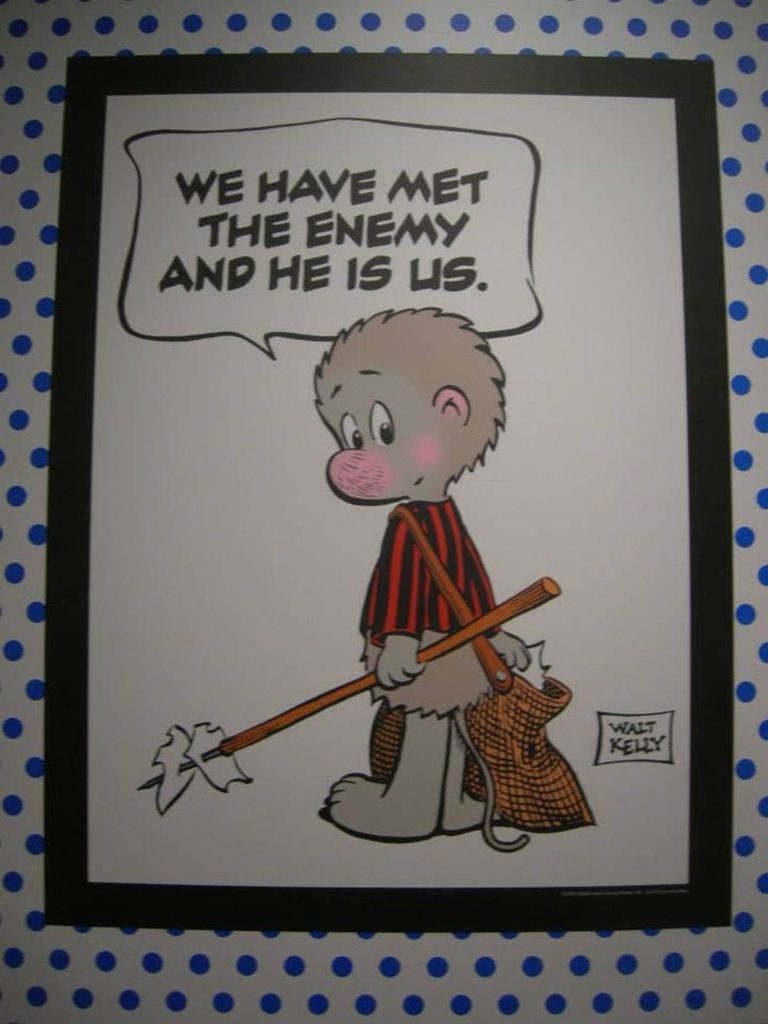
The famous Pogo cartoon by Walt Kelly created for Earth Day 1971.
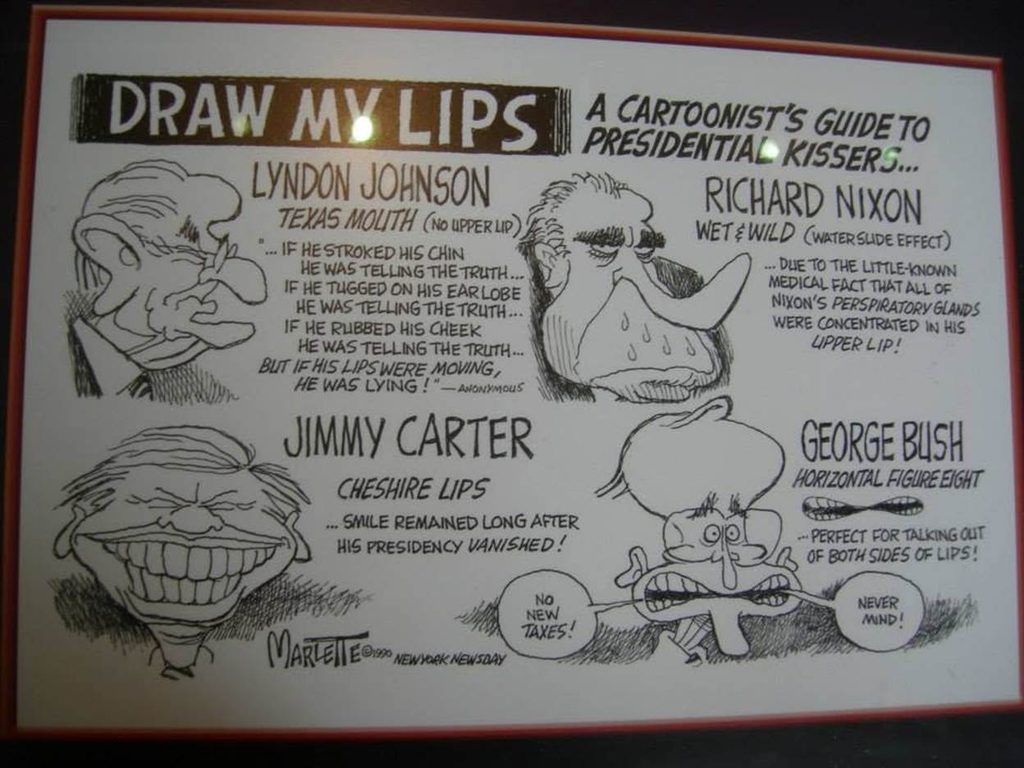
Honoring editorial cartoons.
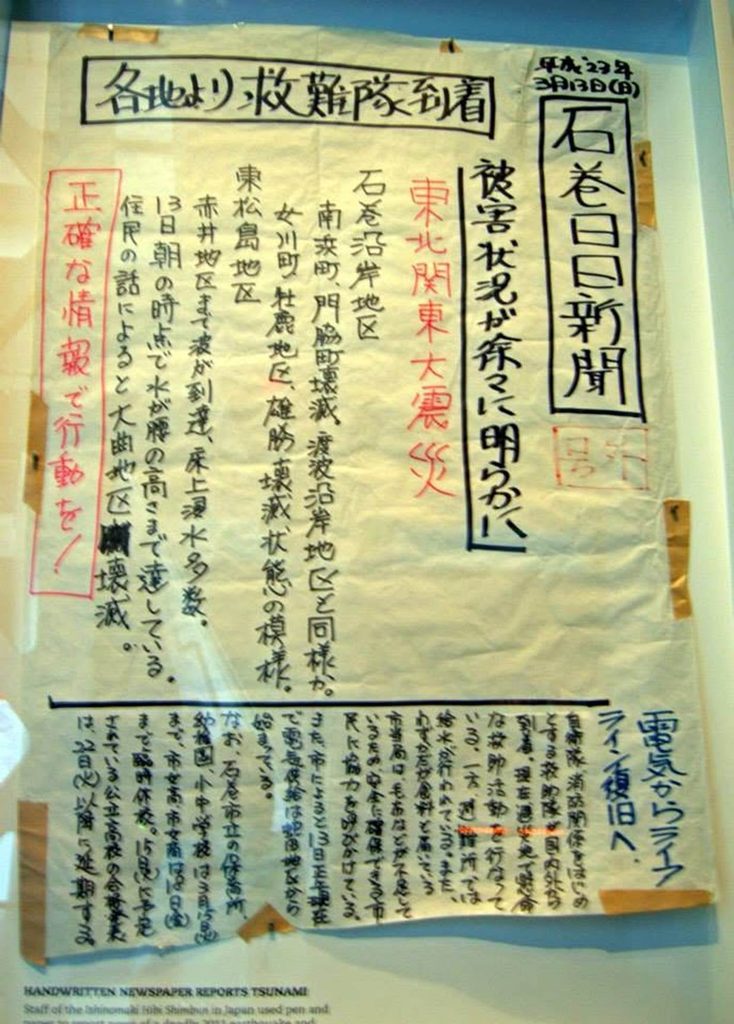
The Ishinomaki Hibi Shimbun produced a handwritten pen-and-ink version of its newspaper following the 2011 tsunami in Japan. They were so dedicated to getting the news out that they created a handwritten newspaper.
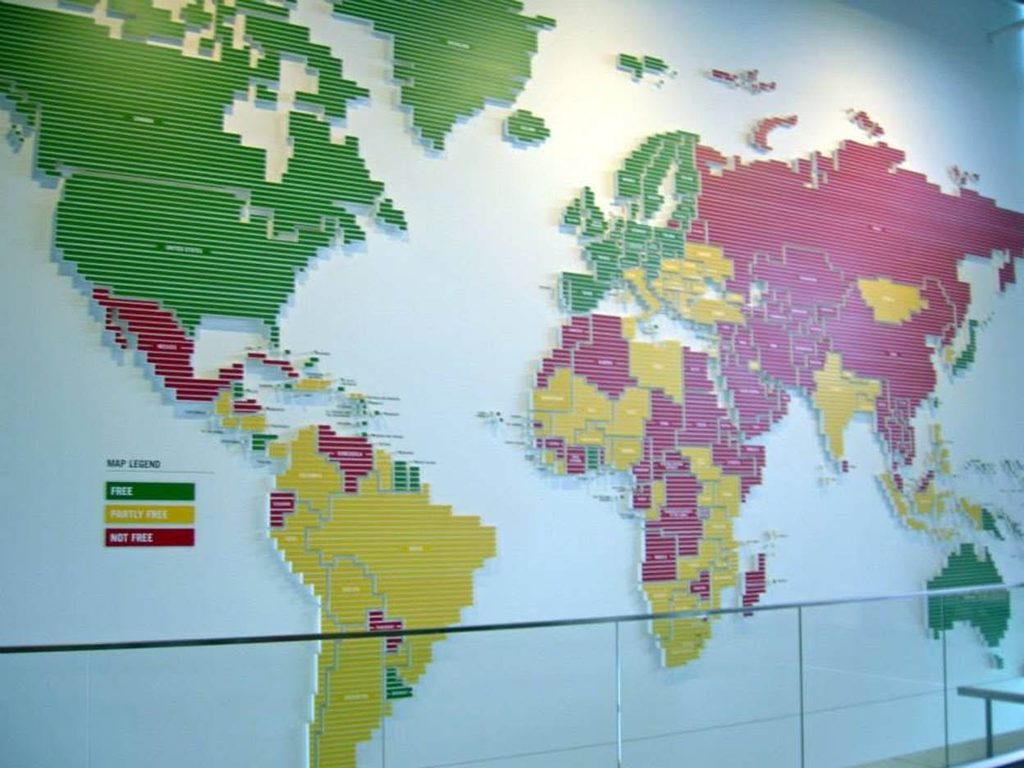
A display showing freedom of the press, or the lack thereof, around the world. I wonder how much this map has changed since 2013.
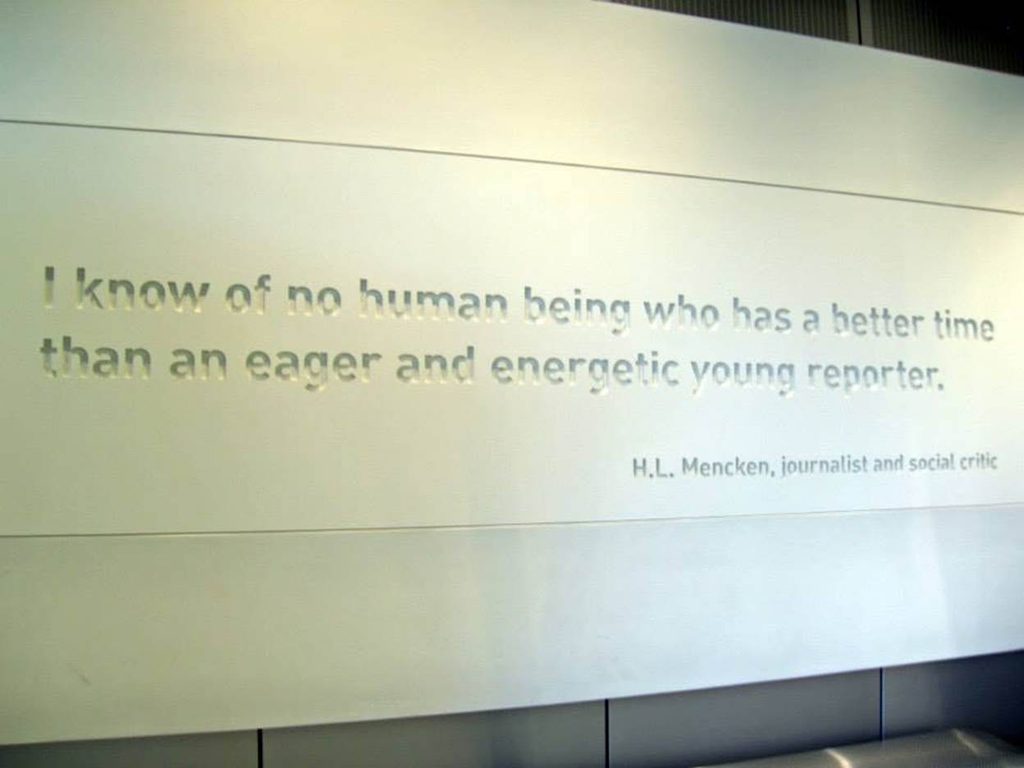
For Matthew Zelkind (broadcast) and Chuck Smith, print journalism. Thanks, my friends.
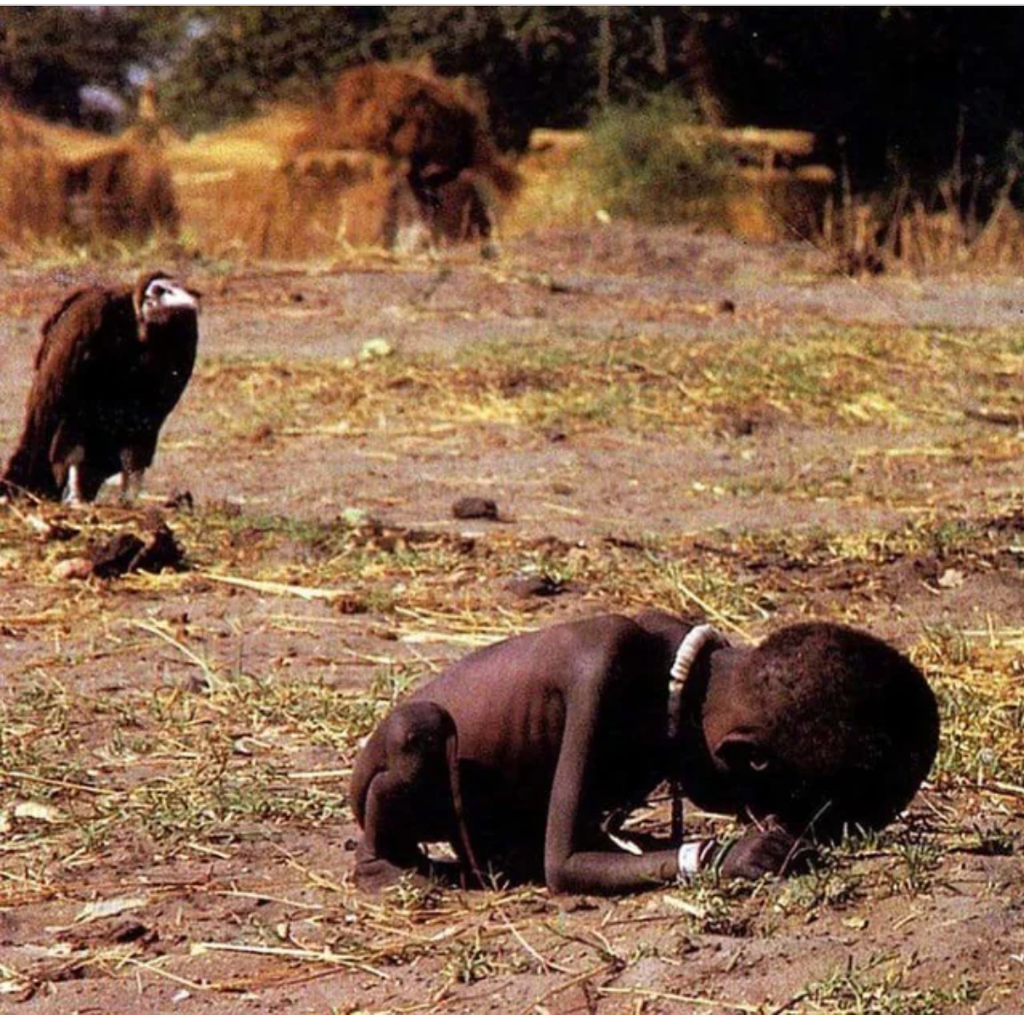
The Newseum had an interactive exhibit on journalistic ethics, for which there are often no clear-cut answers. In this case, a journalist saw a starving child crawling towards a food distribution center with a vulture watching carefully nearby. Should the reporter have skipped the photo and helped the child, or attempted to serve the greater good by publicizing the plight of starving children in Sudan? This photo was taken by Kevin Carter during the 1993 famine in Sudan.
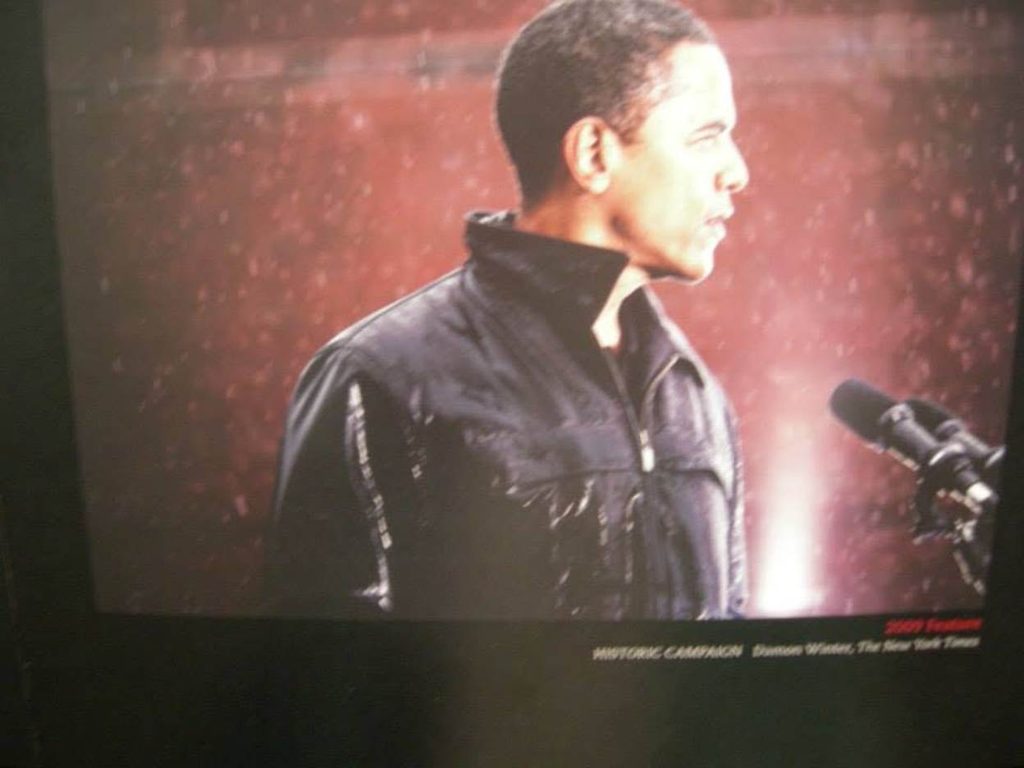
An exhibit at the Newseum displays all of the Pulitzer-Price winning photographs (both news and feature) since the 1940s. This shows Barack Obama in the early days of his first presidential campaign in 2008.