

We spent most of our day touring Bergen, the second-largest city in Norway. This was a lot of fun, and it’s a city worth coming back to when I have more time to explore.
After we came back on board, we had a presentation on “typical Norwegians”. It was a lot of miscellaneous bits and pieces about Norwegian life and culture. As usual, our presenter injects a lot of humor into his talk.
Each night, we’re given a presentation on our “Plan for Tomorrow”, and we’ll be cruising through the inner coastal route tomorrow. It’s supposed to have some lovely scenery.
Finally, we had a lesson in photographing the Northern Lights. It looks like my iphone may take passable photos and I have a tripod, so I’ll keep my fingers crossed. In the meantime, I’m trying to look up the instruction manual for my point-and-shoot Panasonic camera. Sadly, I don’t have a DSLR with me.
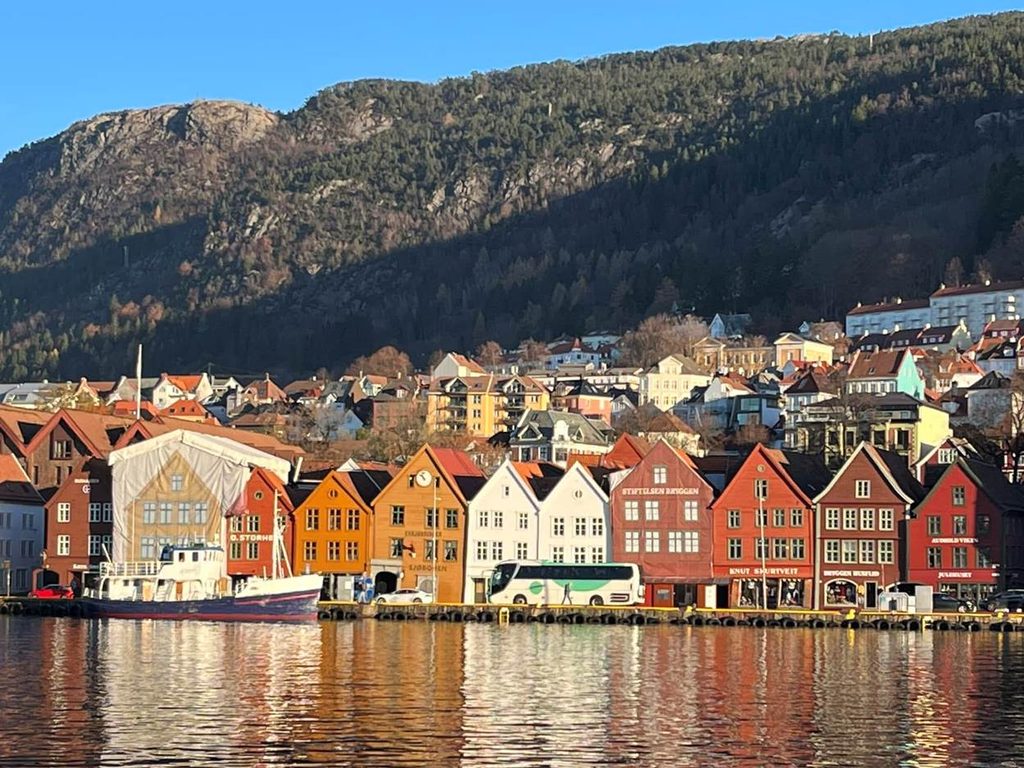
The first thing we saw when we disembarked were these colorful wharf houses.
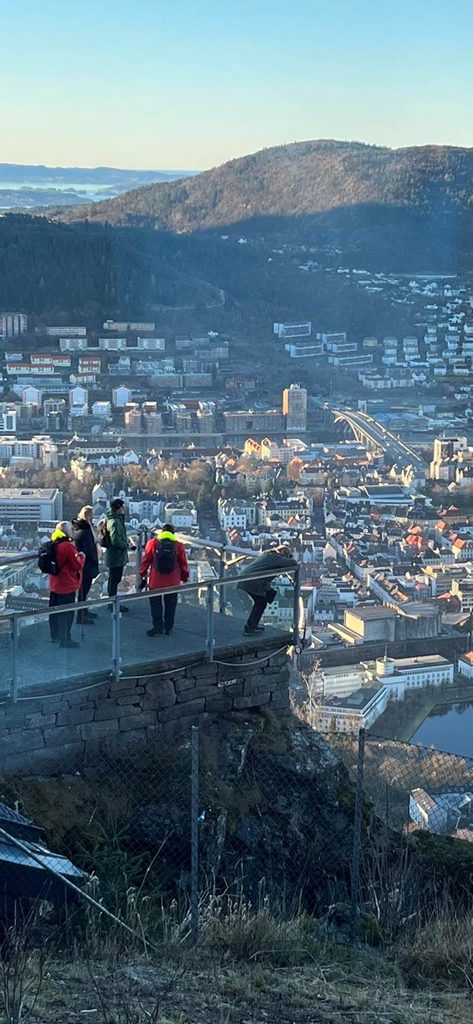
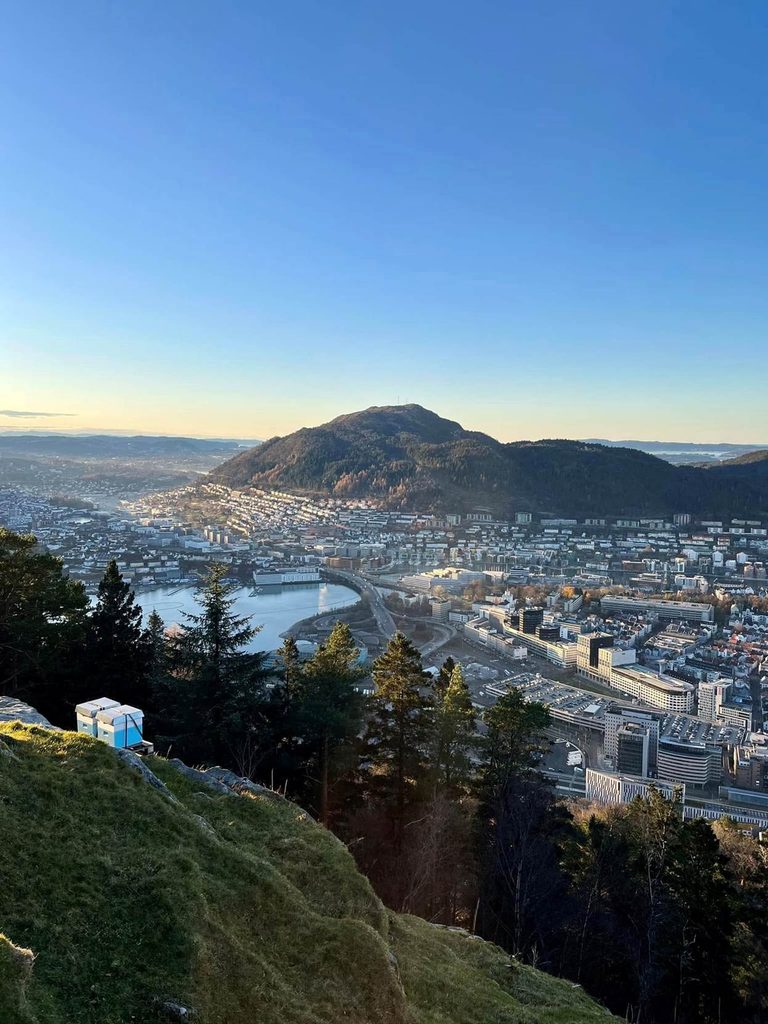
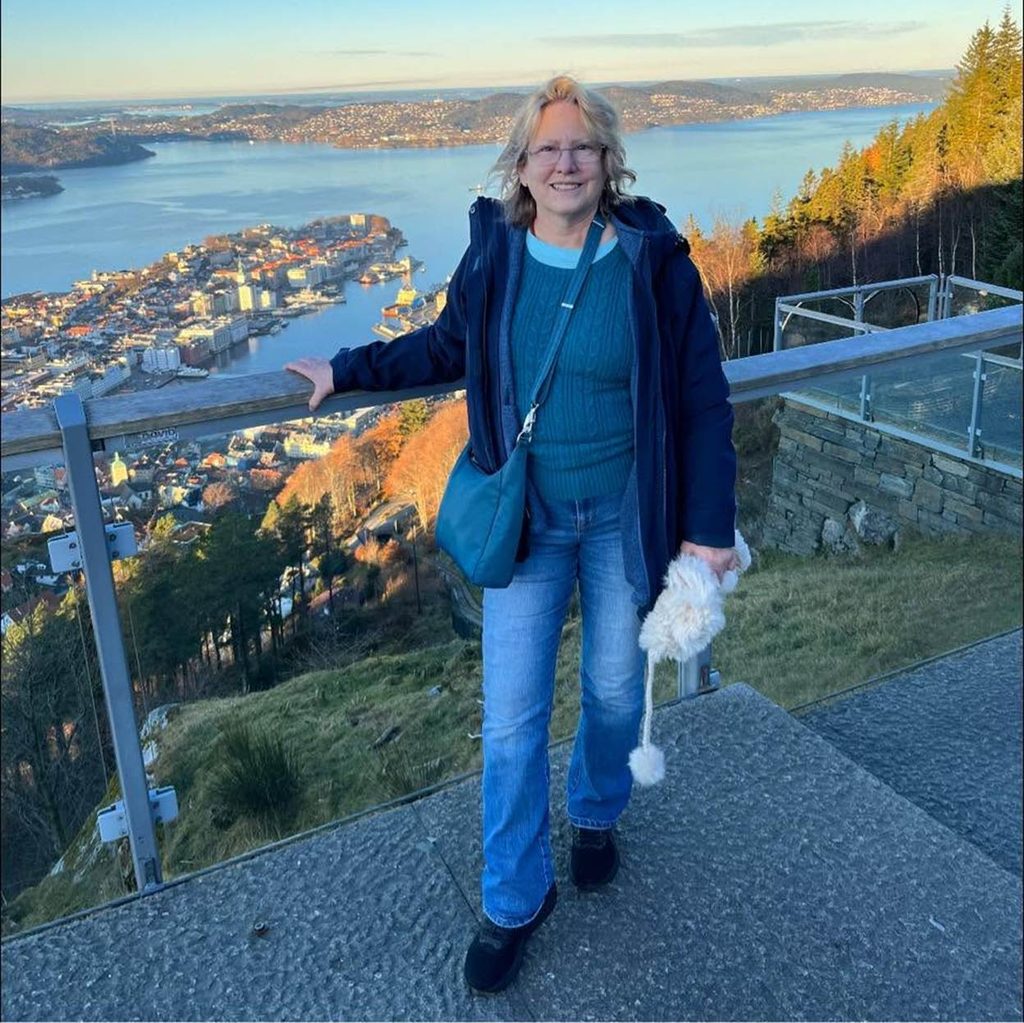
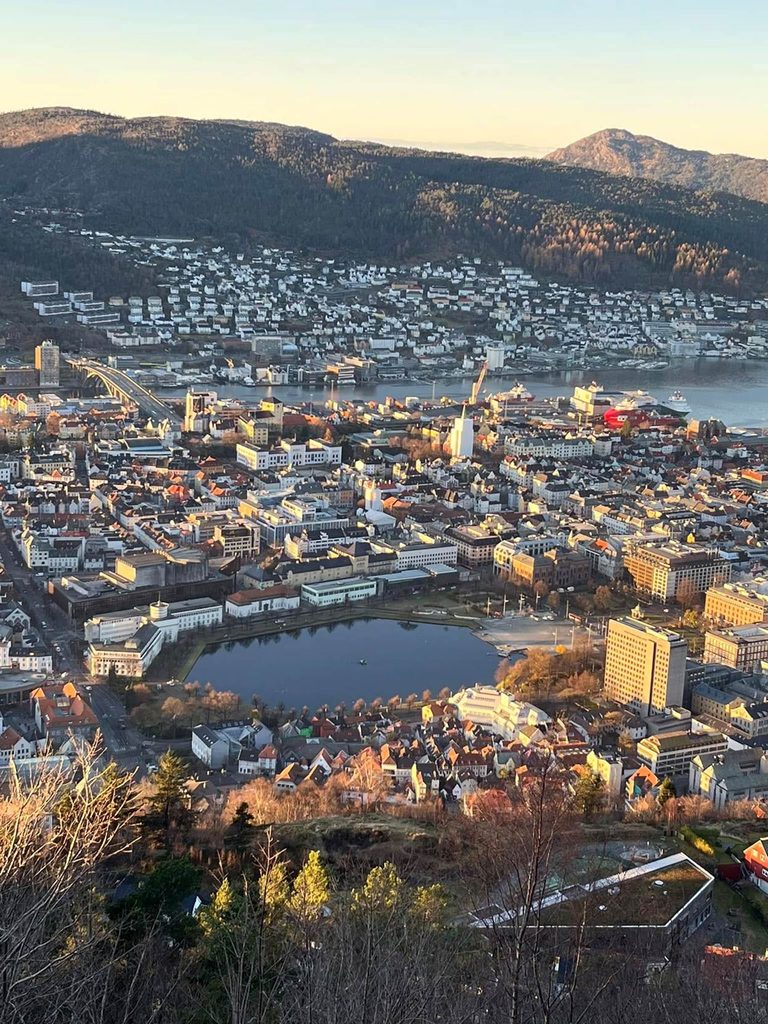
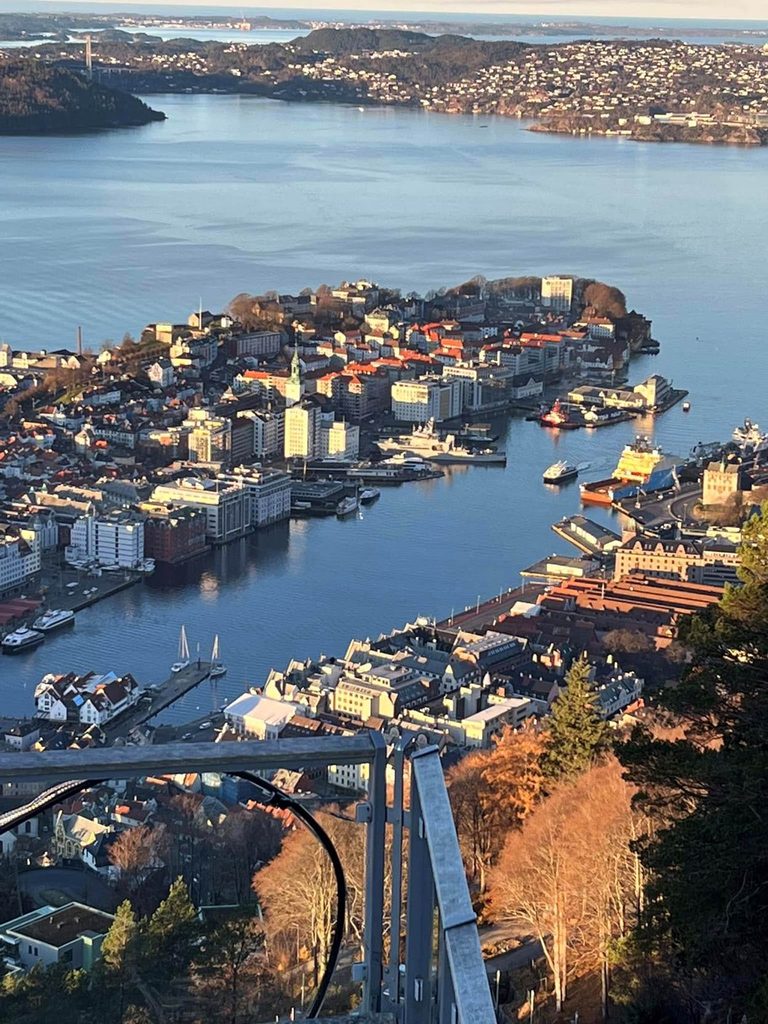
I started my exploration of Bergen by taking the funicular to the top of Mt. Fløyen to admire the scenery spread out below me.
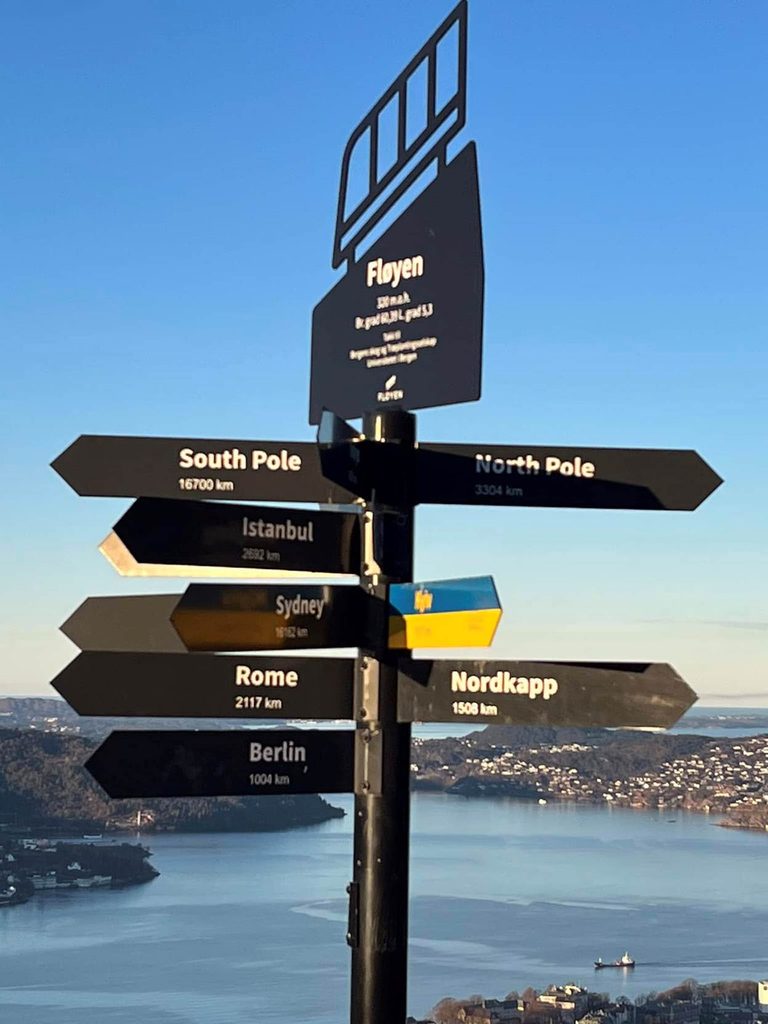
Note that even though we’re in Norway and getting closer to the Arctic Circle, we’re still closer to Istanbul than we are to the North Pole. I don’t think we’re going to be able to see Sinter Klaas on this trip.
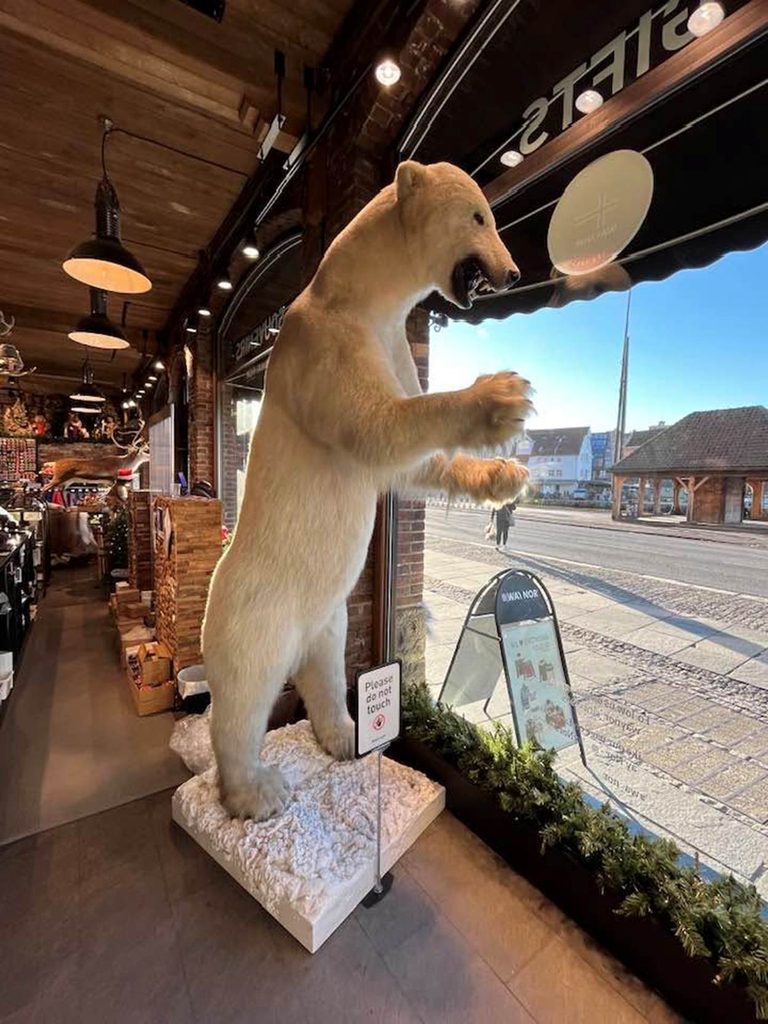
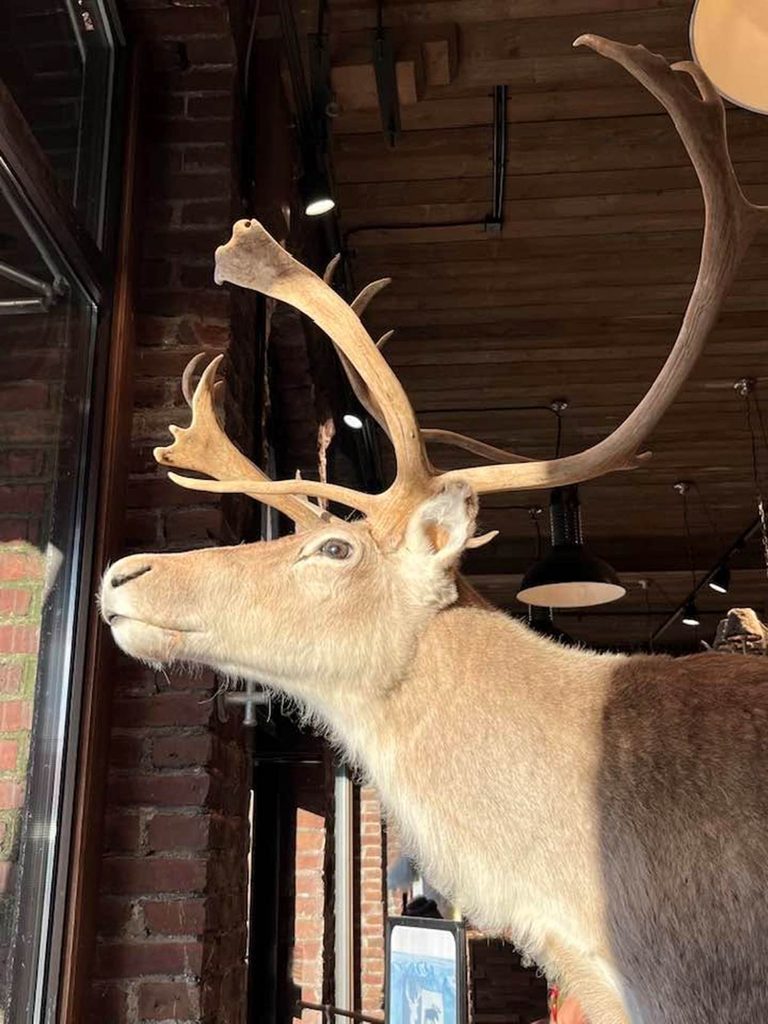
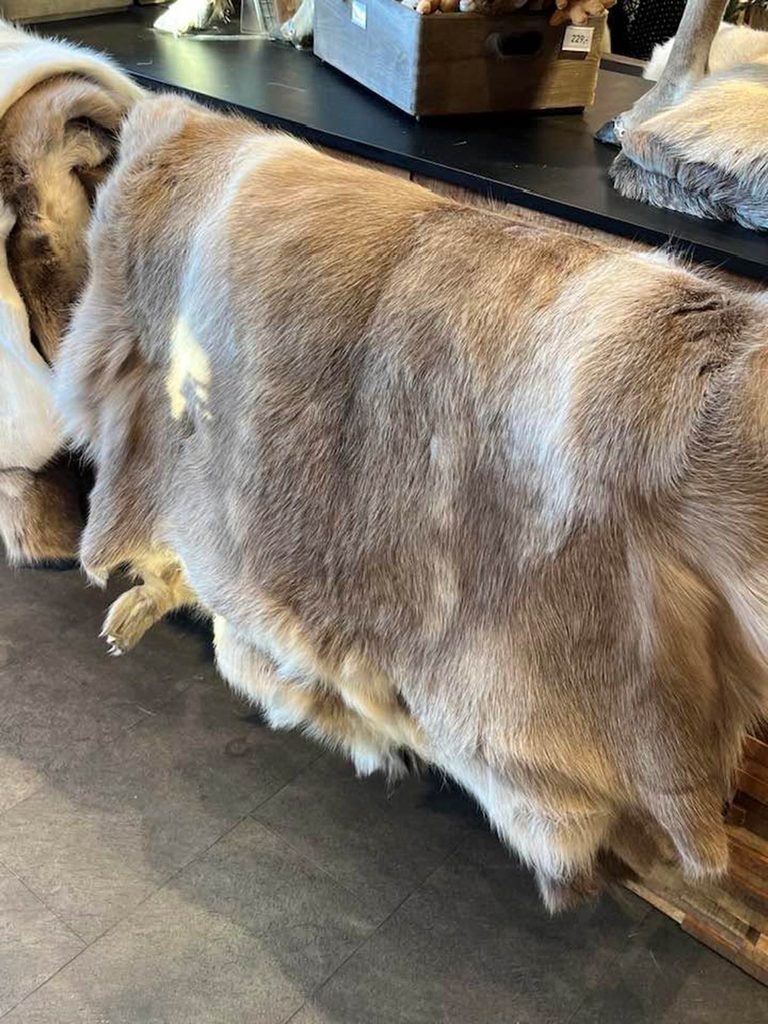
In the shops, I found a polar bear (which scared one unsuspecting Brit visitor who wasn’t expecting to be confronted with him), reindeer hides that can be purchased for roughly $150, pretty Norwegian sweaters ($200-$450), and jerky and sausage from reindeer and other Norwegian animals.
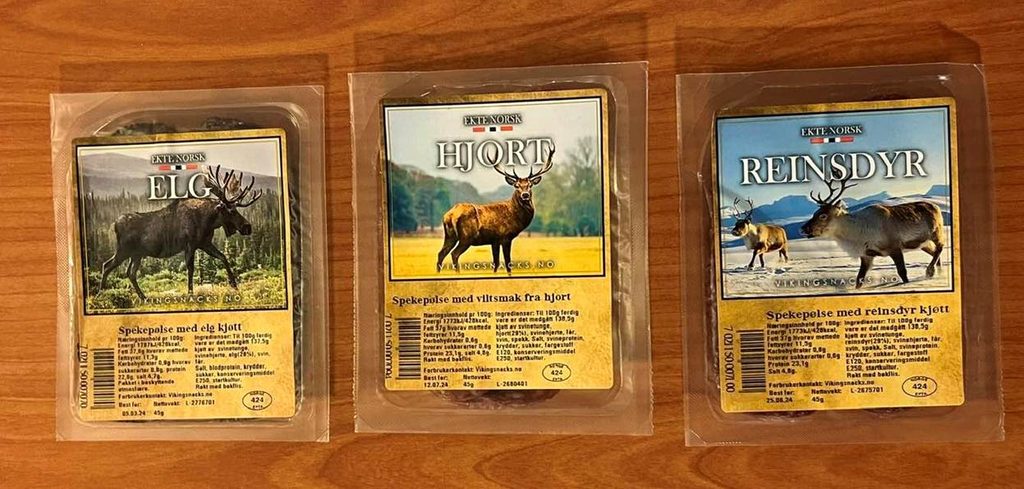
Jerky made from moose, elk, and reindeer. I was rather distressed to see whale jerky, too. Looking into it, I found that Norway is second only to Japan in whale-hunting.
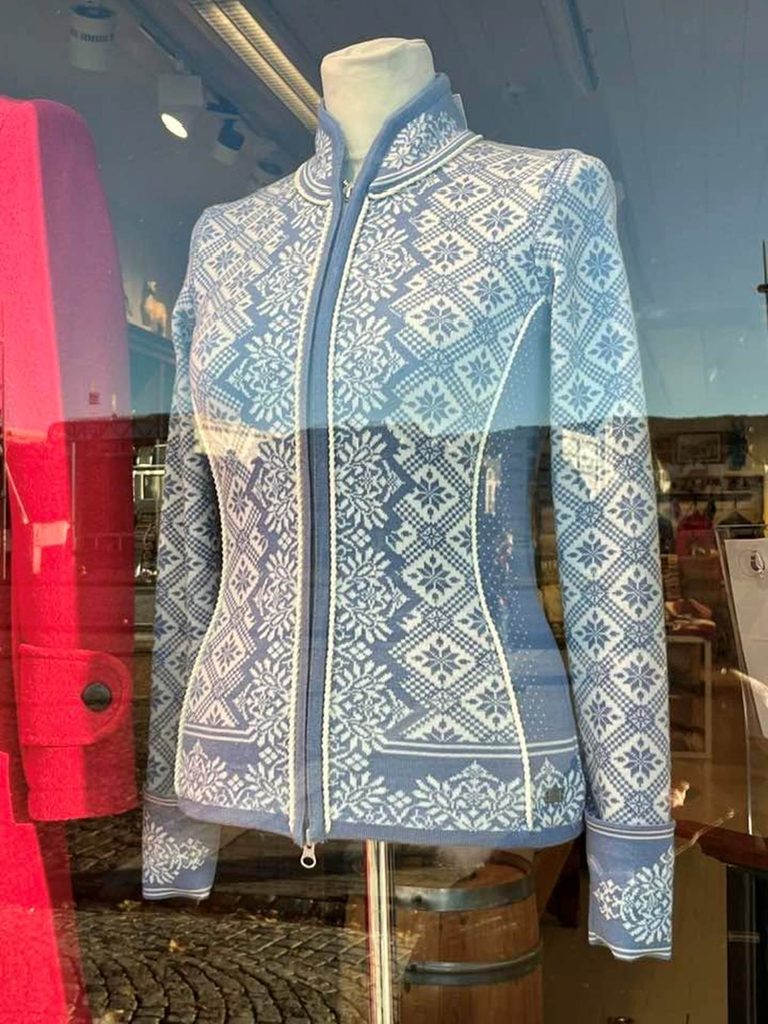
I kick myself for not buying this lovely Norwegian sweater.
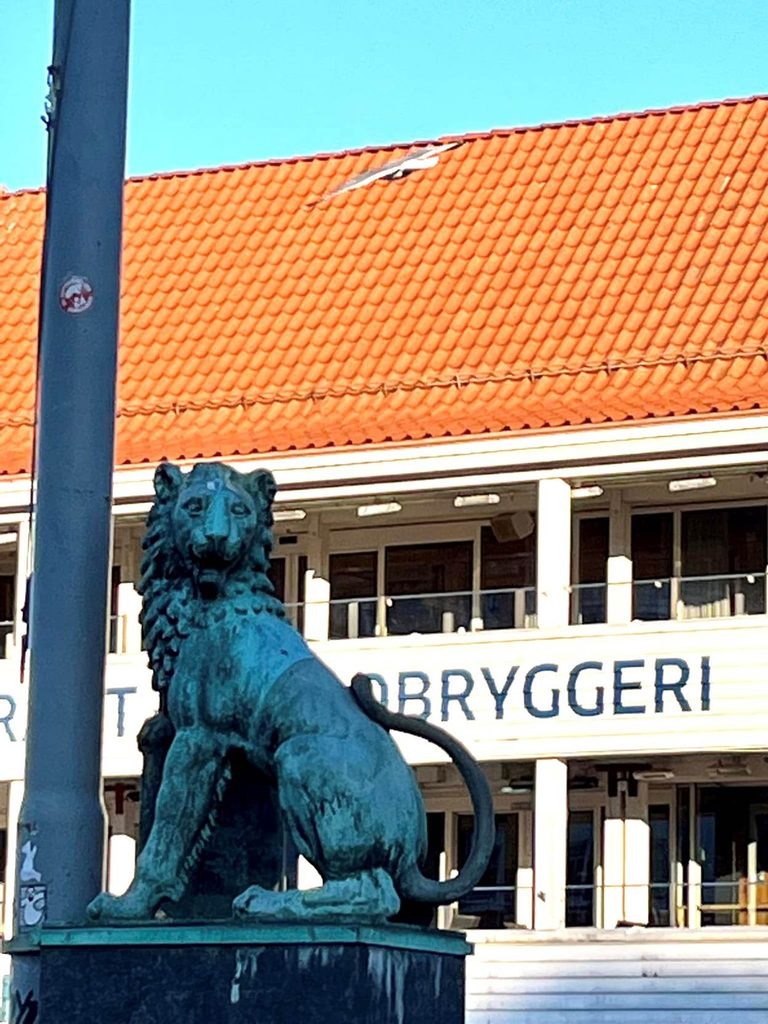
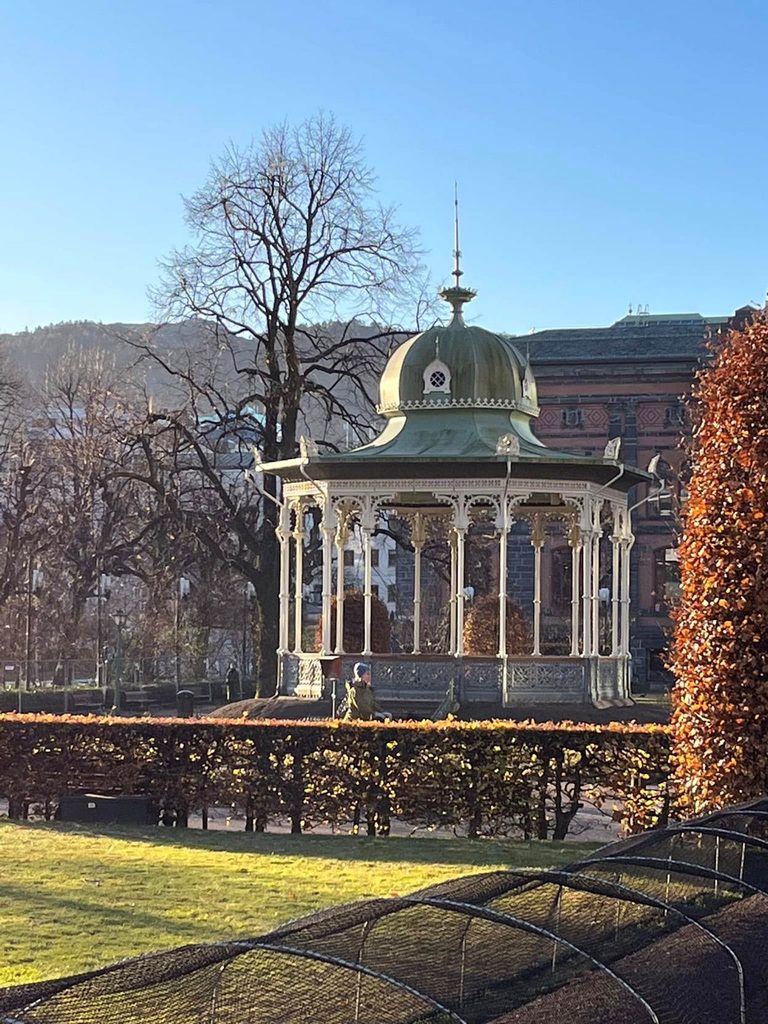
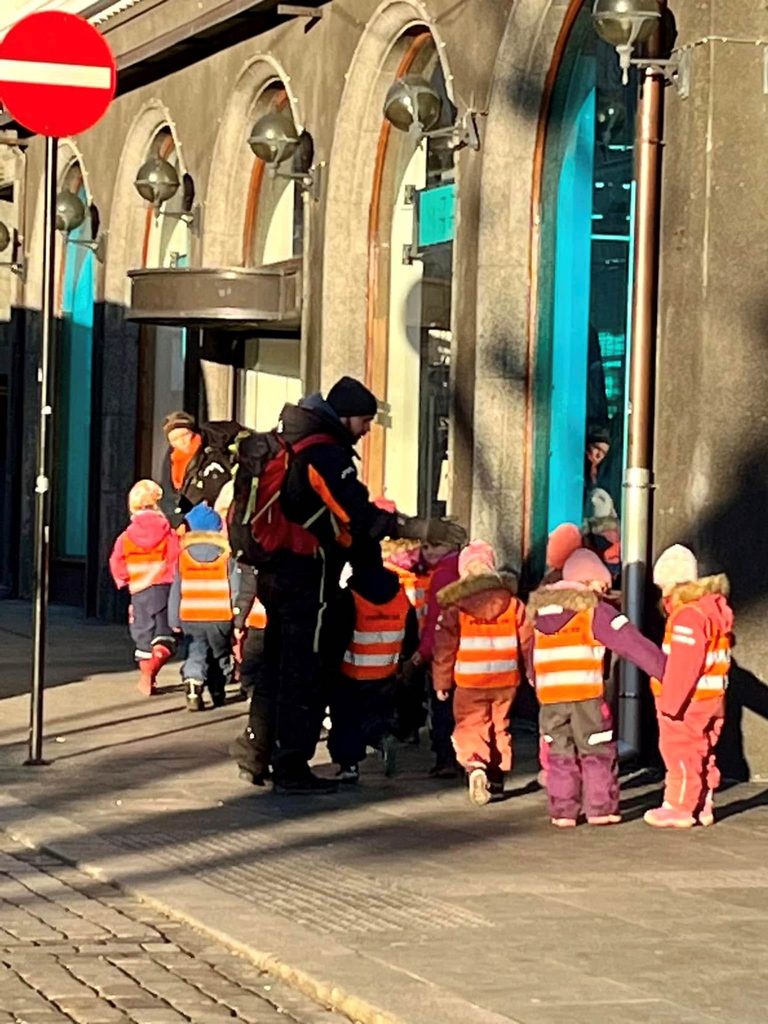
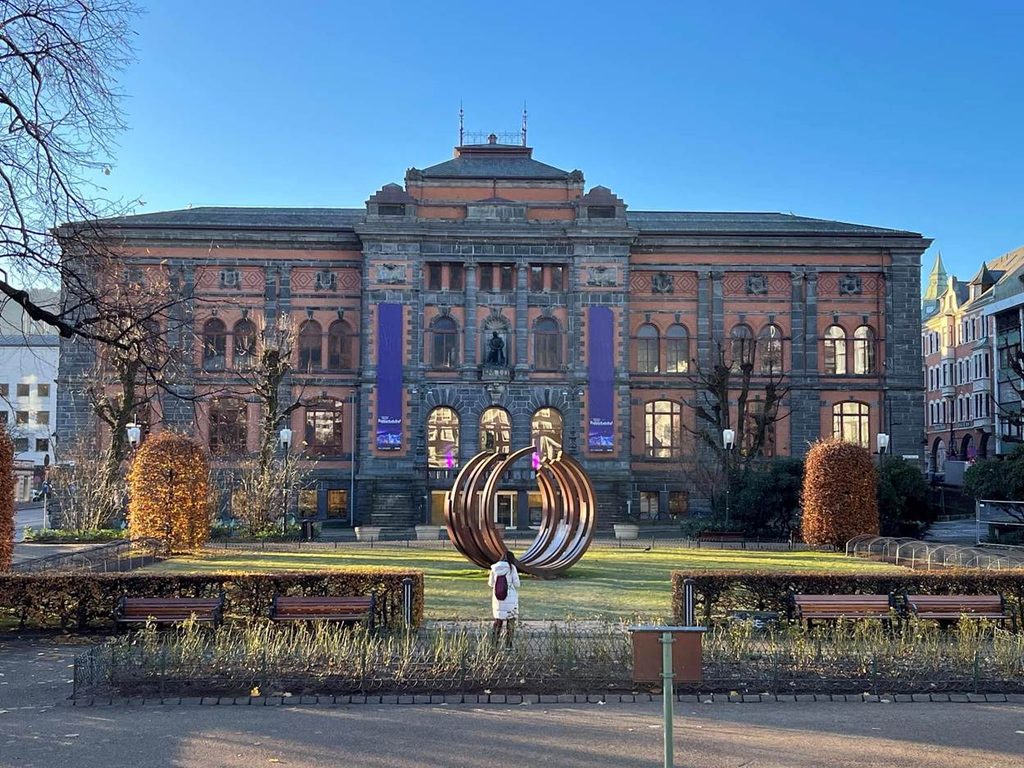
Miscellaneous bits from Bergen: a trio of lion statues along the wharf, schoolchildren all wear orange reflective vests as they walk around town, a gazebo in the town center, and a fancy building in the town center (I’m not sure if this is city hall or a hotel).
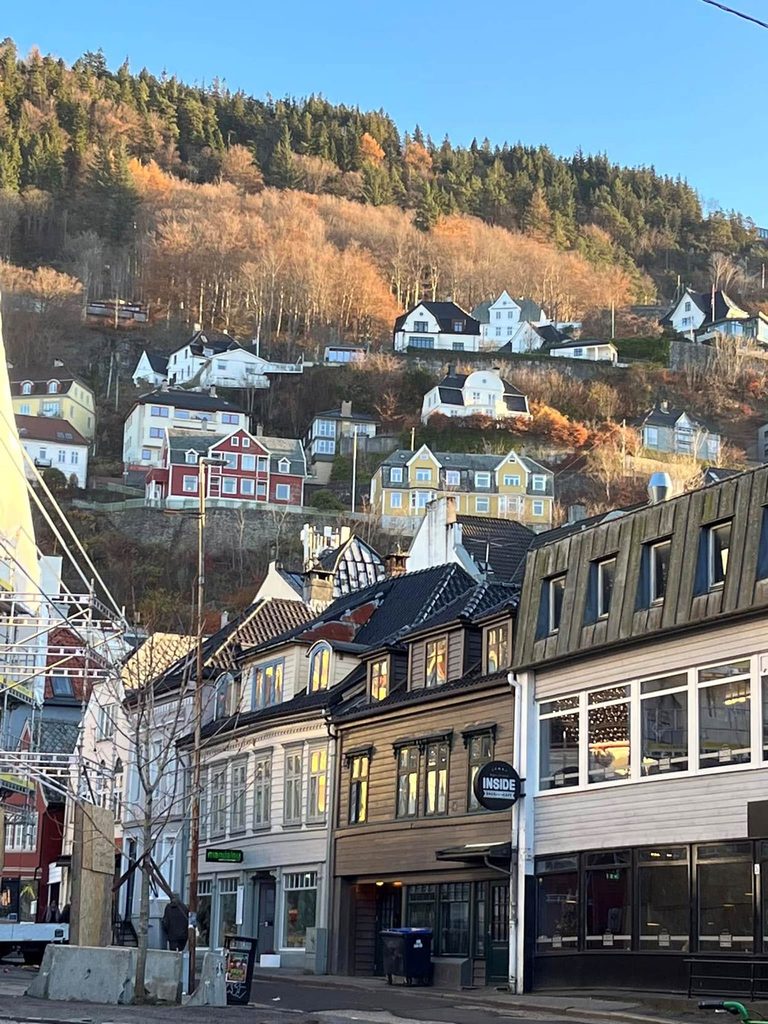
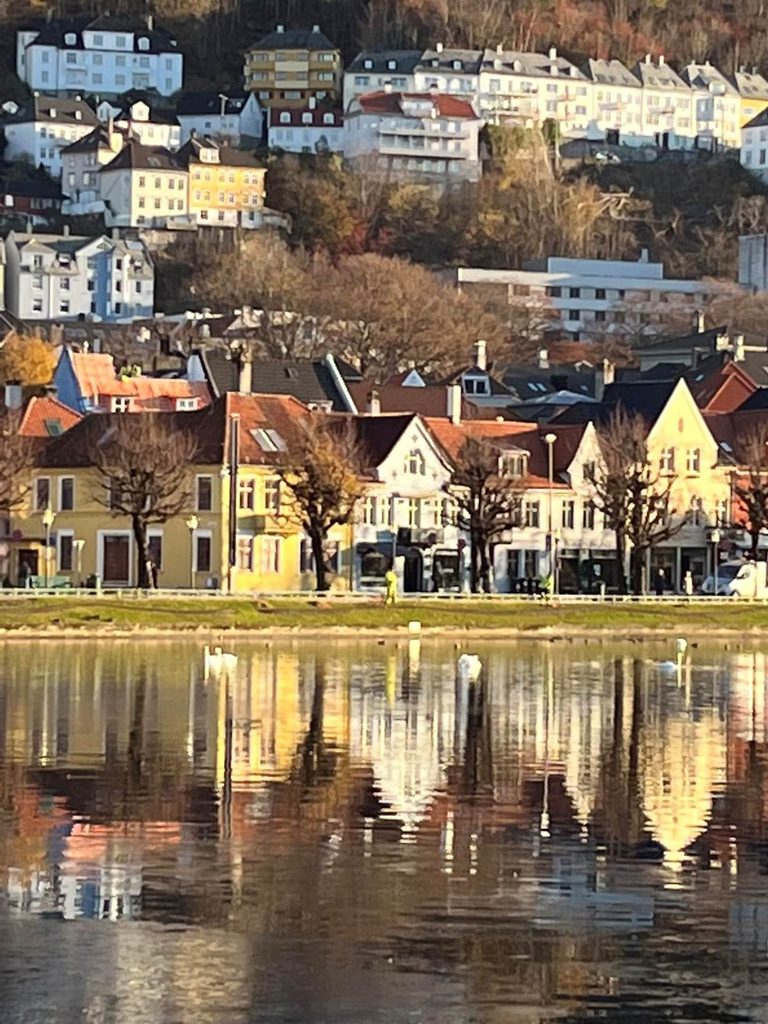
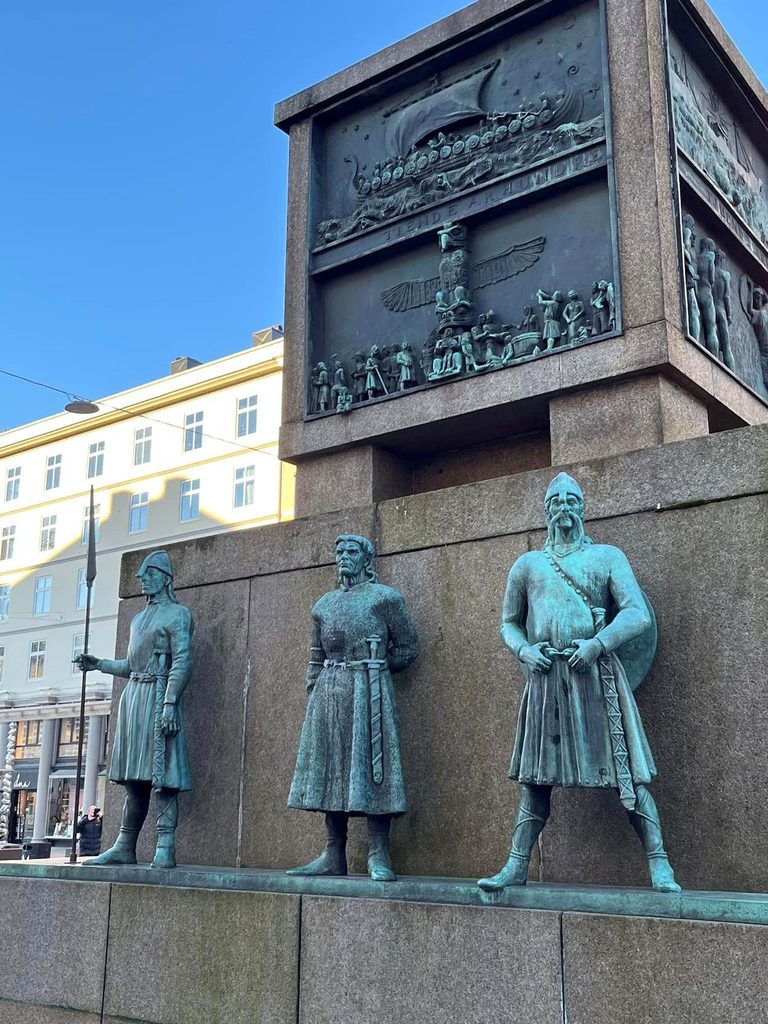
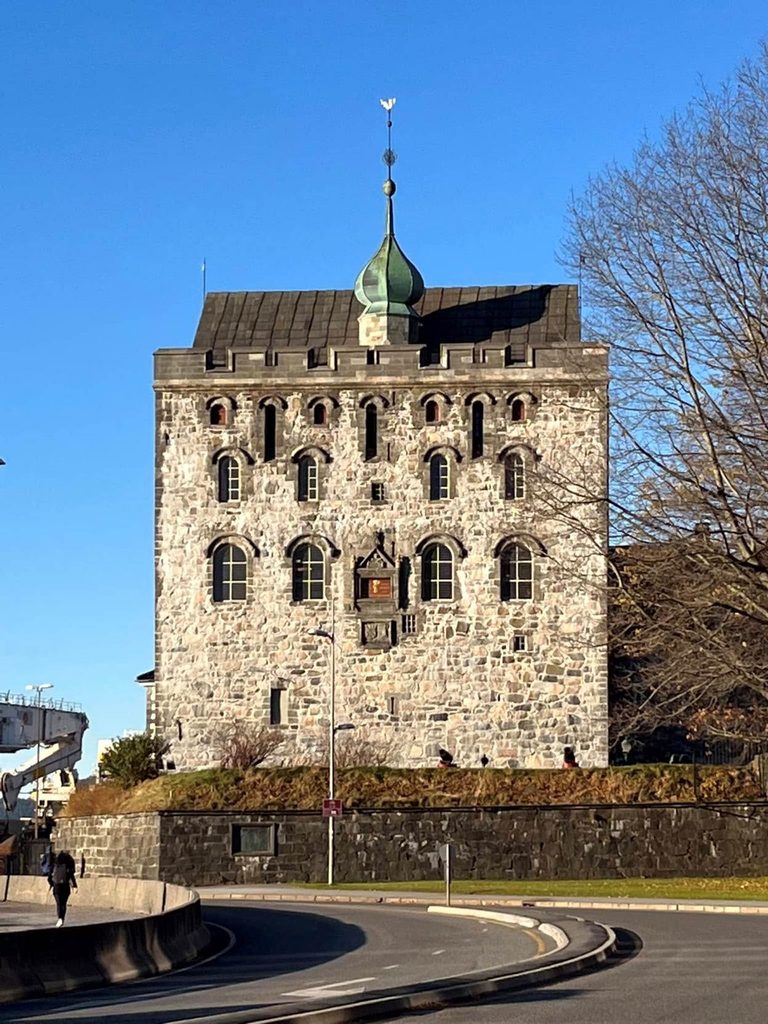
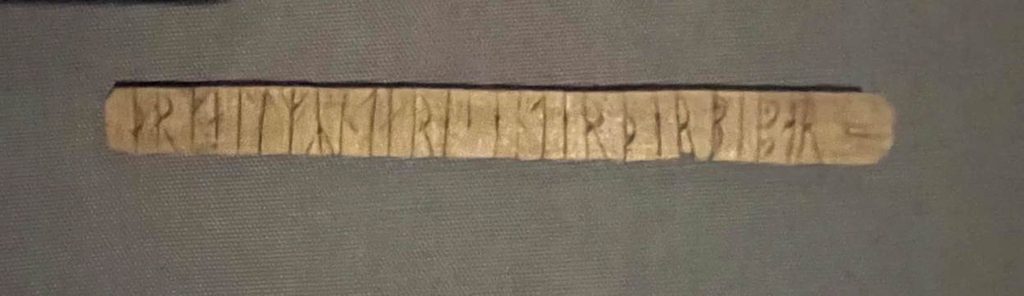
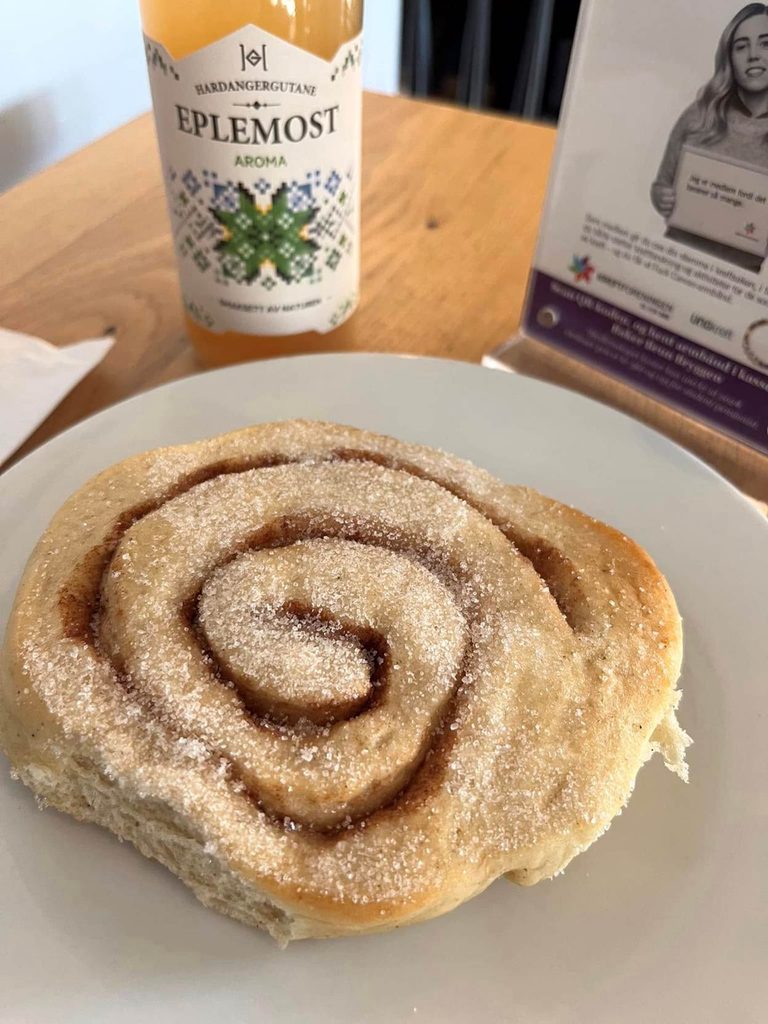
More miscellaneous views of Bergen: a city built on hills, houses reflecting in the water, the sailors’ monument (the side shown is from the Viking era), the 16th century Rosenkrantz Tower (part of the Bergenhus Fortress), a rune stick that says “Torkjell the mintner sends you pepper”, and Norway’s “skillingsboller” cinnamon buns. The Eplemost drink is unfermented apple juice.
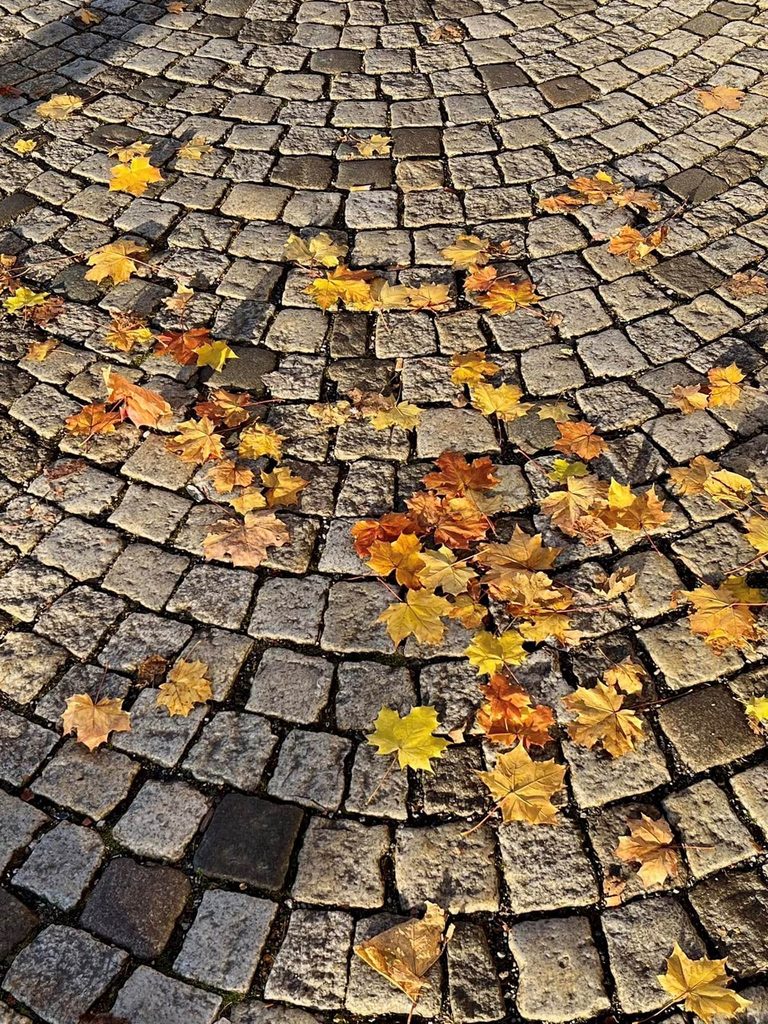
Autumn leaves on the cobblestones.
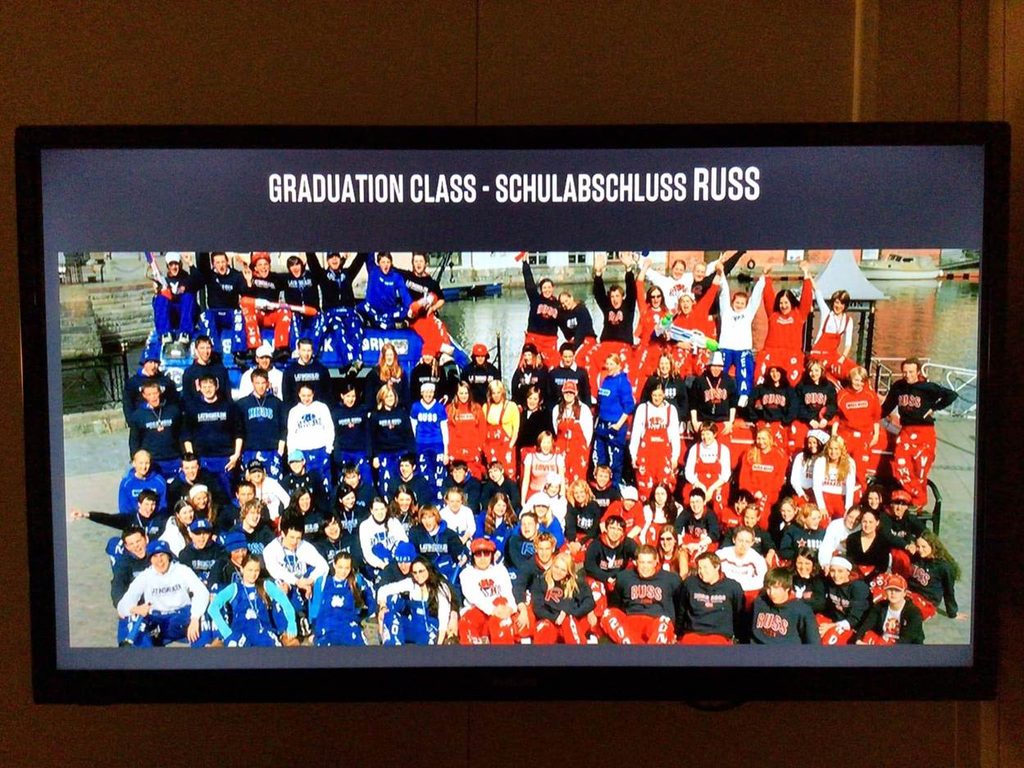
Back on the ship during our talk on Norwegian culture, we learned that Norwegian high schoolers follow either an occupational track (blue) or college prep track (red).
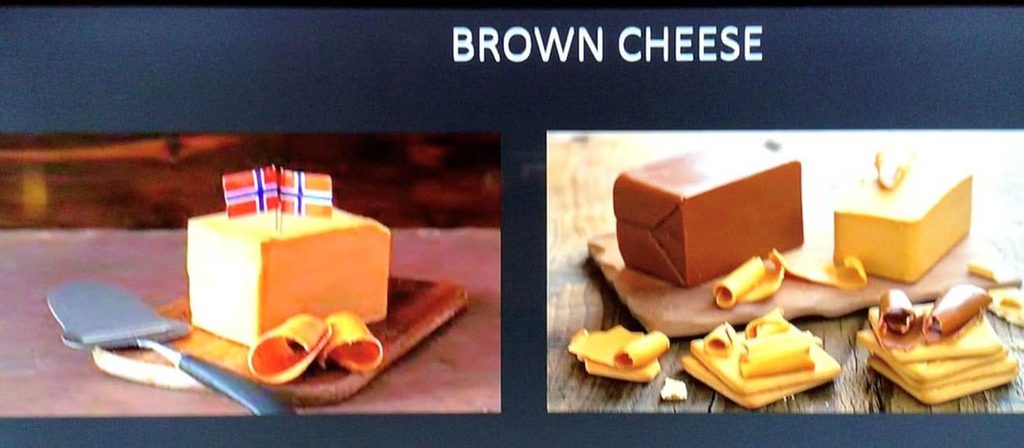
Brown cheese (known as brunost) is all about the whey, which is typically discarded in normal cheese-making. It’s slightly sweet and caramelized. We had some at the breakfast buffet this morning, and I’ll have to be on the lookout for more of it. You don’t see it often in the US, but nab it if you get a chance.
Tine, Norway’s largest dairy provider, claims that a whey-wielding milkmaid invented brown cheese in 1863. Anne Hov of the Solbråsetra farm in Gudbrandsdalen mixed a little cow’s milk and a little goat’s milk with a lot of whey and boiled the mixture until the water evaporated and the sugars caramelized, giving the cheese its signature dulce-de-leche color and flavor.
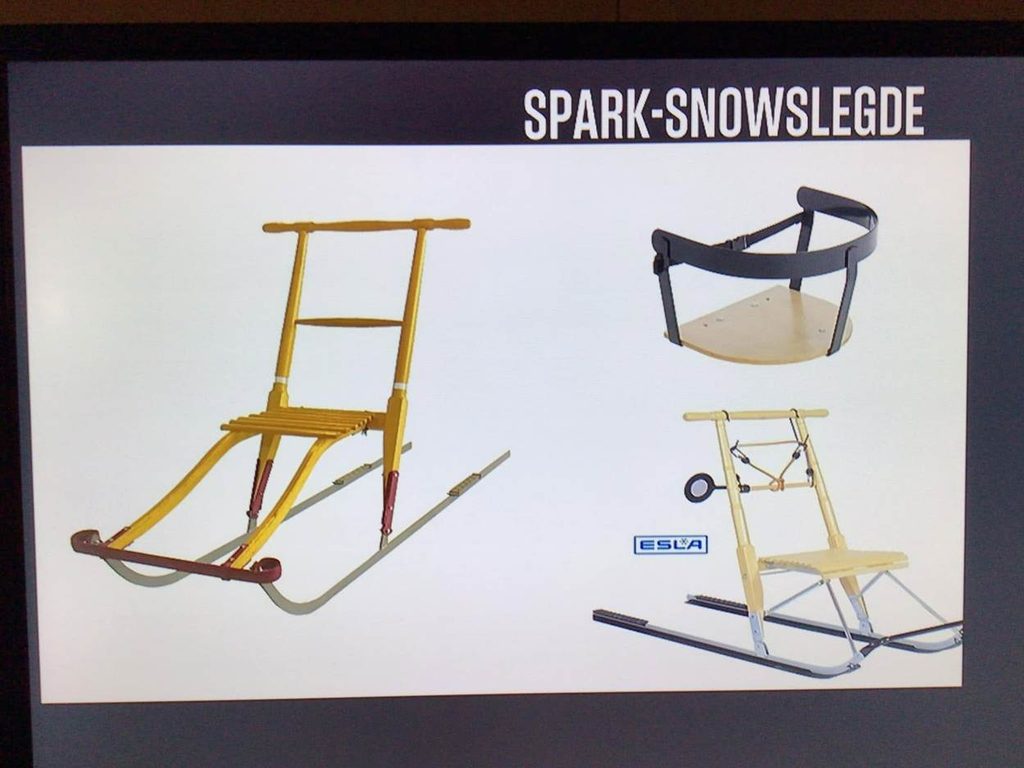
The snow sledge was useful transportation during Norwegian winters. The basket could be used to hold children, groceries, or even a snow plow. Its handle gives older folks help with stability. The presenter lamented that shoveled sidewalks have made these less useful than they used to be.
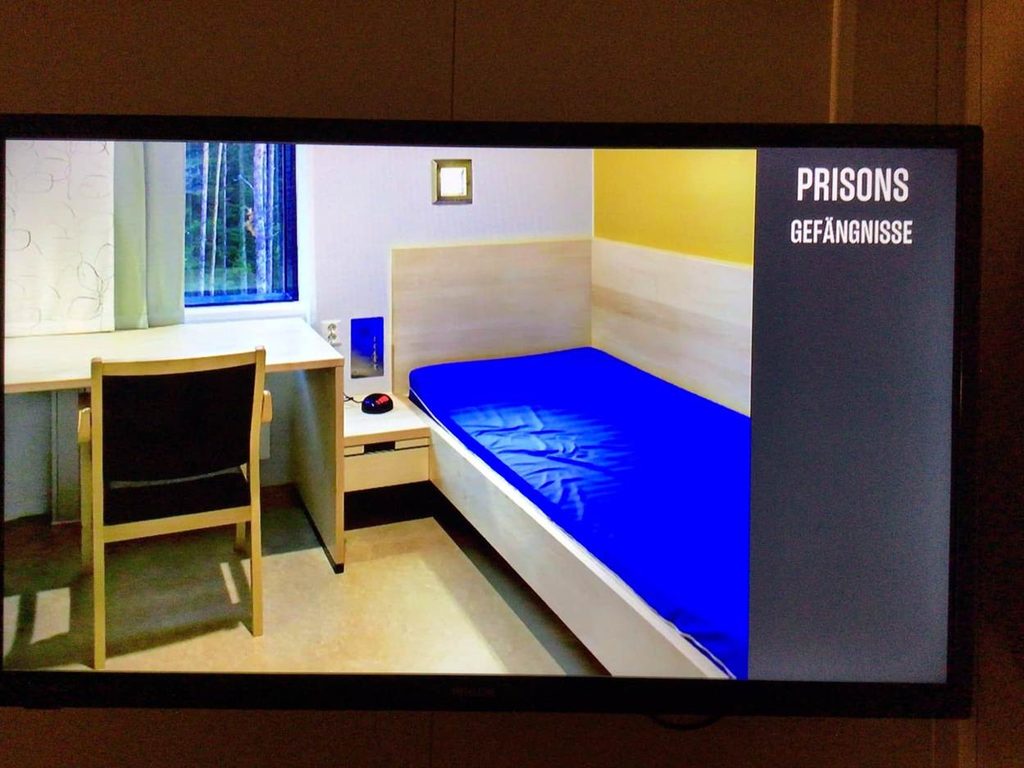
Norway has only one maximum-security prison for its 5.5 million population. Their focus is on rehabilitation. You can see that this prison cell is more dorm-like than prison-like.
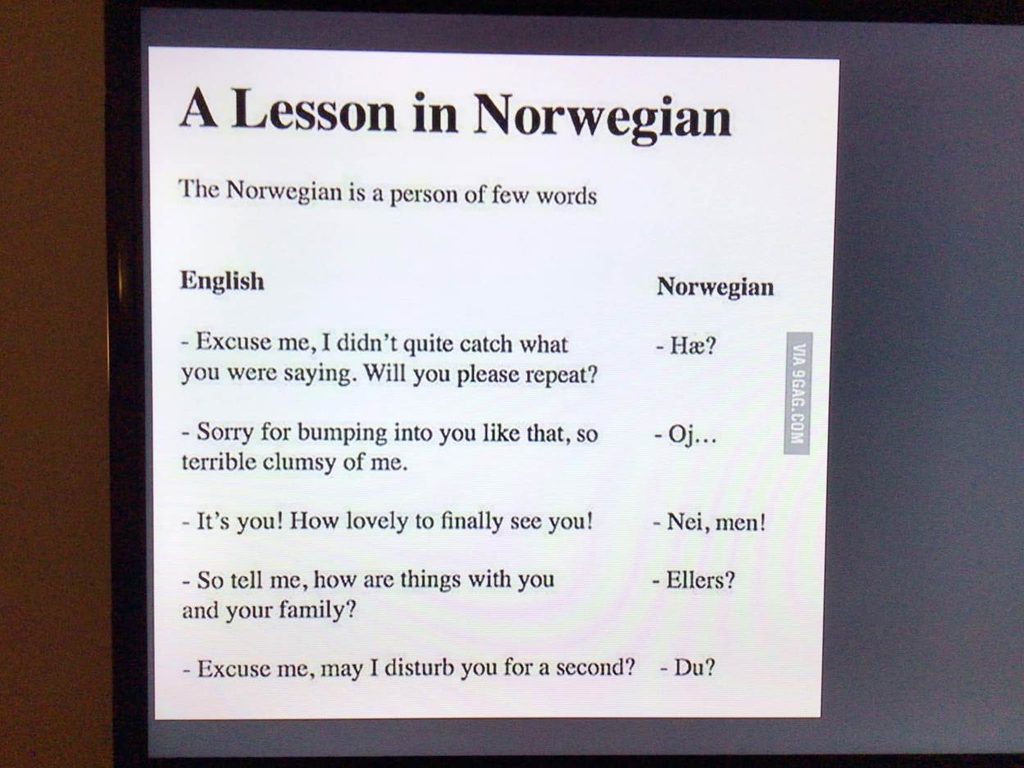
Our presenter teased that the Brits talk too much, that Norwegians can capture the same sentiment with only a syllable or two.
And thus ends day 4 aboard the MS Maude.