

Belgium operates as a hereditary constitutional monarchy. The king (currently King Phillippe) presides over the ceremonial functions of Belgium (similar to the functions of the British monarch), and he also has a role in affairs of state in a number of ways, such as appointing and dismissing ministers, submission of bills to the Federal Parliament, and managing international relations.
The Royal Palace of Brussels is the king’s workplace and the location where all official ceremonies of state take place. The Palace was built in three stages: the first section was constructed in the late 18th century when Belgium was ruled by the Austrian Habsburgs. The second section was constructed in the early 19th century, when the Netherlands still ruled Belgium. Belgium became independent in 1831. The third phase of the palace was built during the early 20th century.
The king works here, but he actually lives in the Castle of Laeken, which is also in Brussels. Since 1965, the Royal Palace is open to the public for six weeks during July and August while the Royal Family goes on summer vacation. We visited the Palace on the same day that we saw the Flower Carpet in the Grand Place.
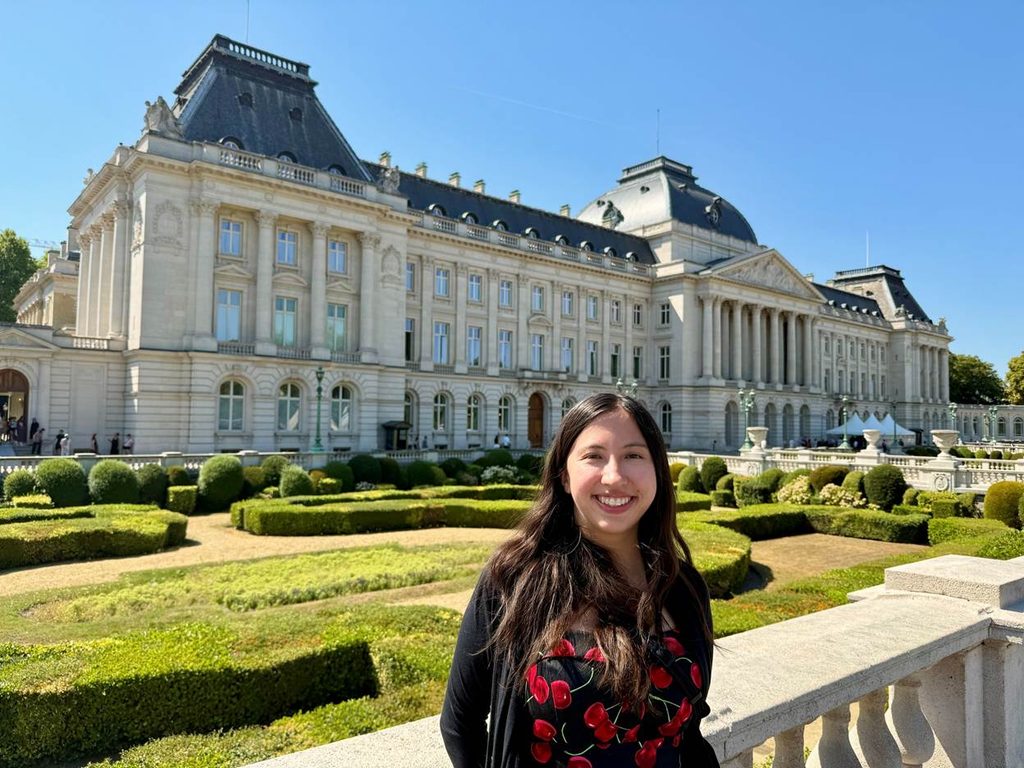
Shelly outside the Royal Palace.
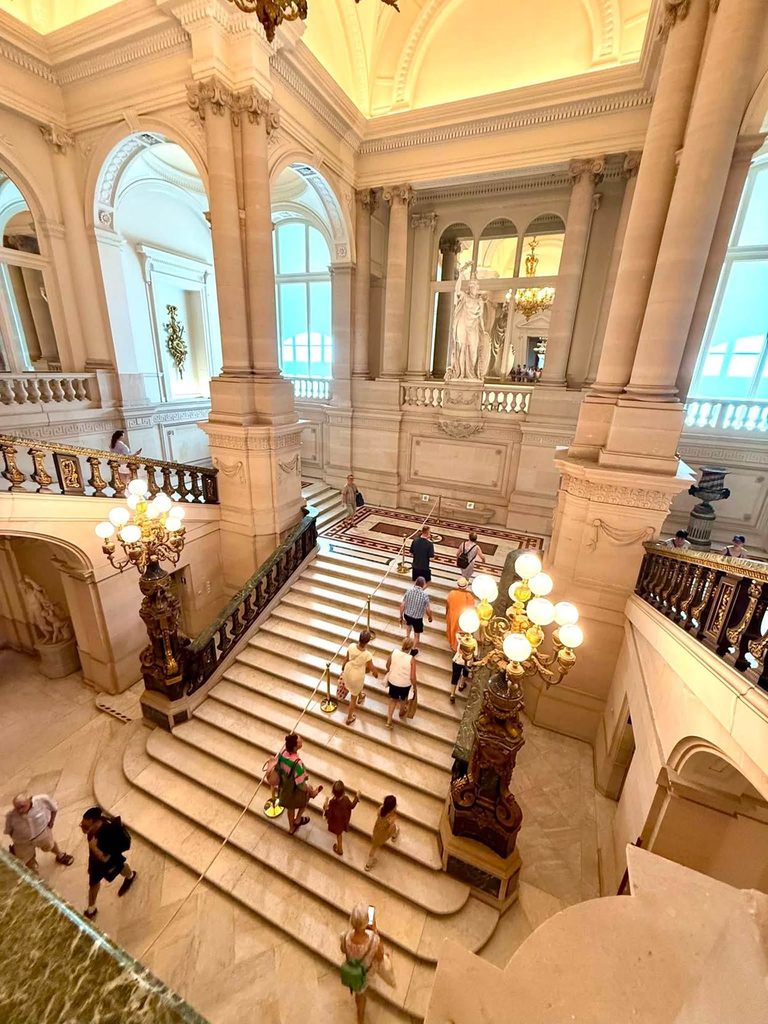
We entered through the Grand Staircase.
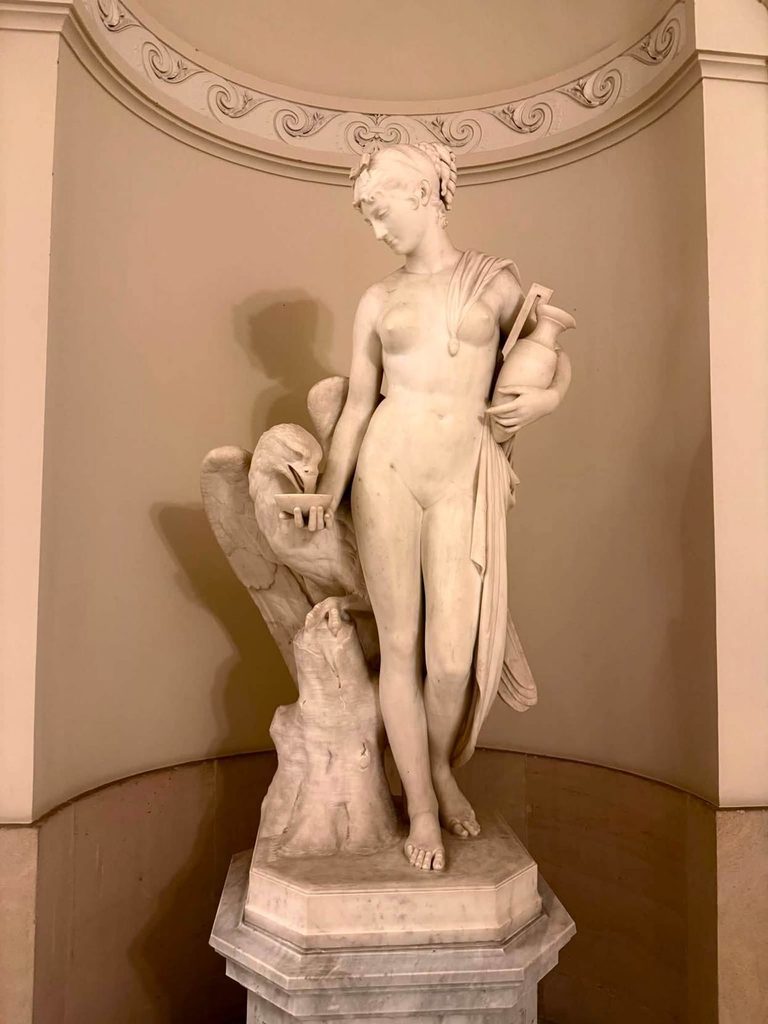
The vestibule and Grand Staircase hold a number of statues of Belgian royalty and mythological gods and goddesses. This statue is Hebe, a goddess symbolizing eternal youth.
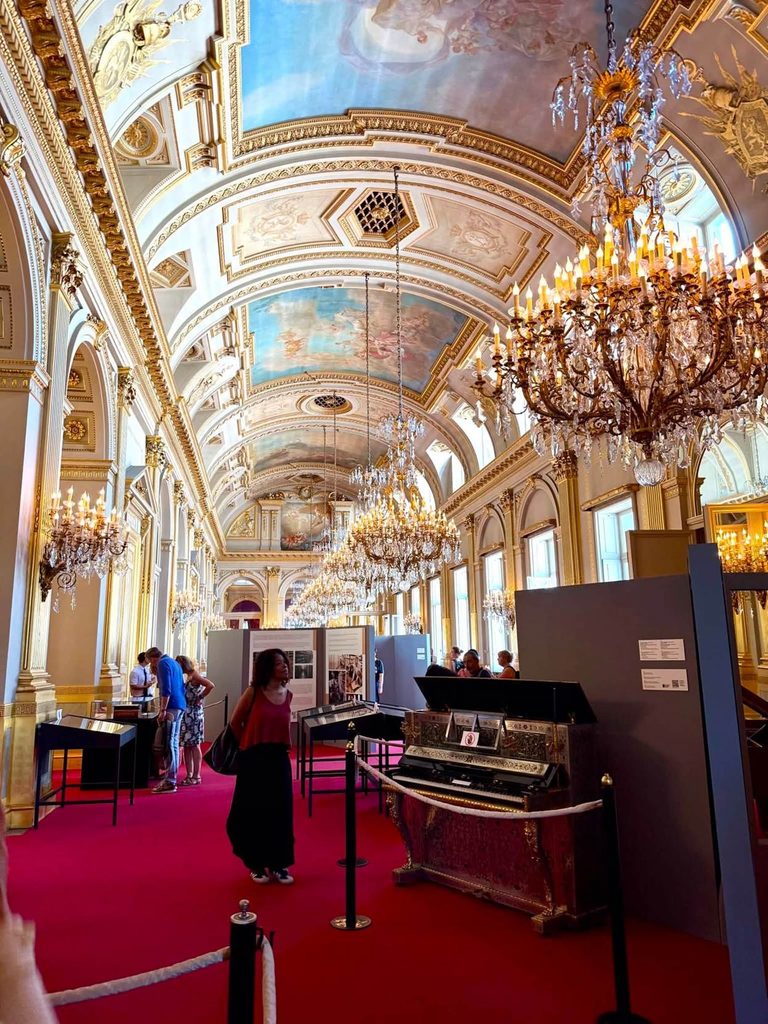
This is the Long Gallery, unfortunately marred by the presence of intrusive exhibit boards. It’s used for receptions and dinners that cater to numerous guests. The ceiling paintings show the various phases of the day from dawn to dusk. King Philippe and Queen Mathilde celebrated their wedding here in 1999.
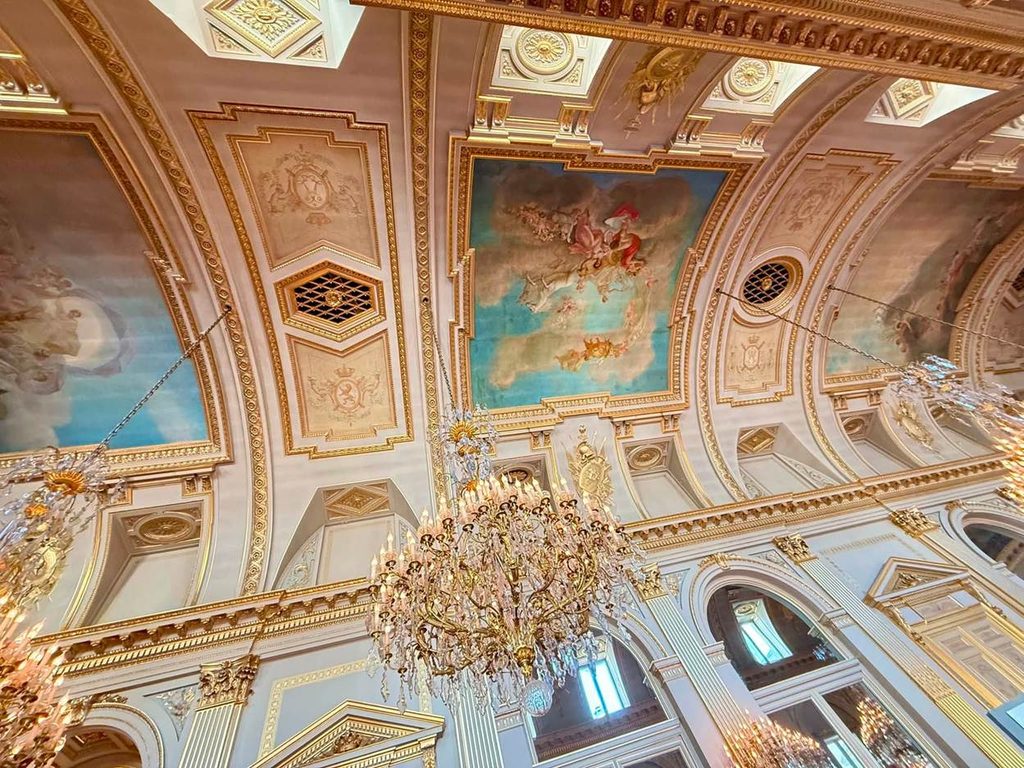
A closer look at some of the ceiling paintings.
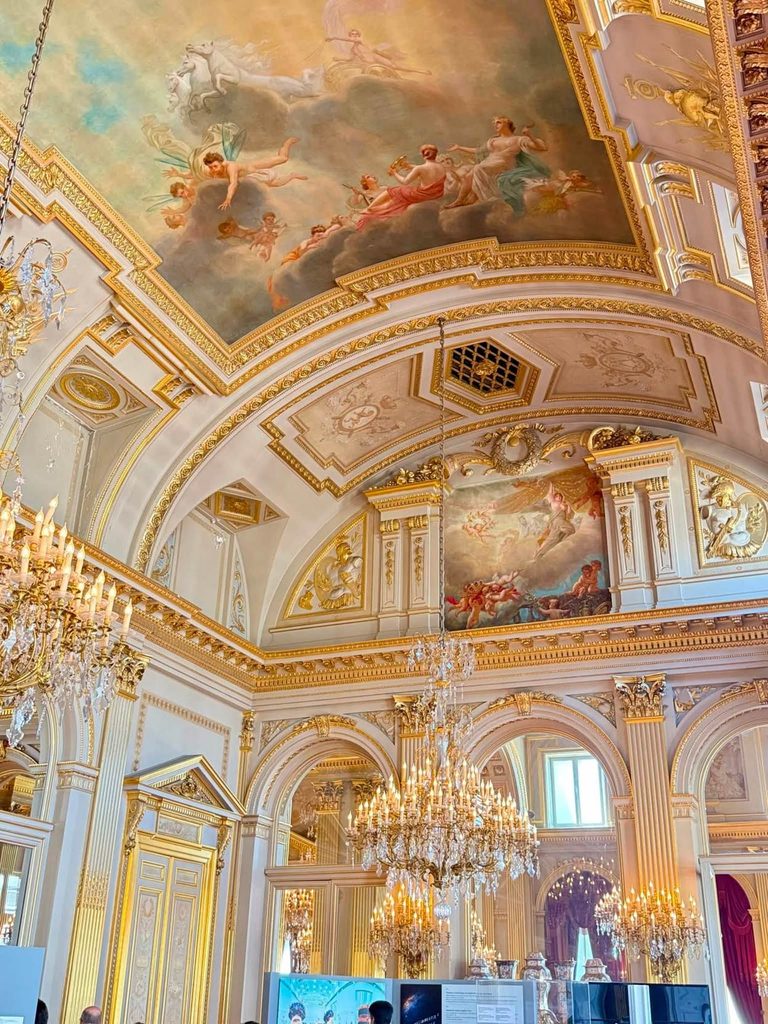
More of the Long Gallery
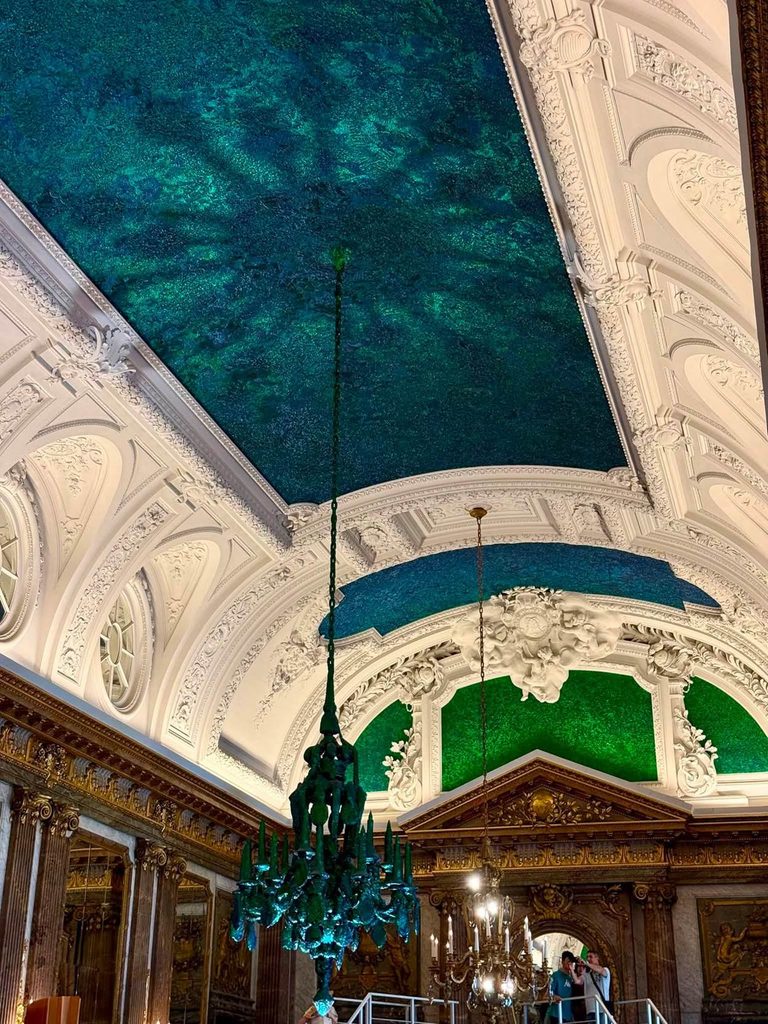
This is the ceiling of the Hall of Mirrors. The room has an interesting history. King Leopold II intended to create a dedicated Belgian Congo room. The walls are adorned with copper instead of gold because the Congo produced copper ore. However, construction of the room halted after King Leopold’s death and his son, King Albert I, had other ideas. In 2002, the ceiling and one of the chandeliers were clad with the wing cases of nearly 1.5 million jewel-scarab beetles. The Hall is used for official receptions, and foreign ambassadors are received here.
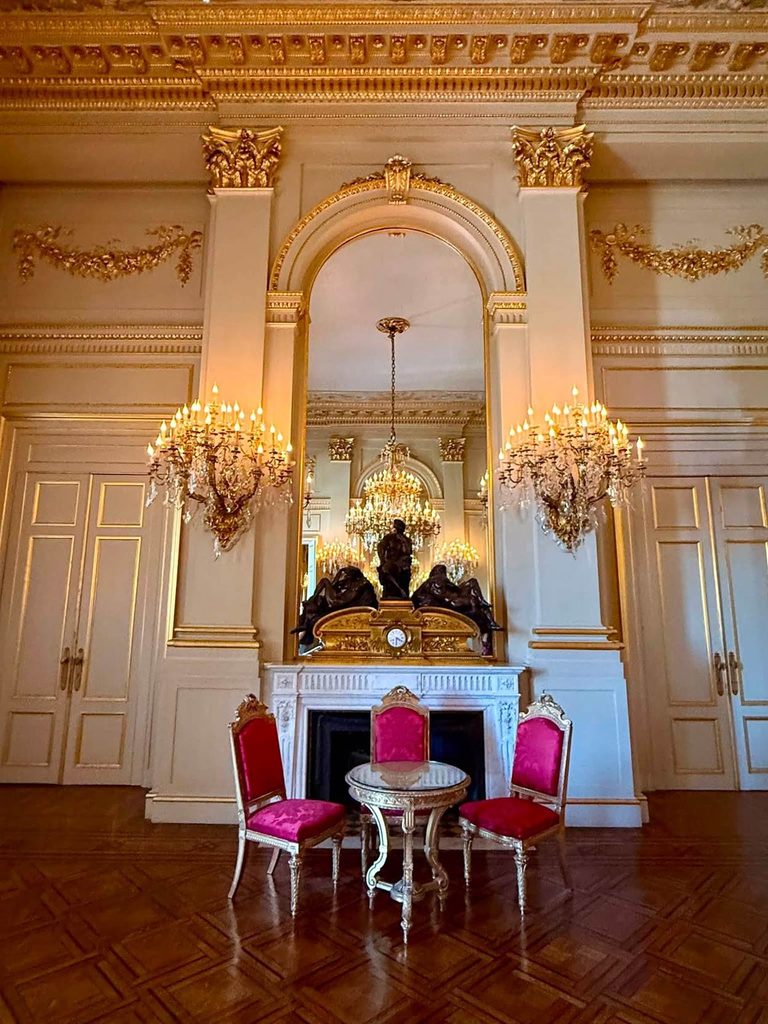
This is the Il Pensieroso room, sometimes called simply the Square Room. The clock on the fireplace is known as Il Pensieroso.
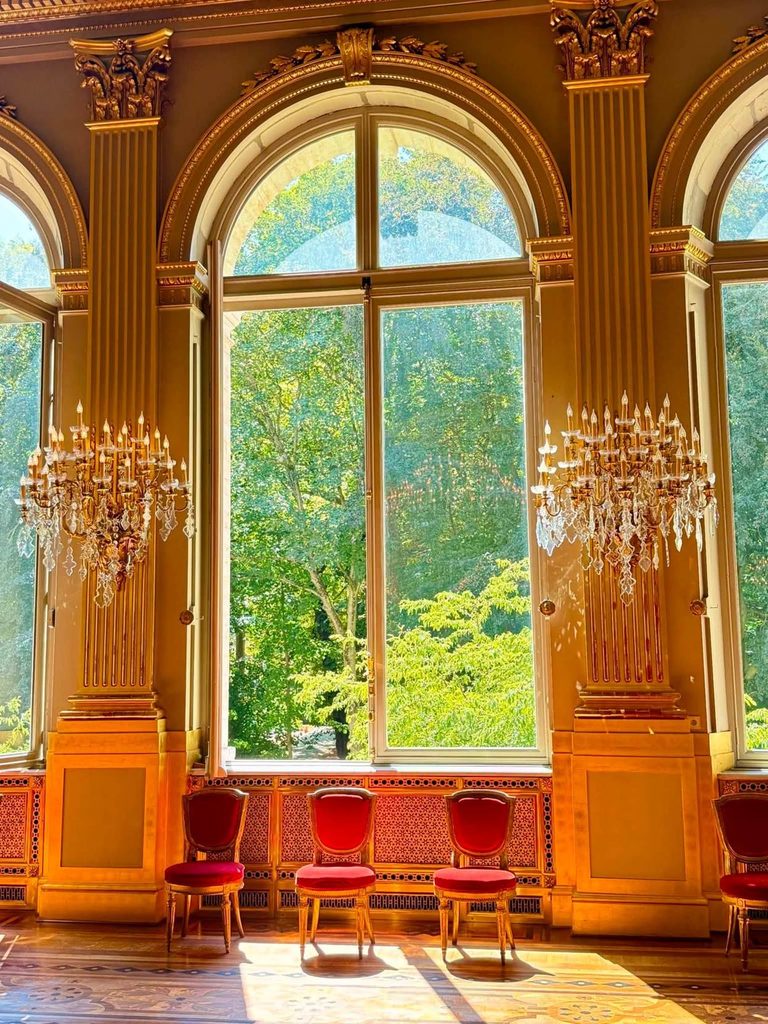
There are peaceful gardens outside the Palace.
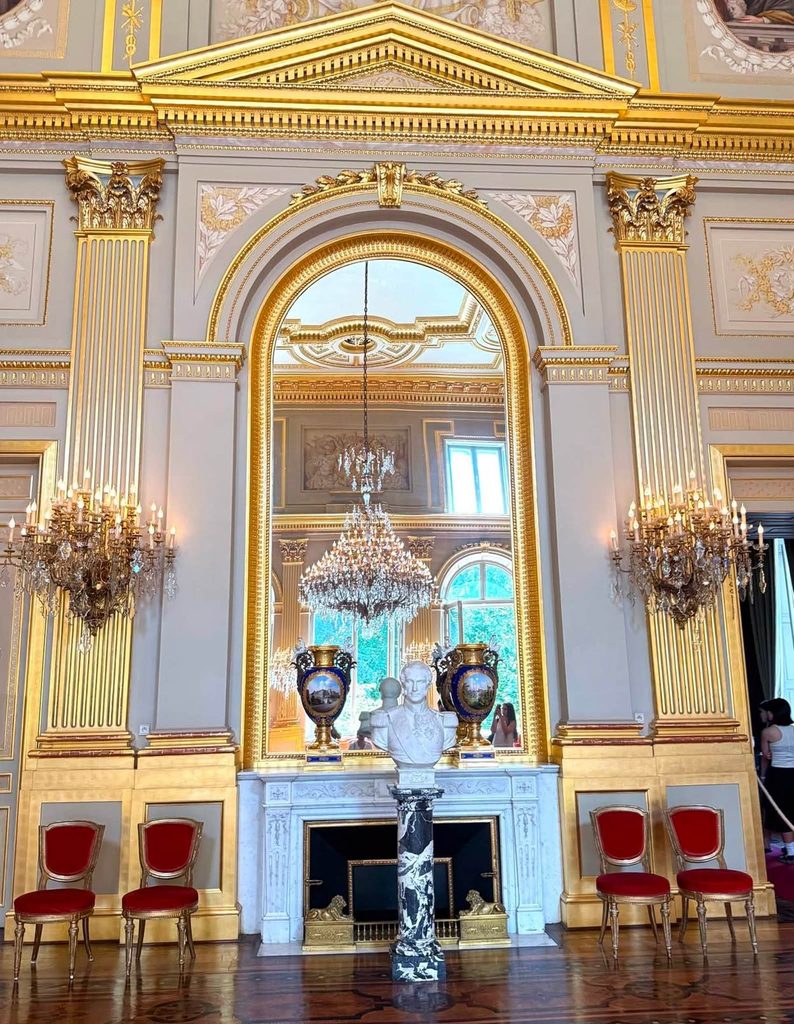
I think this is the small White Drawing room
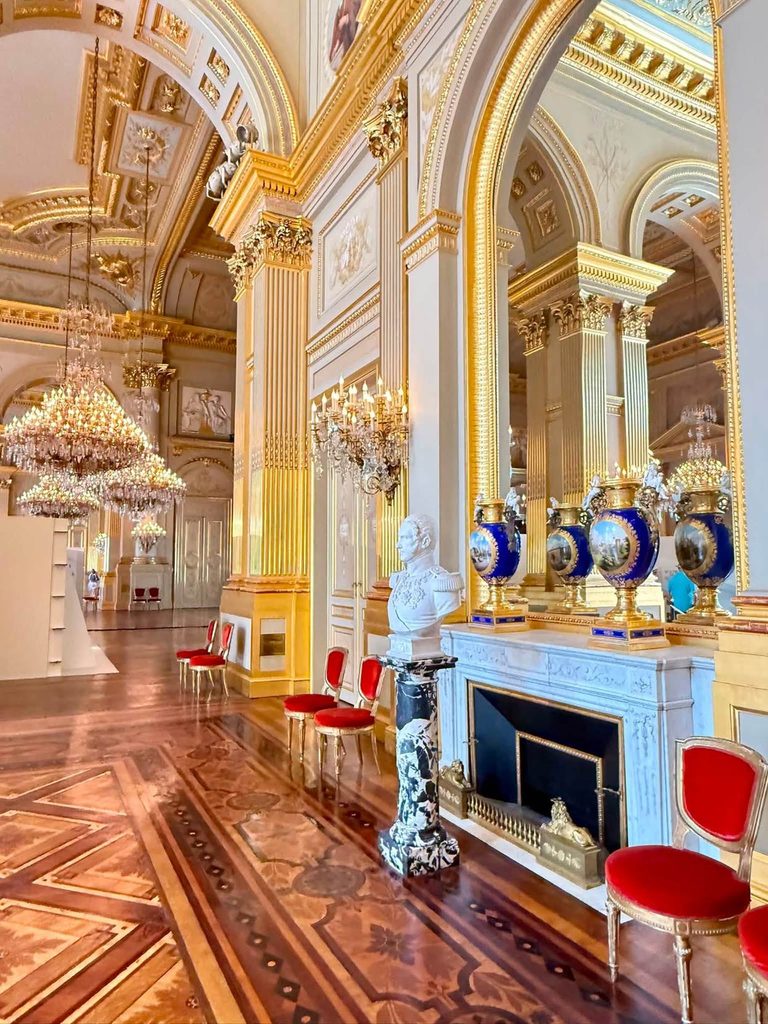
And this is the Large White Drawing Room. Both drawing rooms are official reception areas.
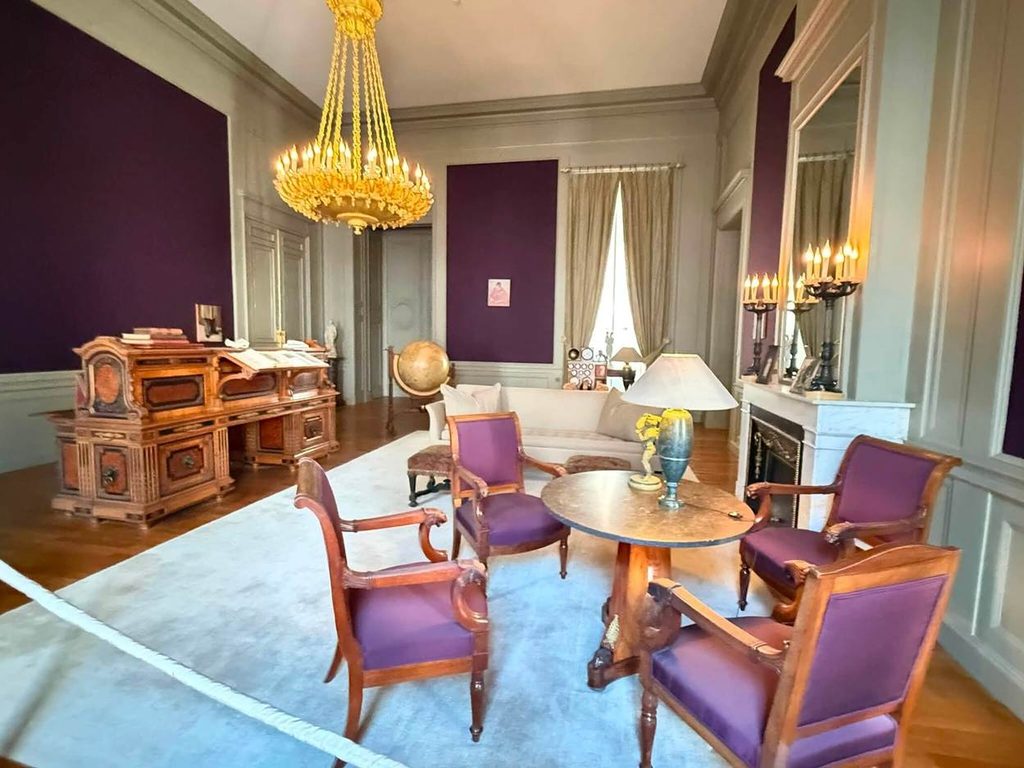
This was originally King William I’s audience chamber but is now called the Marshall’s room (marshals are court dignitaries). The globe dates from 1909 and stood in King Albert I’s study, as did the cylinder desk.
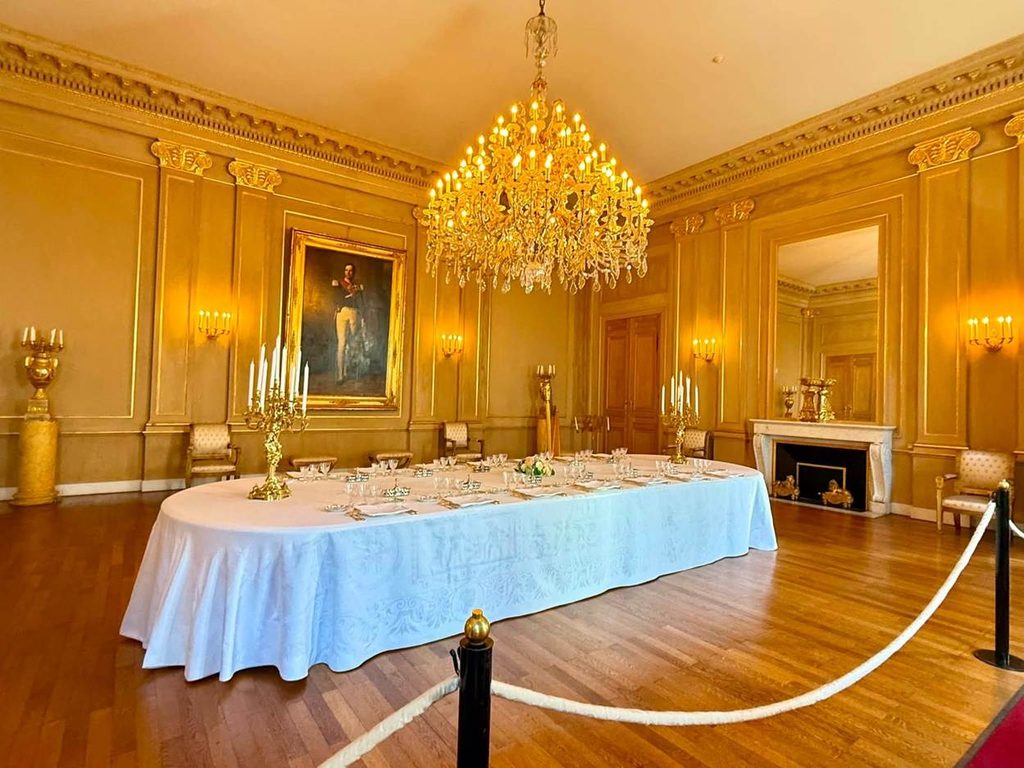
Known as the Pillar Room, this was originally an anteroom for audiences with King William I. It later became a dining room for court dignitaries. The portrait on the wall is of King Leopold I and dates from 1846. It’s hard to see from this angle, but there’s a harp underneath the chandelier that was played by Queen Louise-Marie, the first queen of Belgium.
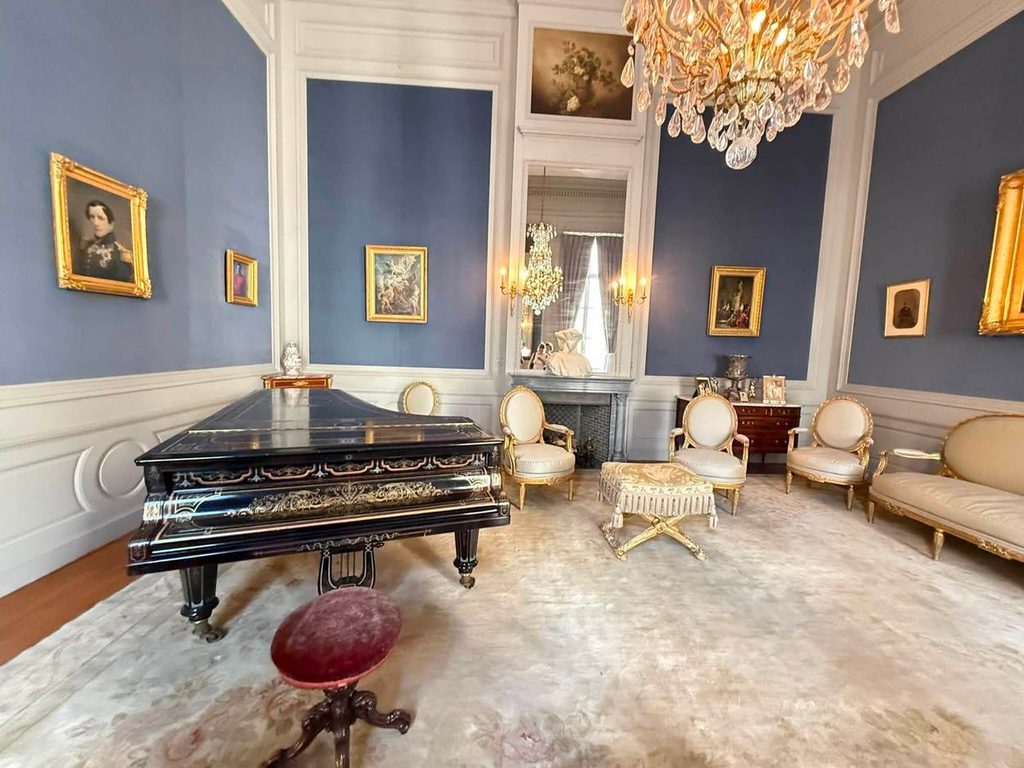
The Louis XVI Room holds paintings from King Leopold I’s personal art collection. The piano originally belonged to King Albert I’s parents and is ebony inlaid with copper, mother-of-pearl, rosewood, and tortoiseshell.
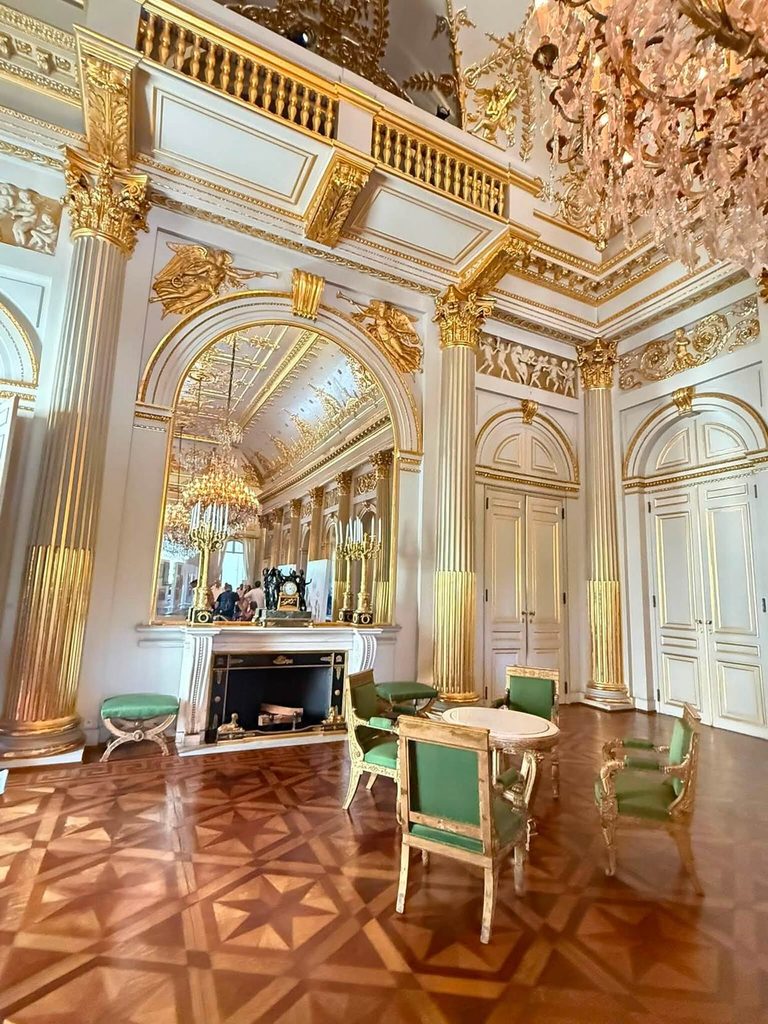
I believe this photo comes from the Throne Room, which had so many obstacles it was hard to take any photos.
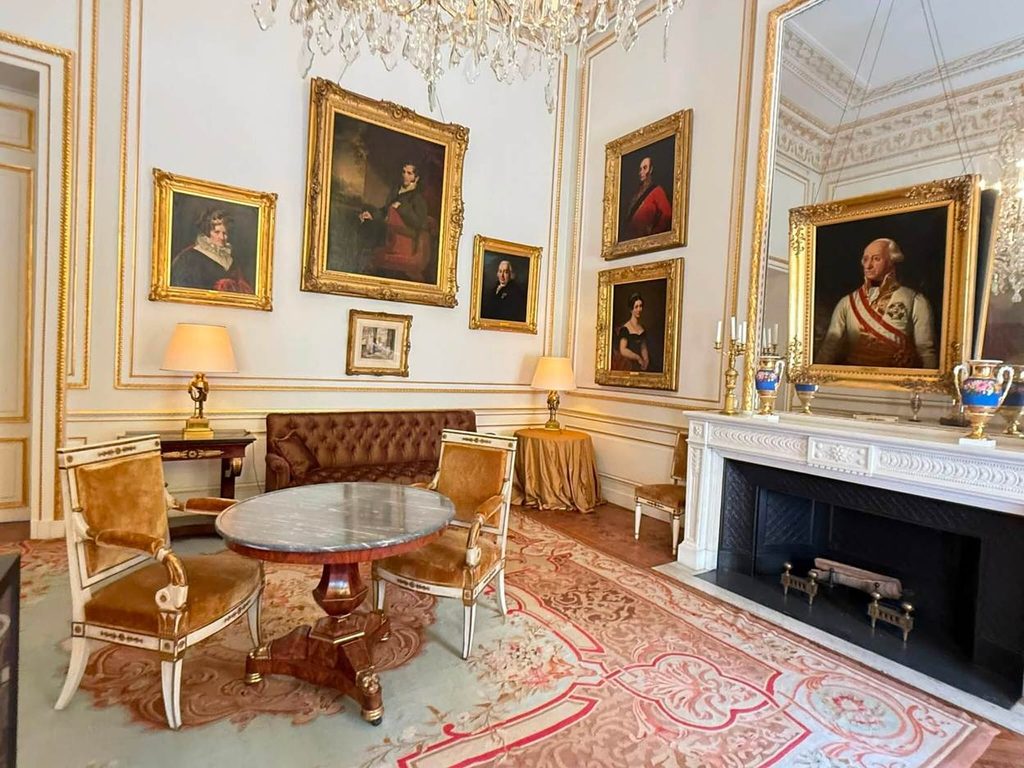
The Coburg Room shows off portraits of King Leopold I and his Coburg relatives. King Leopold was originally Coburg nobility (now German Bavaria) before he became the first king of Belgium. The large portrait on the wall is of King Leopold himself.
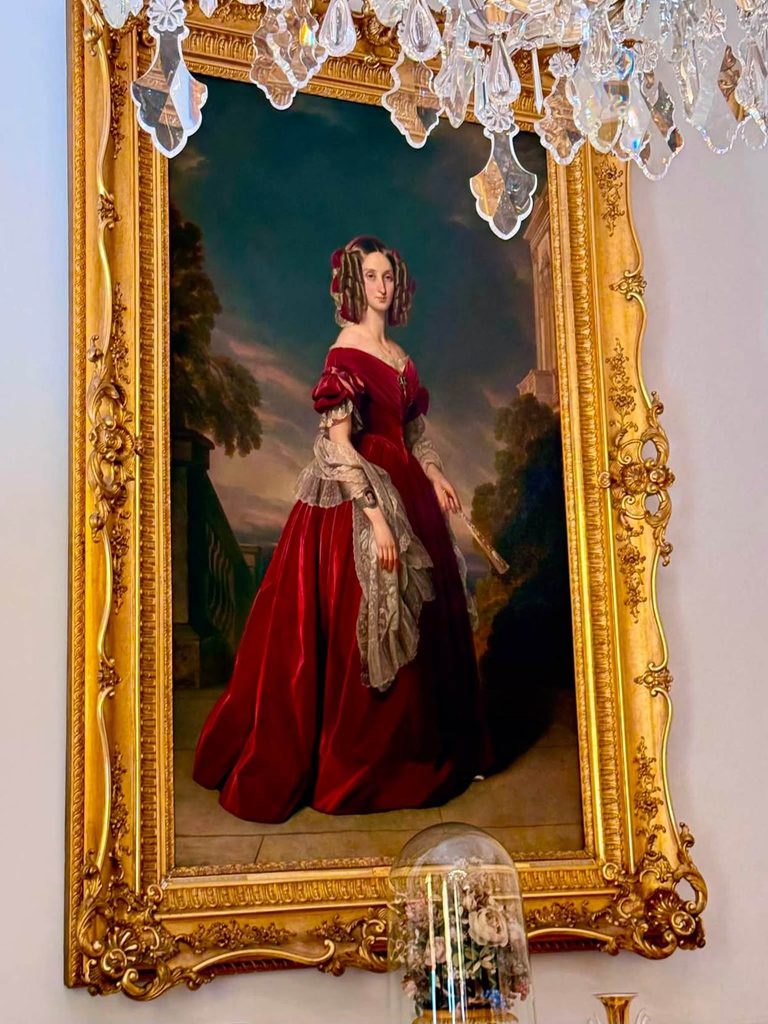
A portrait of Queen Louise-Marie, the first queen of Belgium. Speaking of queens, Belgium amended its constitution so that the eldest child of the monarch — no matter whether that child is male or female — will eventually ascend the throne. Therefore, Princess Elisabeth, Duchess of Brabant, will become the first ruling Queen of Belgium after her father, King Phillippe.
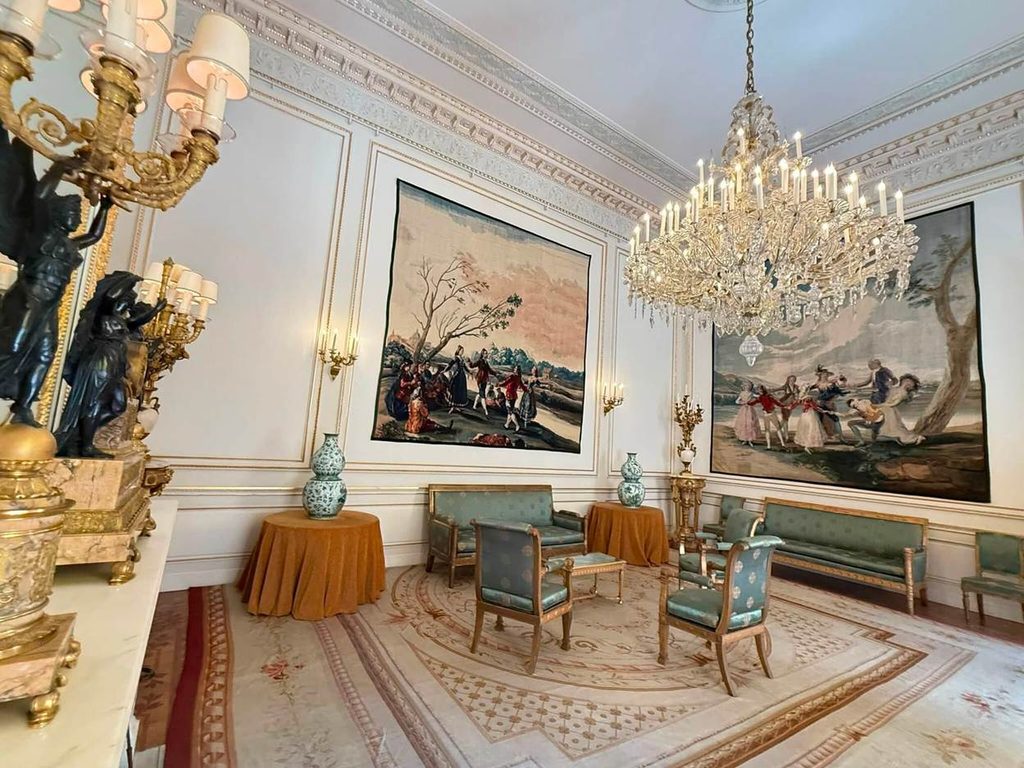
The small white drawing room
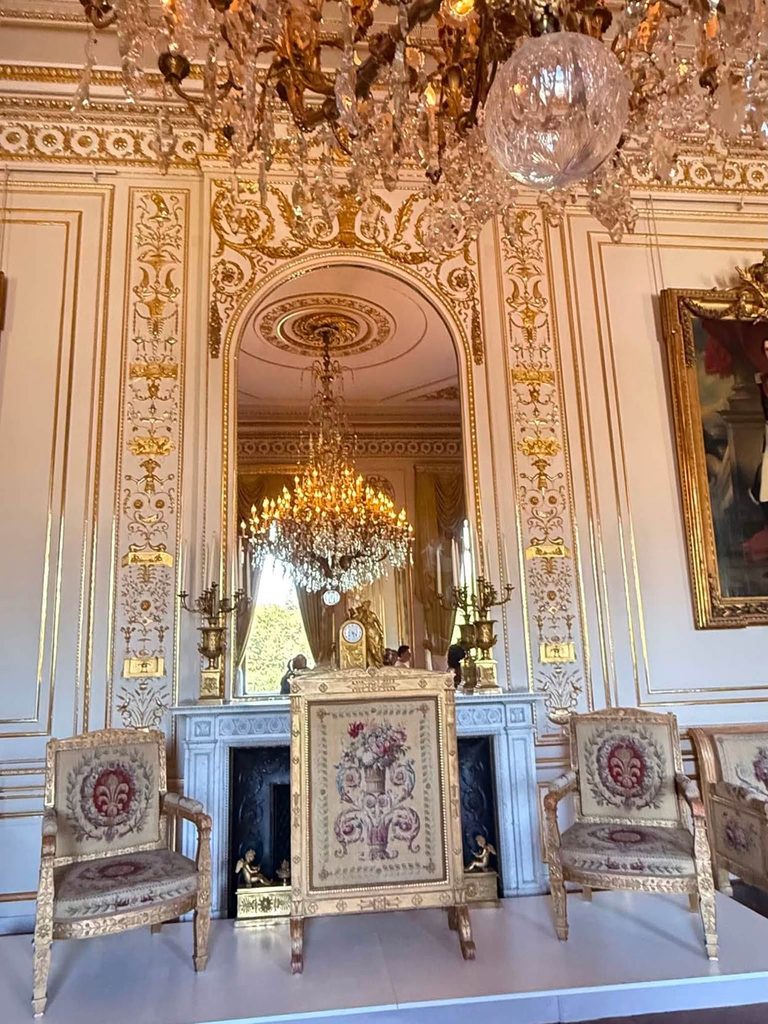
The large White Drawing room
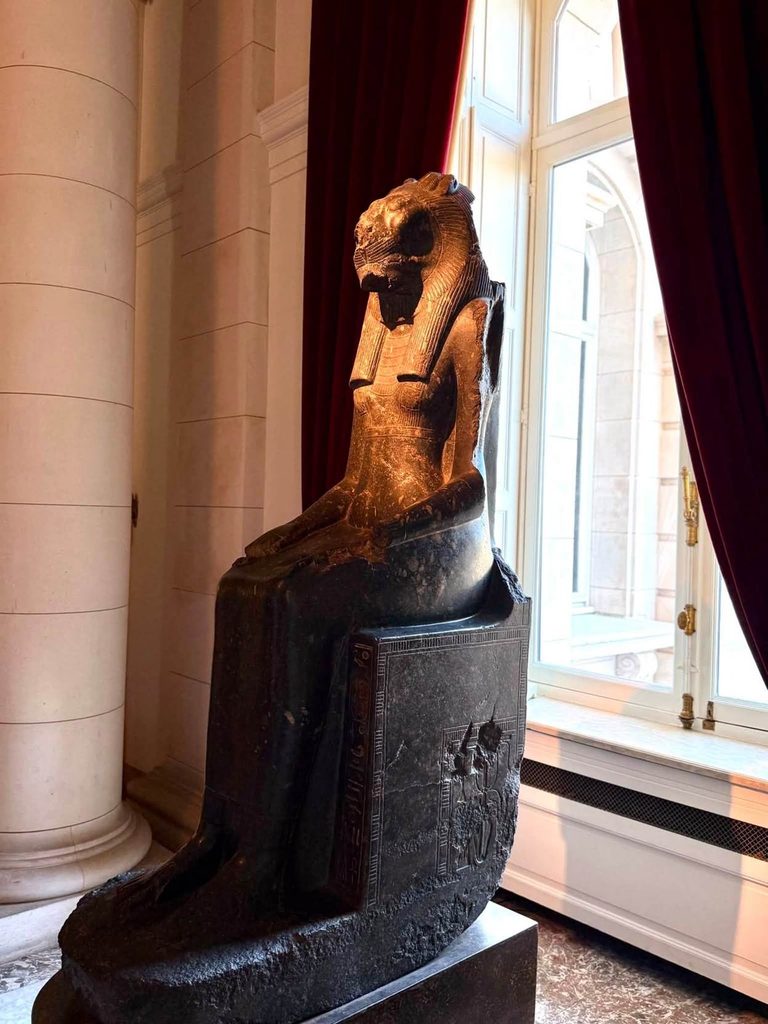
And just before visitors exit through the Ceremonial Entrance, we find a statue of Egyptian goddess Sekhmet.
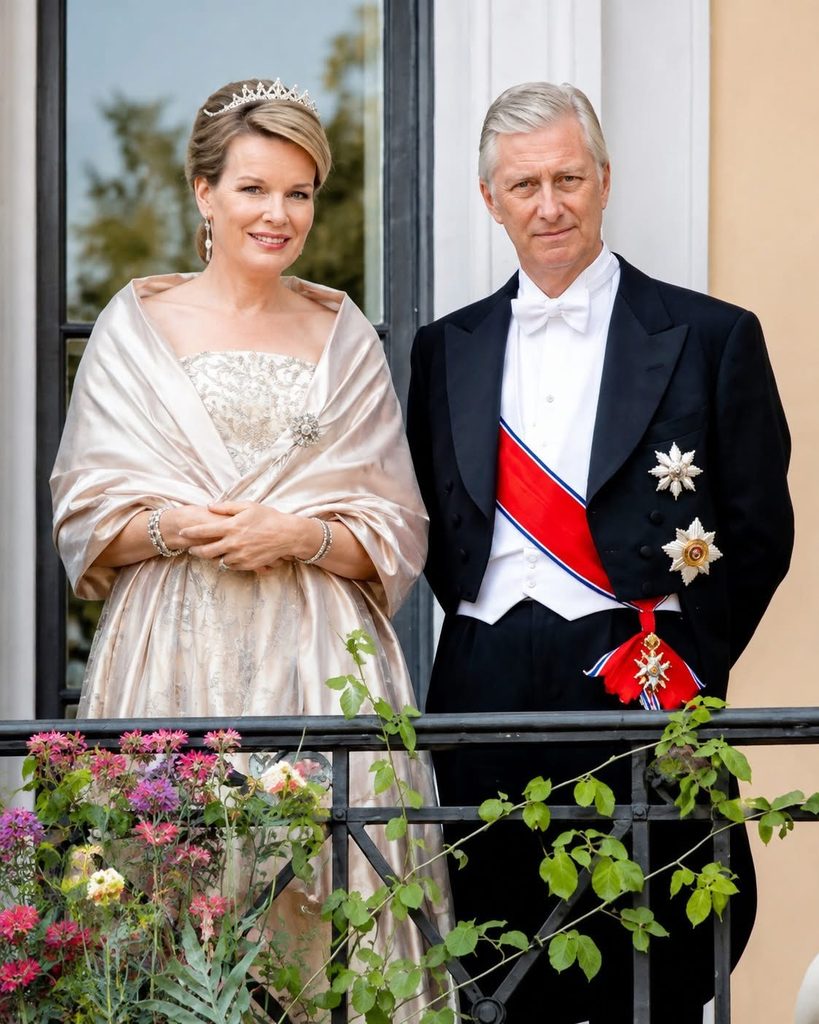
And here’s the Royal Couple: King Phillippe and Queen Mathilde.
The Royal Palace is located at Paleizenplein – Place des Palais in Brussels. Timed admission tickets are 10 euros each.
August 14, 2026