

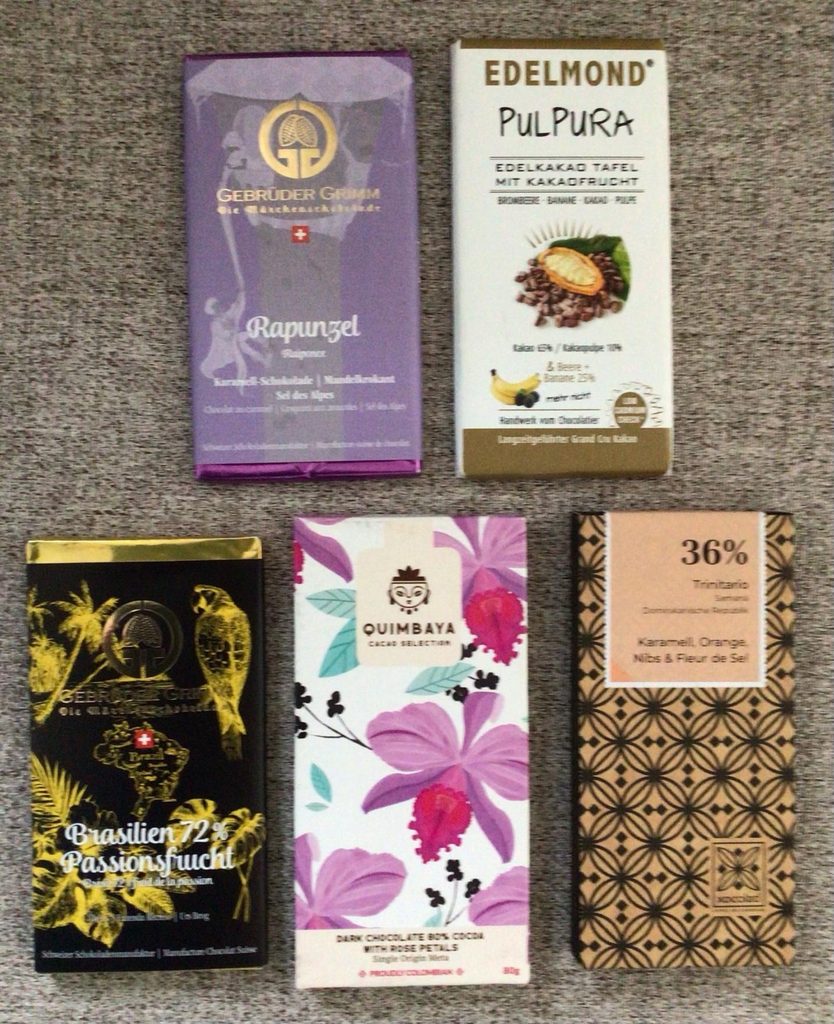
While on a weekend trip to Switzerland, Rachelle came back with five Swiss chocolate
bars. Most of these are made by small bean-to-bar chocolatiers who import raw cacao
beans directly from sustainable farmers and do all of the roasting, shelling, and grinding
process themselves instead of allowing a third party to do the unglamorous work for
them.
Our next step was to become self-appointed chocolate critics! To make the chocolate last as long as possible, we sampled one piece per day, from a different bar each day.
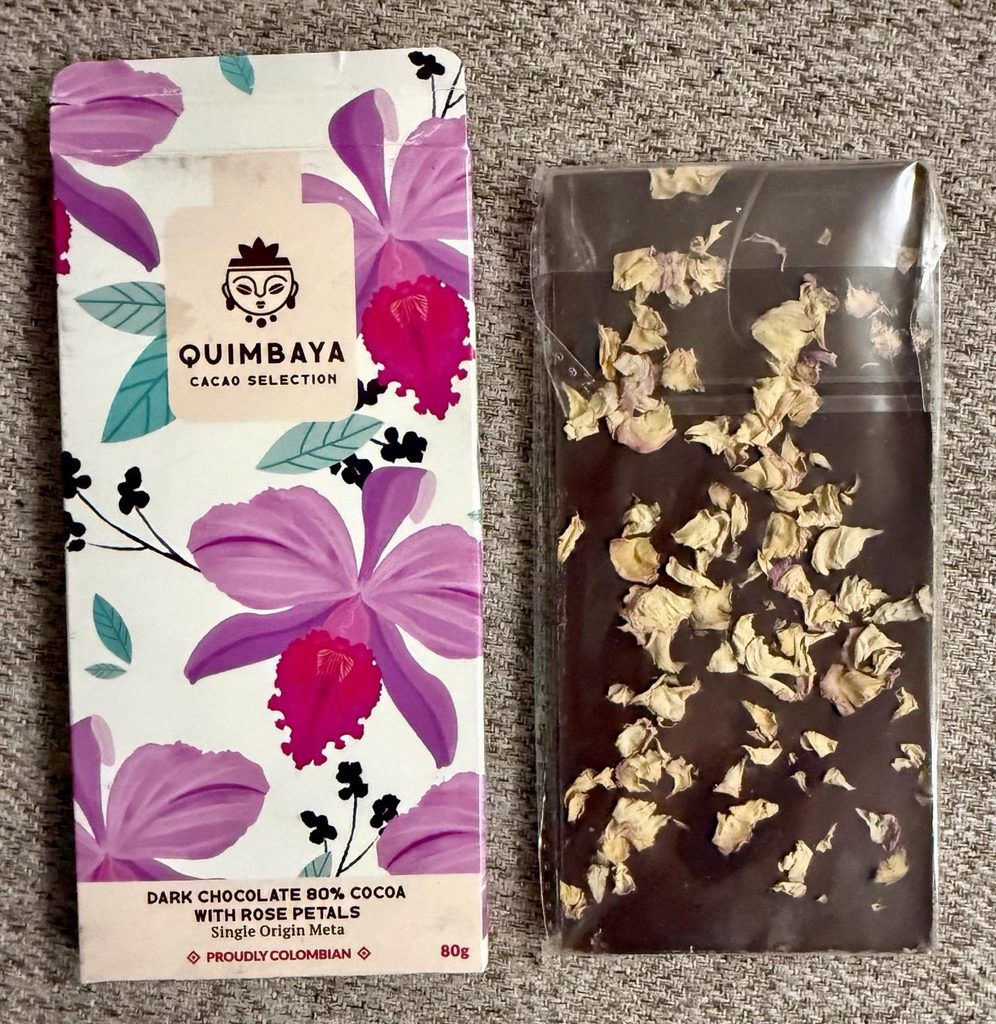

Rachelle bought this rose-chocolate bar for me because she knows I enjoy rose-
flavored things. This Quimbaya bar is a Swiss chocolate with beans sourced from
Colombia. It promised to be a dark 80% chocolate with rose petals. As you can see
from the photo, they meant their rose petals quite literally! We found the 80% chocolate
to be too bitter for our taste plus it overwhelmed what little rose flavoring we could
discern in the bar.
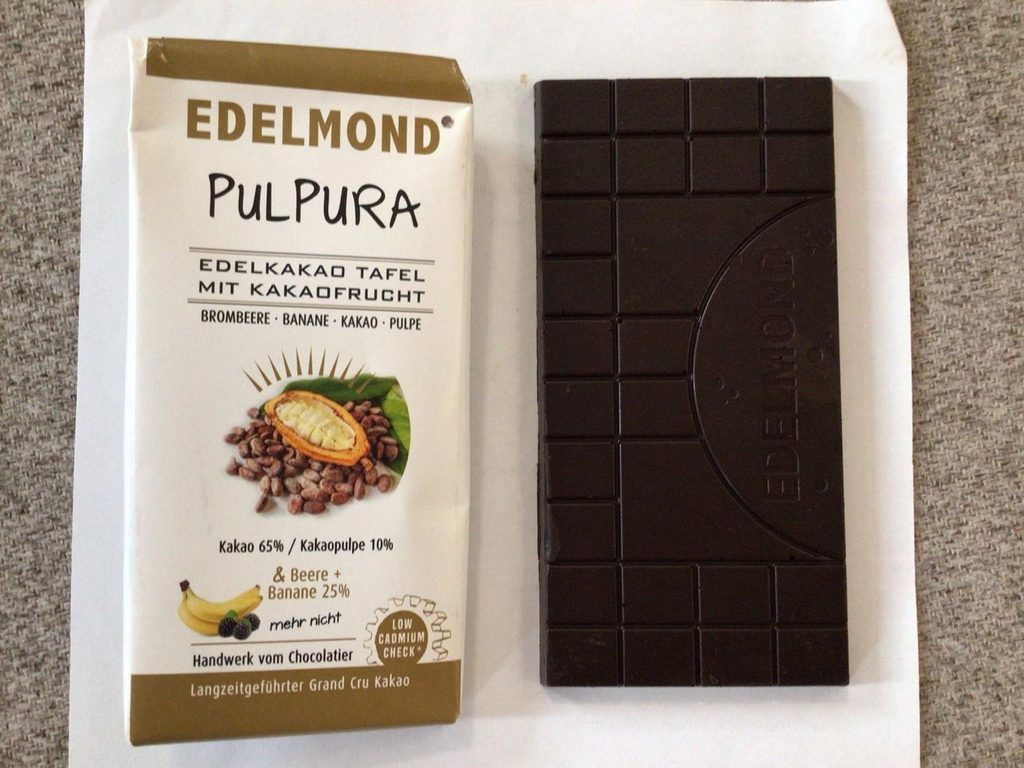
Edelmond Pulpura is unique because it uses the pulp of the cacao fruit instead of just the beans. The pulp is normally considered a waste product despite its inherent sweetness. This bar is 65% dark chocolate, 10% cacao pulp, and also has banana and berries.
We could taste the banana and berries, but the 65% chocolate felt like a much darker
chocolate. The influence of the pulp was undetectable.
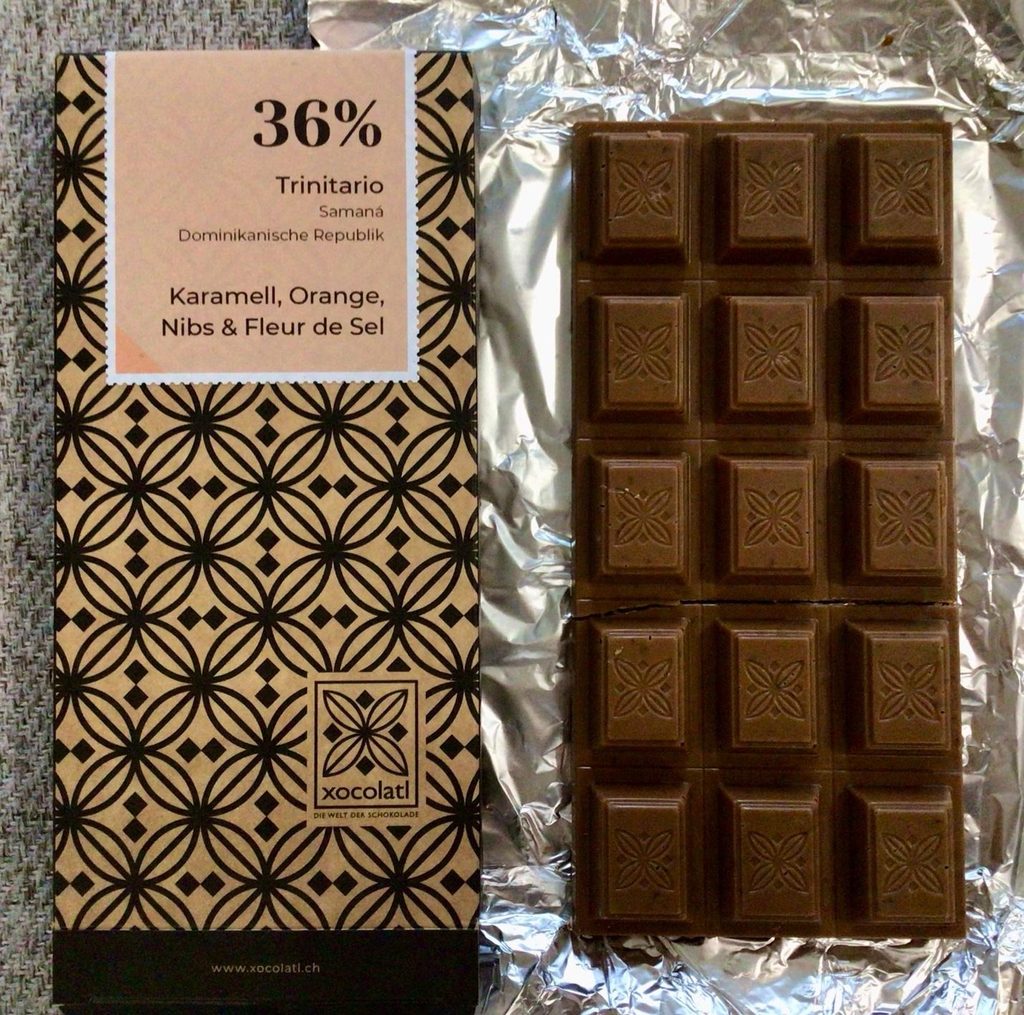
I could smell the luscious orange fragrance even before I bit into the bar! Trinitario by
Xocolatl is from cacao beans sourced from the Dominican Republic. The orange,
caramel, and salty notes are all distinguishable. And as a 36% chocolate instead of one
of the super-darks, it tastes sweet instead of bitter. Thus far, this one is our favorite of
the bunch.
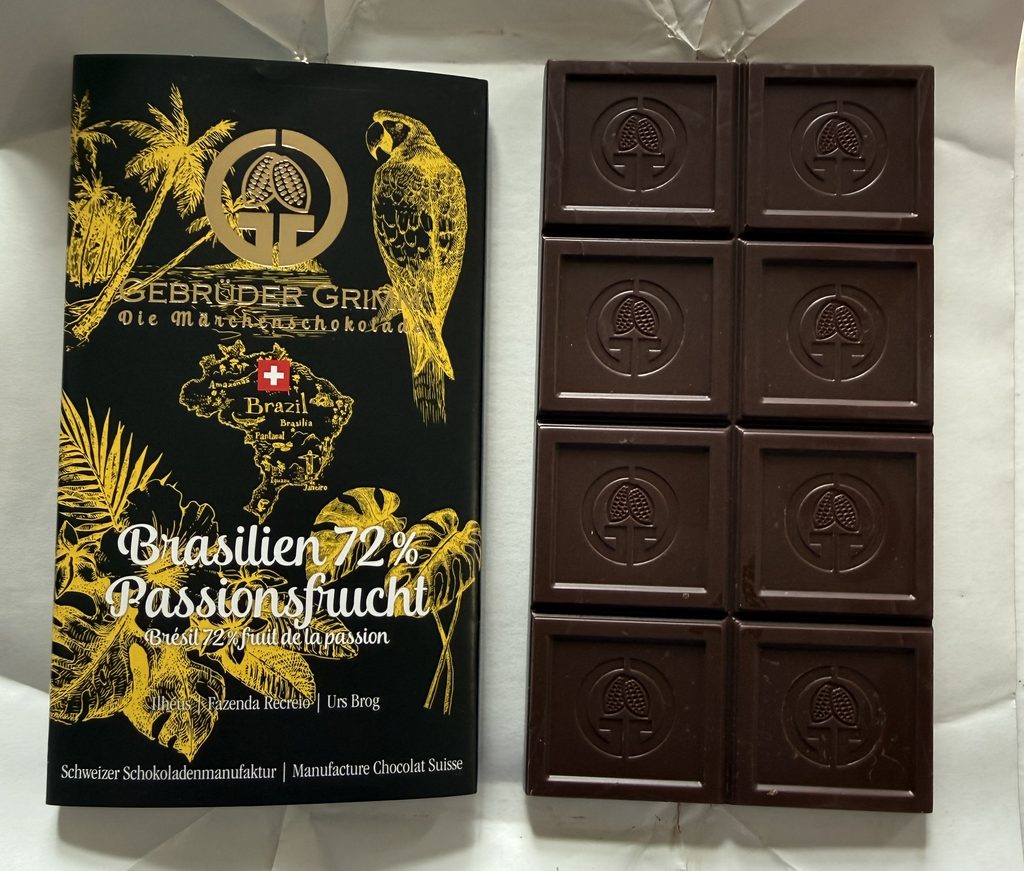
Since Rachelle gave away the Rapunzel bar to a classmate as a going-away present,
this chocolate bar by Gebruder Grimm is the last one we got to sample. Gebruder
Grimm has a fun story of its own. Real-life brothers Marc and Steve Grimm are Swiss
chocolatiers who decided to have fun with their own name and created a line of
chocolate bars named after Grimm’s fairy tales, such as the Rapunzel we didn’t get to
try. This particular bar isn’t named after a fairy tale, but It’s 72% chocolate sourced from
Brazil combined with passionfruit. We could taste the passionfruit in the bar. Although
the dark chocolate still had a note of bitterness, this was the most enjooyable of the
high-percentage chocolates we tried. We still liked the Trinitario best but this was a
close second.
Rapunzel, if we had gotten a taste, is described as blonde chocolate mixed with almond
brittle and a hint of alpine sea salt. I bet we would have enjoyed that!