

My daughter and I visited Belfast in August 2013. What we found was a sad, angry, very divided city. Huge “peace walls” separate the Catholic from the Protestant sections. There are memorials and murals on both sides of the wall attesting to the atrocities committed by the other side. The gates in the peace walls are shut at 3pm on Fridays and stay shut all weekend. “Why?” I asked. Because when people get liquored up for the weekend, there’s a high propensity for violence to occur. I noted that the Catholic side of the city seems prosperous and has most of the businesses; the Protestant side looks like a ghetto. (It was exactly the opposite a century ago. Of roughly 2,000 workers building the Titanic, only 12 were Catholic, and we were told they got only the dirtiest and most dangerous jobs). Other parts of Northern Ireland have recovered and are thriving, but Belfast is still in pain.
The best way to learn more about The Troubles as they affected Belfast is through a Black Cab Tour. There are several companies that offer this service. The tours run roughly 90 minutes and they’ll take you through the history of The Troubles, the city’s wall murals, the peace walls, and more. I was a bit nervous when the cabbie started the tour by asking me what my religion is, but apparently “Catholic” (I unknowingly booked a hotel on the Catholic side of the city) was a good answer. BlackCabsBelfast.com offers the tour for £65 for the first two people and £12 for each additional person.
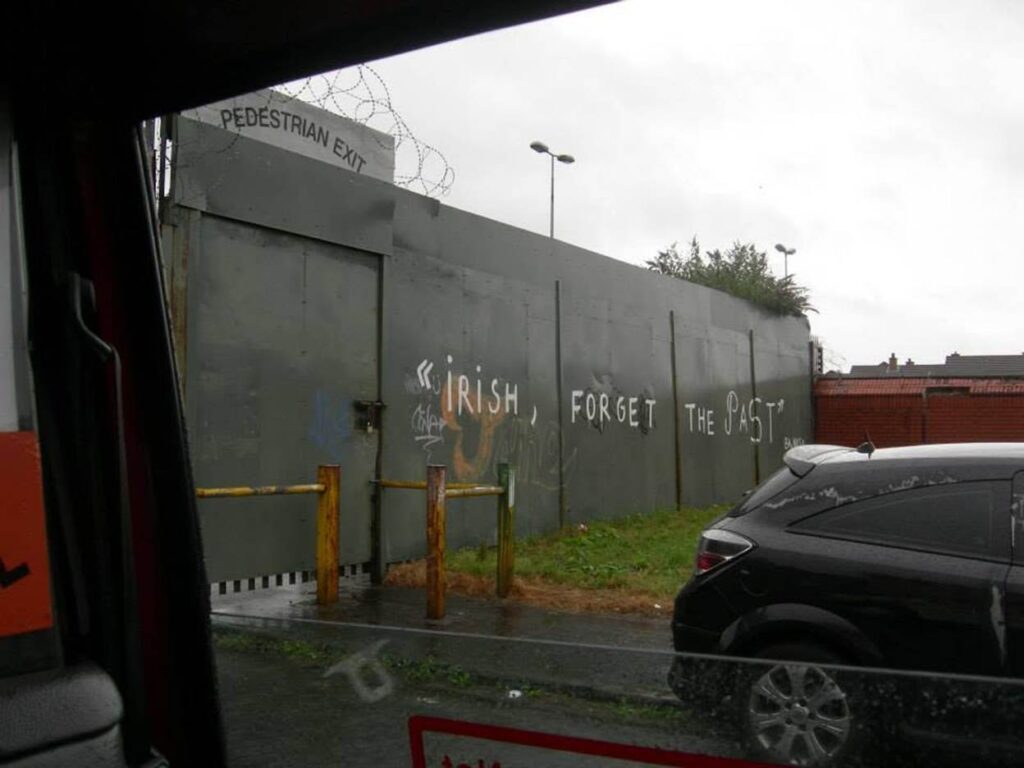
These are what the so-called “Peace Walls” look like. They divide the Protestant from the Catholic sector of the city.
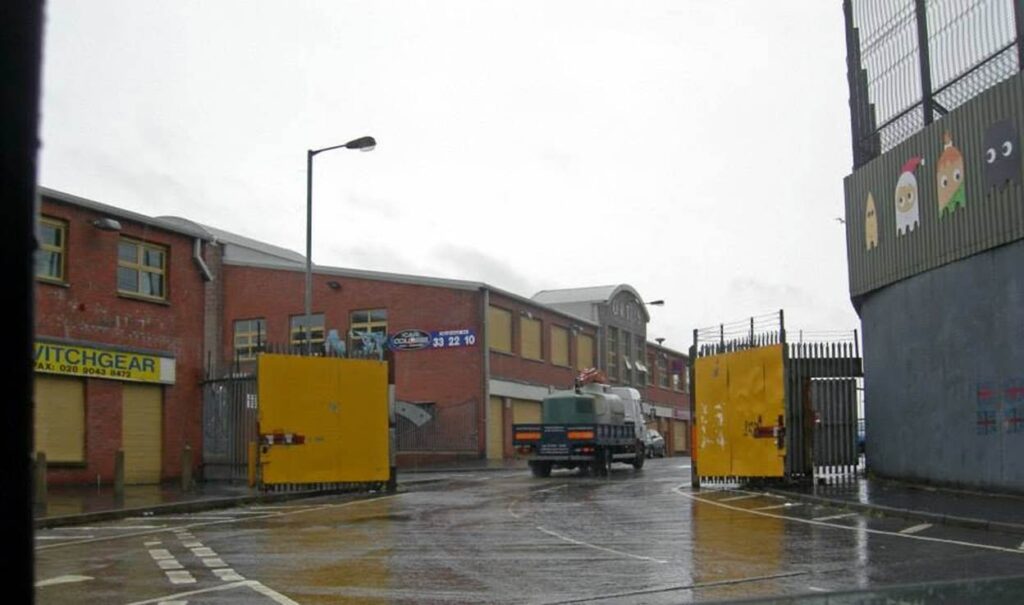
Here’s one of the few gates in the Peace Wall. They have to shut it on Friday afternoons and through the weekend, in fear that weekend drinking will cause violence.
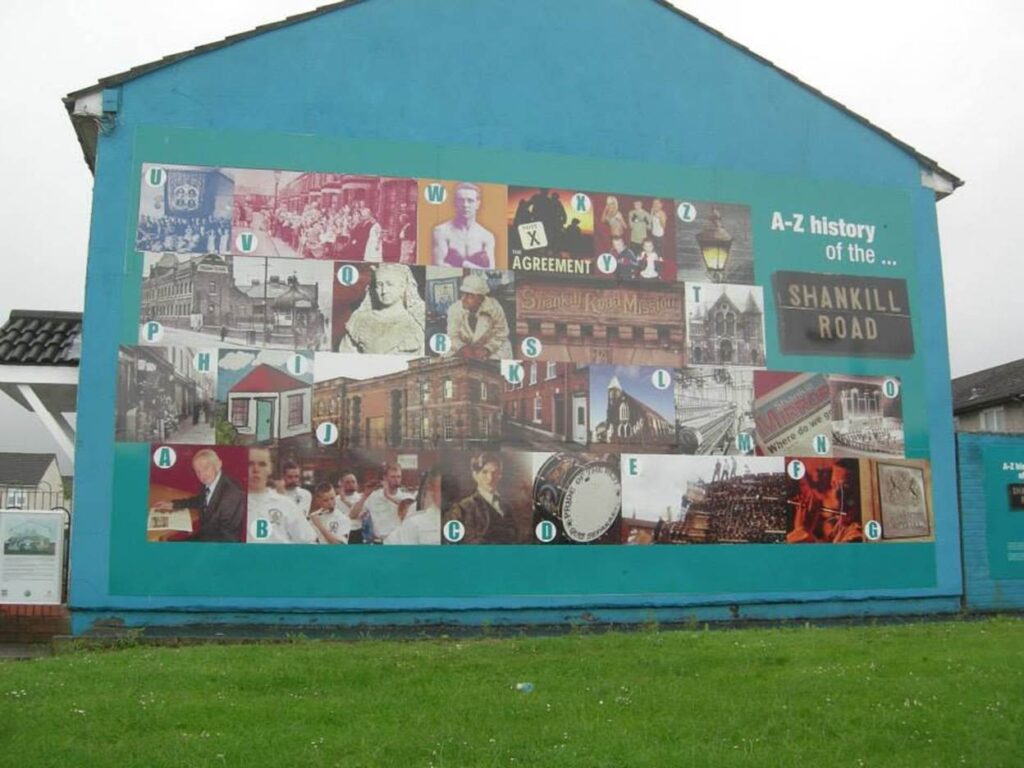
There are murals and memorials throughout both sectors. They memorialize too many people killed too young.
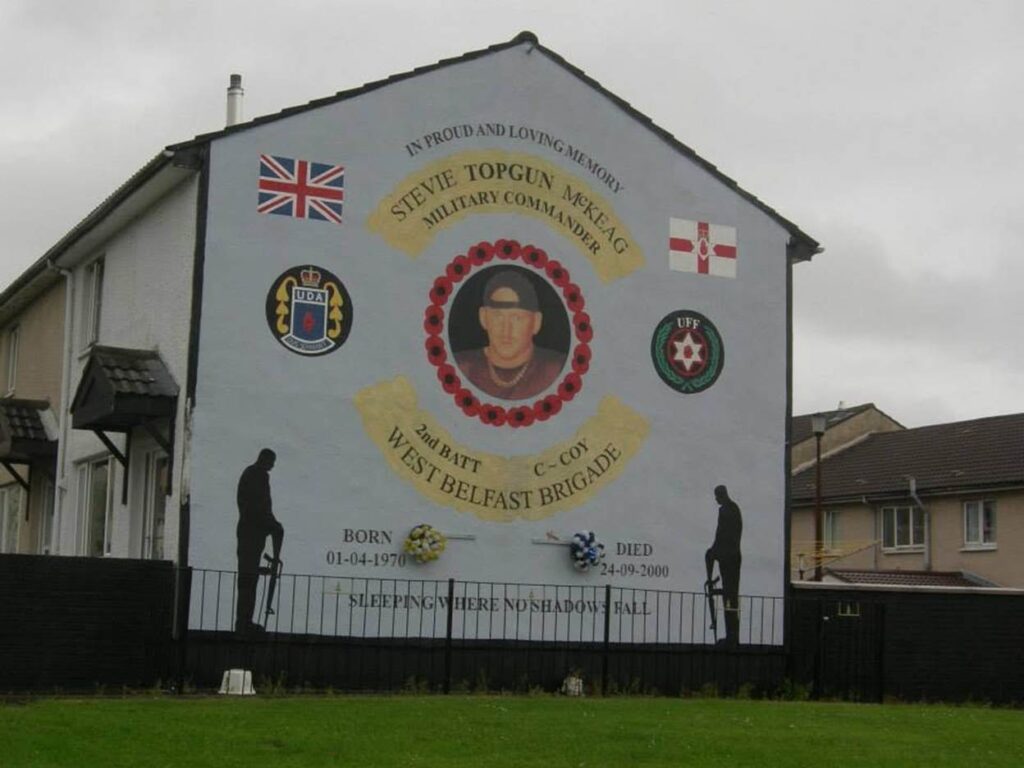
This photo was in the Protestant sector. Do you think you’d make friends with a Catholic if you saw murals like these every day?
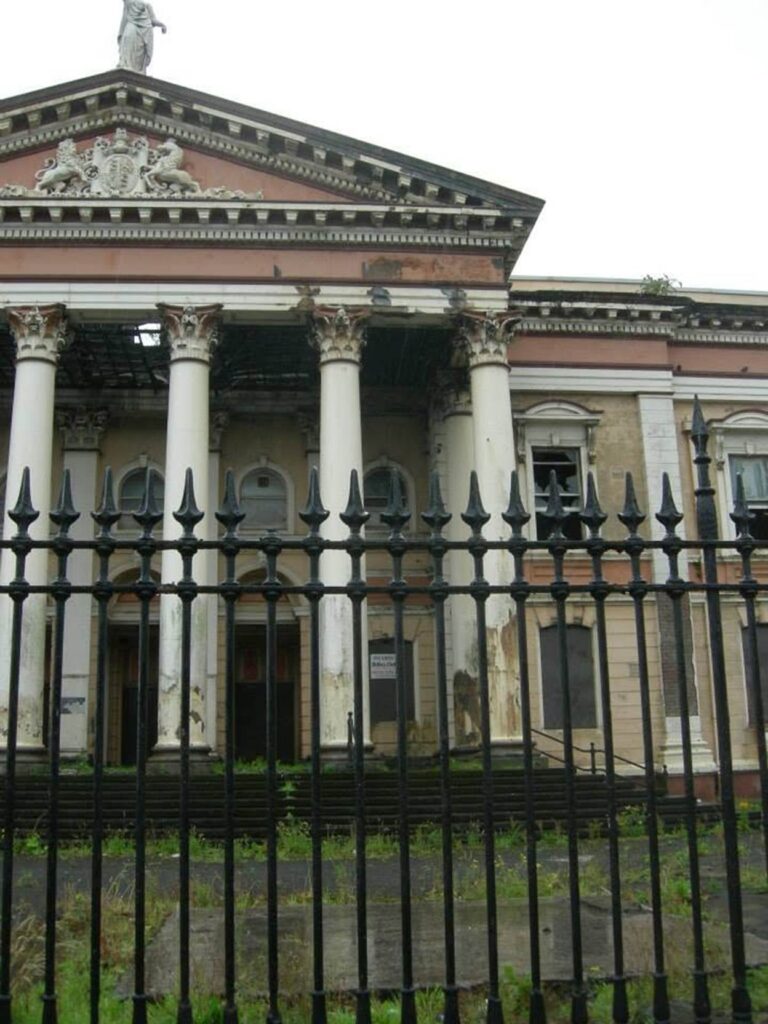
This once-lovely government building in the Protestant sector has been allowed to fall into ruins. City Hall is on the Catholic side.